


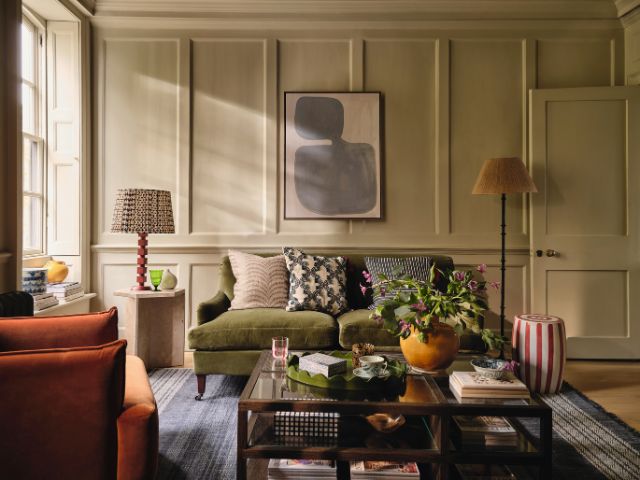
Image Credit: OKA
Micro-makeovers are the next big interiors trend: 12 mini updates to switch up your decor
There are certain times of the year when we look around our homes and get the urge to give the decor something of an overhaul.
The problem is refreshing your interiors isn’t always easy and doesn’t always come cheap.
Enter, then, the micro makeover, the interiors trend proving that small changes can have a surprisingly big impact.
According to Pinterest’s 2026 Spring Trend Report, micro makeovers are one of the biggest home trends of the year, reflecting a growing desire for affordable, low-effort updates rather than major, do the washing up in the bath, renovations.
The appeal is easy to understand.
With budgets stretched and many homeowners reluctant to embark on disruptive building projects, people are looking for simpler ways to do up their homes.
Rather than knocking down walls or replacing entire kitchens, micro makeovers focus on quick wins – a fresh new palette, updated lighting, new hardware, carefully styled shelving or introducing bold accessories.
Pinterest describes it as a shift towards ‘low-lift’ projects that allow homeowners to express their personality without the cost and hassle of a major renovation.
And according to interiors experts, these small design tweaks can completely transform the look and feel of a room.
“A micro makeover is the art of making small changes to your home, which can really level up your interiors, without having to lay out thousands of pounds on a renovation project,” explains Lorna McMahon, interior designer At The Macs.
“Often, when we buy a home, we want to put our own stamp on it, but the budget may not be there to completely transform it.
“Thankfully, there are lots of small yet impactful ways to make it feel personal, functional, and uniquely ours,.”
From creating a cosy reading corner to switching up your colour scheme, and adding decorative details, there are plenty of simple, budget-friendly ways to give your home a micro makeover, and breathe new life into it.
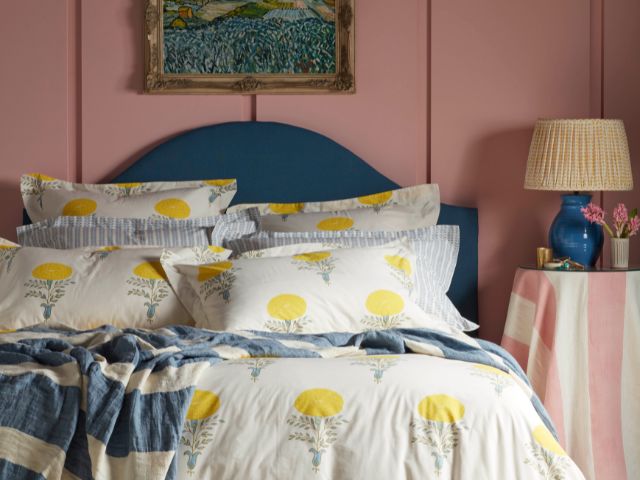
Mix up your paint techniques
While its tempting to simply slap a new colour on the walls, there’s a whole plethora of painting techniques that will completely transform the spaces in your home including colour drenching and colour capping.
“Colour Drenching is when you paint your walls, ceiling, and woodwork in a single hue,” Lorna explains.
“This creates a unified look that can enhance the overall feel of a room.”
If you’re new to drenching or a little unsure, Lorna recommends using neutral colours to open the space.
“This is especially beneficial in rooms with lower or vaulted ceilings, as it helps blur the lines between the walls and the ceiling,” she says.
“On the other hand, applying deeper tones can create a cosy, cocoon-like atmosphere and add a touch of drama.”
If you want to avoid fully colour-drenching the entire space, Lorna suggests painting just the walls and woodwork in the same colour and leaving the ceiling.
“This will add which a touch of sophistication to the room,” she adds.
It’s also important to vary the finishes used in the space.
“Using the same matte finish across all surfaces can cause the look to fall flat,” Lorna explains.
“I would recommend opting for eggshell or satin finishes on the woodwork, such as skirtings, doors, frames, and picture rails if you have them.
“This approach will create a subtle contrast and give the space a more elevated feel compared to using a single finish throughout.”
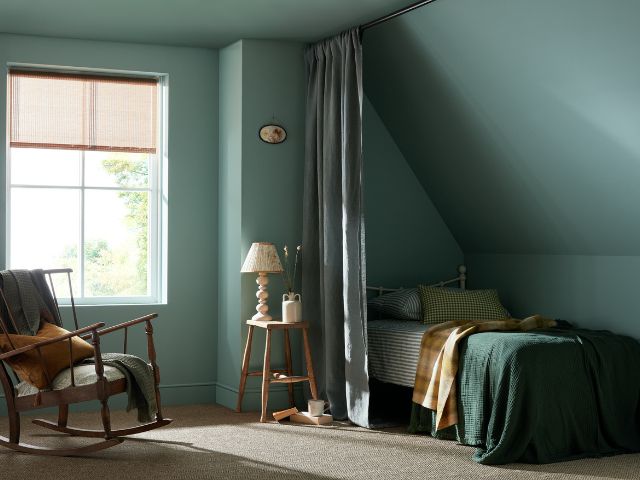
Colour Capping is a term coined by Benjamin Moore, and it basically involves painting your room in varying tones of a single colour.
“This is a sophisticated version of the monochromatic colour scheme, where you use tints, tones and shades of a single colour and apply it around the room,” Lorna explains.
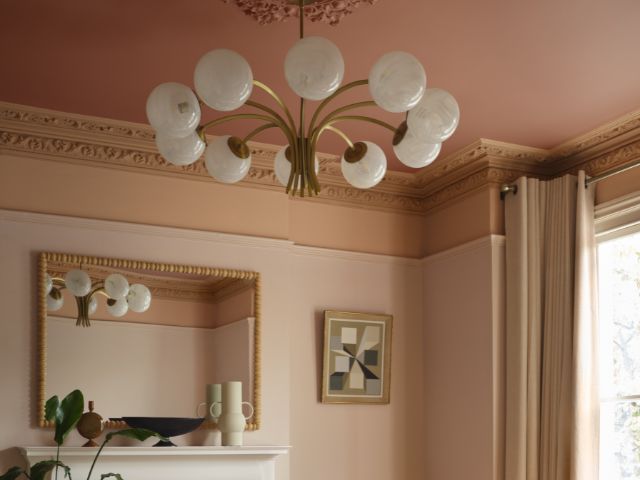
“With colour capping, you’re capping the ceiling in the deepest or most saturated colour and then using a lighter tone of the colour on the walls and maybe a mid-tone on the woodwork.
“Using tonal changes in this way creates a real harmonious scheme and highlights the decorative features in a room, and looks gorgeous when using plaster pinks.”
The key, according to Lorna, is to ensure there’s enough contrast between the shades that you pick.
“You want a contrast and for it not to look like the same colour in different light, so I would aim for at least two to three shades difference,” she adds.
Switch up your sockets and switches
Probably one of the most overlooked design details in the home, but Lorna says switching them out for a metal finish, such as brass, polished nickel or bronze adds a subtle layer of detail and is the perfect finishing touch.
“Don’t be afraid to mix your metals,” she adds.
“If you have a dominant metal finish in your home, use this as an opportunity to add some contrast; pairing brass with bronze is a lovely pairing.
“But try not to pair metals that are too close in colour, like gold and brass.”
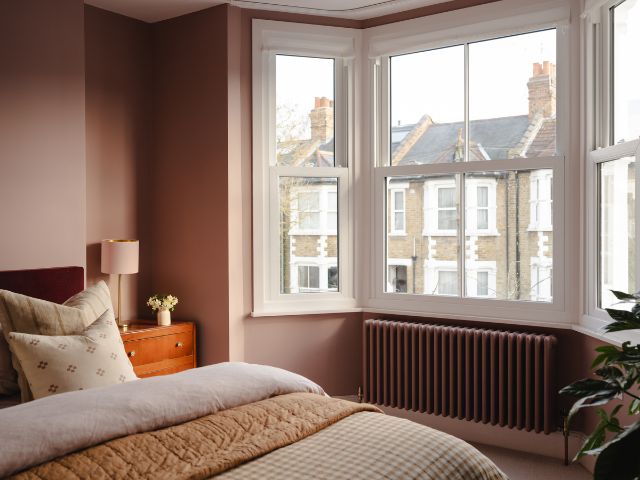
Disguise ugly radiators
Probably the most common frustration in the home, especially if you’ve inherited rather odd radiator placement.
If you can’t move or replace them, then before you run out and buy a bog-standard radiator cover, Lorna suggests looking at these options instead.
Painting the radiator: “Quick and budget-friendly painting the radiator the same colour as your walls is a really great way to disguise and blur that radiator into the room,” Lorna explains.
“Or you could go the other way and make a feature of the radiator by painting it in a contrasting colour to make it feel more considered and more in fiting in with your colour scheme.”
She also suggests avoiding paint the radiator pipes.
“Grab yourself some pipe covers in a nice metal finish to give that finishing touch,” she adds.
Consider a radiator console: “This is a great way to integrate the radiator within the room with a functional piece of furniture, and there are loads of different options available,” Lorna explains.
“Painting your radiator the same colour as your wall and then adding a console table is a great combination,” she adds.
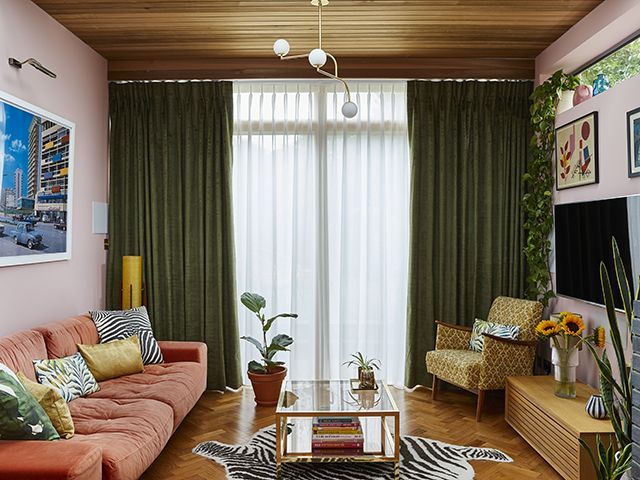
Ditch the eyelet curtains (sorry to those who have them!)
Eyelet curtains don’t have the same appeal as pleated curtains, and can often lack that tailored feel.
“Simply switching these out for a pleated curtain, like pencil, pinch pleats or wave, will instantly elevate the room,” Lorna says.
“These styles create uniform folds and drape nicely and glide smoothly on a track or pole.”
It is also possible to fake the look of pencil pleat curtains by using pleating hooks.
“These fab little tools gather the fabric so you can create your own pinch pleats or even create a wave effect,” she adds.
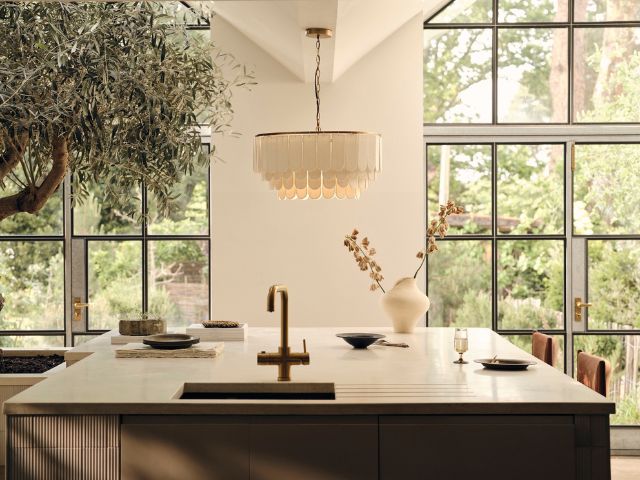
Treat lighting as a statement feature
Lighting can often be overlooked, despite it having such an important role to play in the home.
“When treated as a decorative piece, lighting can highlight and enhance architectural features or help to zone certain areas in the room, such as a dining table, a reading nook or a kitchen island,” explains Kris Manalo, head of design at Atkin and Thyme.
“This year in particular, we’re seeing a new, modern take on chandeliers, which hang as a centrepiece within the room.
“Blown glass, unique handcrafted shapes and cluster chandeliers are having a real moment.
“We’re also seeing plenty of vintage inspired designs with tinted glass and brass fittings, these products are especially effective in period or character properties.”
Choose a hero piece
Including a standout item will help consolidate any part of a micro makeover.
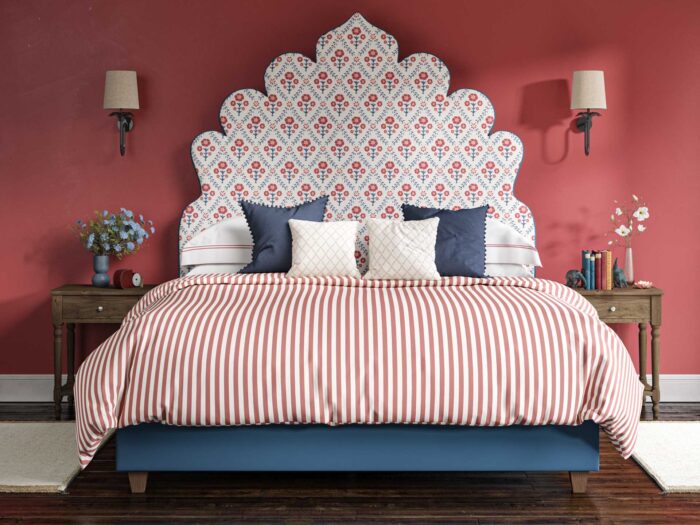
Whether it’s a statement sofa, bold headboard, or a painted cabinet, a hero piece will instantly anchor the space and draw the eye towards.
“This provides the room a clear focal point, which makes everything around the item feel more intentional, carefully curated, and styled,” explains Melissa Denham, Interior Design Expert from Hammonds Furniture.
“Just be sure to include a piece that feels intentional to that space, rather than an item that provides no real purpose or meaning.”
Make it look bespoke
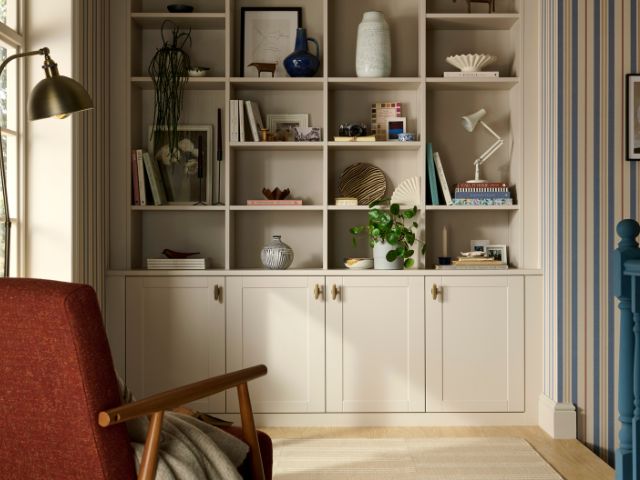
Creating a bespoke feel doesn’t have to mean a fully custom design or a huge project to undertake, as even the smallest touches can make a difference to the end result.
“Smaller projects such as utilising awkward spaces will add intent to your micro makeover, turning potentially wasted space into something useful,” explains Melissa.
“Adding a layer of paint, incorporating vertical storage space, and utilising every square inch of space will help curate a carefully thought-out, bespoke look.”
Layer texture for a more considered finish
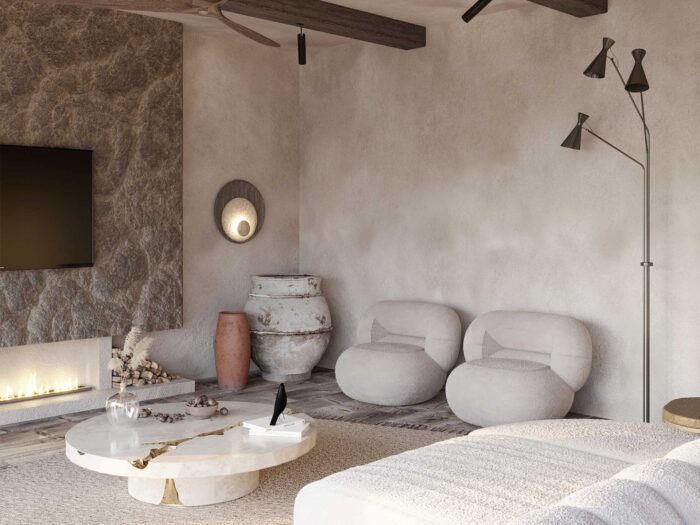
One of the simplest ways to elevate a room through a micro-makeover is by introducing layered textures.
“A space can feel flat without contrast, but by combining materials such as soft linens, bouclé upholstery, natural wood finishes and brushed metals, you add depth,” explains Melissa.
Simon Browne, product and trend expert, from Luxaflex says incorporating texture makes a space feel layered and inviting.
“Combining different materials, whether that’s woven fabrics, wood finishes or soft furnishings, stops a room from feeling flat, especially if you’re working with a neutral palette.”
Go bold with accent pieces
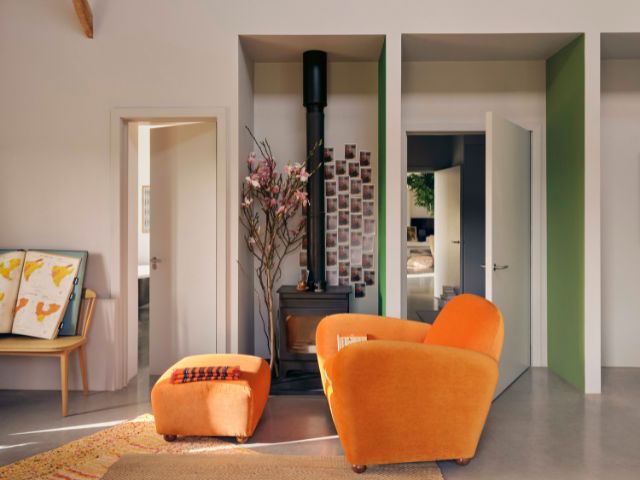
Accent pieces are where a micro makeover can really make an impact.
Whether it’s a statement armchair or oversized artwork, these smaller interventions can completely re-energise a space.
The key, according to Melissa, is to be intentional.
“Choose pieces that contrast or complement your existing palette rather than overwhelm it,” she advises.
“For example, a striking occasional chair or sculptural lamp can add character against the clean lines of panelling or shelving, making the overall scheme feel curated rather than purely functional.”
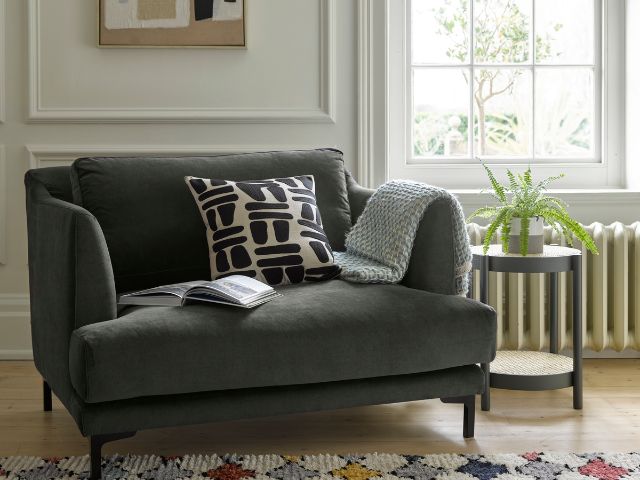
Curate ‘everyday ritual’ spaces
Making over your home is also about enhancing how you live in it day-to-day.
And as such, we’re seeing growing interest in creating ‘ritual spaces’.
These are small, dedicated areas for activities like reading, journalling or enjoying a morning coffee.
“These don’t require extra square footage, just thoughtful design.
“A window seat, a styled corner with a comfortable chair, or even a built-in nook integrated into fitted furniture can transform an underused area into something meaningful.
“Incorporating clever storage within these spaces, such as shelving for books or concealed compartments, ensures they look great and remain practical, supporting everyday routines without adding clutter,” she adds.
Rethink your layout
One of the simplest yet most transformative changes you can make is switching up your furniture layout.
“By repositioning key pieces, you can completely alter how a room feels and functions, whether that’s improving the flow of movement, maximising natural light, or creating more inviting, sociable spaces,” Kate Palmer, creative director at The Painted Furniture Company, explains.
“Start by identifying the focal point of the room, a fireplace, a window, or a statement piece of furniture, and arrange everything else around it.
“Don’t be afraid to pull furniture away from the walls to create a more intimate look, or to repurpose pieces in different rooms to give them a new lease of life.”
Get ‘soft’
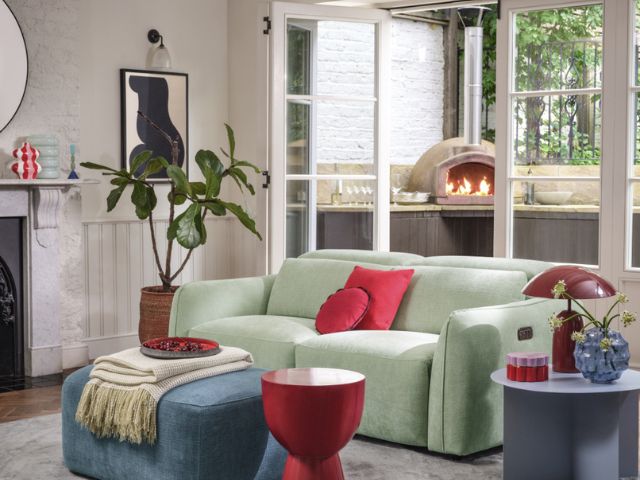
Often, it’s not the big-ticket items, but the ‘soft’ elements like flattened cushions, tired throws, over-trend prints, or bedding that’s lost its structure, that make a room feel past its best.
“One of the biggest mistakes we see is holding onto micro-trends long after their moment has passed,” explains Debbie Leigh, design manager, from ILIV.
“Highly specific colour combinations or novelty motifs can quickly feel tired.
“Instead, opt for timeless foundations with natural textures such as linen blends, classic stripes, subtle florals, and heritage-inspired patterns that evolve beautifully with the seasons.”
According to Debbie, cushions are one of the simplest and most affordable updates. “Swap out flat, overfilled or mismatched pads for well-structured inserts and covers in layered tones,” she advises.
“Mixing textures instantly adds depth and polish without a full redesign, for example pairing soft weaves with embroidered or printed fabrics.”
Want more inspiration? Read: Devil Wears Prada interiors: 12 ways to channel Miranda Priestly at home or Why Rivals interiors are the nostalgic decor trend we didn’t see coming. And check out All set for a Kennedy summer? 12 ways to get the Love Story look in your interiors
READ MORE: