


Image Credit: H&M Home
12 interior designer tricks to make your decor look more expensive
When it comes to home decor you might think that how much you spend is directly related to how expensive it all looks.
But believe it or not there is an art to making a home feel luxurious, and it doesn’t always depend on big budgets and grand plans.
Interior experts understand that a space can look expensive not because of the pounds forked out or the work undertaken, but because of how thoughtfully each element has been considered.
The key lies in the details. The right colour palette, a thoughtfully put together display and some well-chosen art can transform the mood of a room entirely.
“More than ever, people want their homes to feel considered and elevated, but without embarking on a full renovation,” explains Kunal Trehan, interior designer and founder of Touched Interiors.
“I see homeowners constantly chasing that ‘designer’ feel for spaces that look calm, confident and expensive rather than trend-led or overdone.
“The good news is that many of the details that interior designers rely on don’t have to cost a fortune; it’s often about proportion, placement and restraint rather than spending more.”
Whether you’re working with a small city flat or a loved and lived-in family house, a handful of design-led tweaks can make all the difference to your decor.
From curtains taken right up to the ceiling, to carefully curated colour schemes, use of texture and statement lighting, clever yet thrifty tricks can subtly elevate the everyday.
“Expensive-looking interiors aren’t about how much you spend, they’re about confidence, proportion and editing,” Kunal continues.
“Plus knowing what to leave out is just as important as knowing what to add in.”
Read on to find our expert-backed tips to making your home feel more luxurious with a little effort and not a lot of budget.
Hang your curtains right
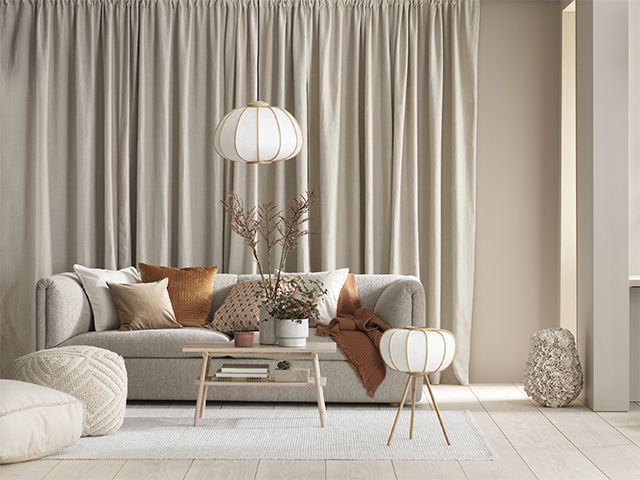
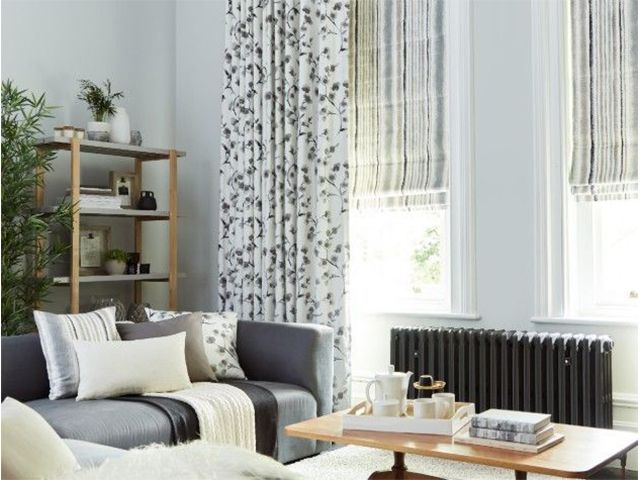
Hanging curtains as close to the ceiling as possible is a classic interior designer trick that instantly elevates a room.
“Designers almost never hang curtains directly above the window frame, as it visually shortens the room,” explains Kunal.
“Taking curtains as close to the ceiling as possible draws the eye upwards and creates a sense of grandeur, which instantly makes a room feel taller and more architectural, even in modest spaces.”
Johanna Constantinou from Tapi Carpets & Floors says having curtains which just kiss the floor or pool slightly is a simple change to make but incredibly effective in making a room look more elegant.
“With curtains, a good quality set with the full length will create a strong impression on the entire room,” she adds.
Kunal also suggests rethinking how curtains are hung.
“Wave headings or pinch pleats in a beautiful fabric will always read more luxurious than eyelets,” he explains.
“It’s a subtle detail, but the way fabric falls and moves plays a huge role in how refined a space feels.”
Use symmetry in your layout
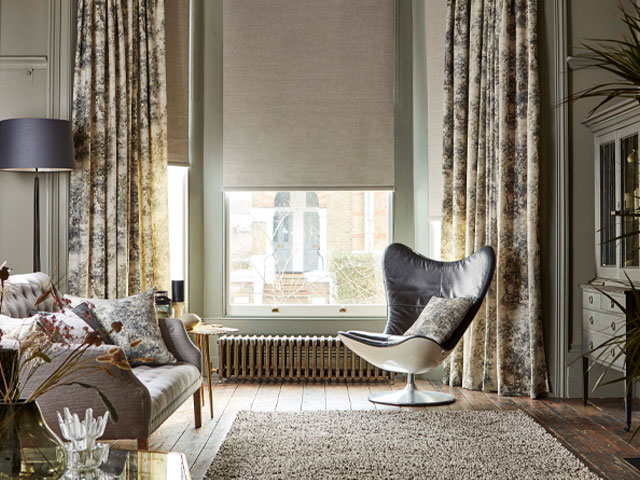
According to Kunal symmetry creates calm.
“Matching lamps, balanced seating or evenly spaced furniture arrangements help a room feel intentional and well resolved,” he explains.
“Even if the architecture isn’t perfectly symmetrical, introducing balance where you can makes a space feel far more expensive.”
Go big on lighting
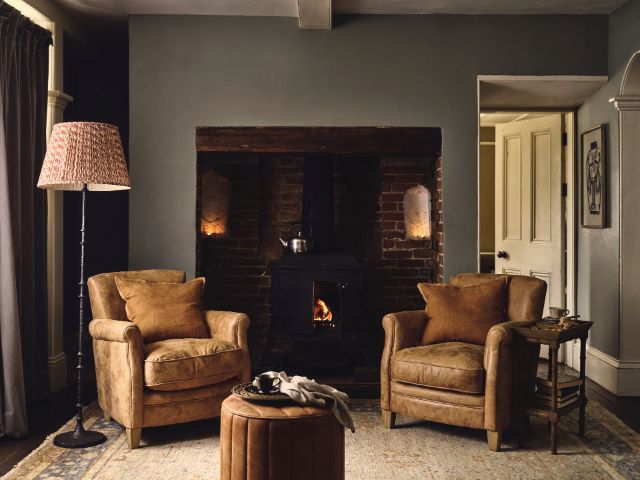
If there’s one element that quietly sets the tone for an expensive-looking interior, it’s well-considered lighting.
The big light rarely does a room any favours, so designers tend to layer their schemes with pieces that are decorative as well as practical.
Good lighting doesn’t just illuminate; it adds atmosphere and depth, and, used thoughtfully, it can highlight architectural details, soften corners and create a sense of warmth that instantly elevates a space.
“A little trick of mine is not to just rely on one lamp to light the room,” adds Chloe Dacosta, design manager at Blinds2go and Curtains2go.
“Layer table and floor lamps and wall lighting to mimic the layered lighting schemes often found in the most high-end hotels and homes.”
Warm, dimmable bulbs are another non-negotiable, enabling you to shift the mood throughout the day and avoid the dull, unforgiving glow that can quickly bring down an otherwise polished interior.
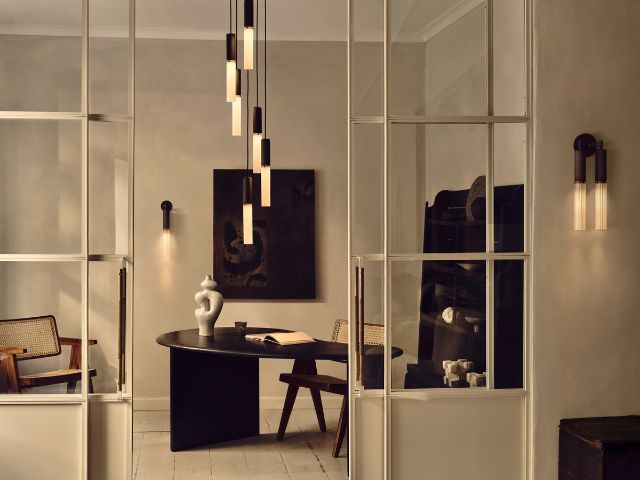
Switch up your artwork
Artwork is one of the simplest ways to give a room an instant lift and a sense of sophistication.
A carefully chosen piece, whether bold, abstract, or quietly elegant, adds personality, anchors the space, and makes even modest interiors feel more high-end.
While the art you display doesn’t need to be expensive, Kunal says it does need breathing space.
“Oversized pieces or considered groupings with generous margins instantly feel more gallery-like,” he advises.
“Avoid scattering small frames randomly, that’s one of the quickest ways a room can feel cluttered rather than curated.”
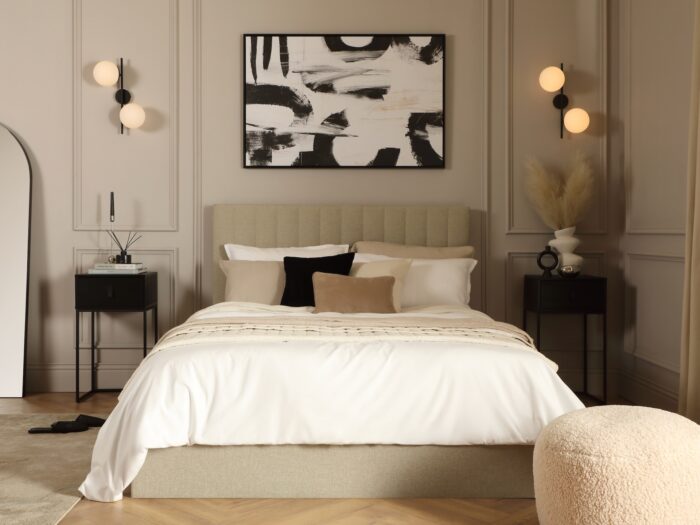
Layer in texture, not more colour
Layering different textures is a simple way to make a space feel more sophisticated.
Mixing natural materials like linen, wool, rattan, and wood adds warmth and tactile interest, while combining them with polished accents, such as marble or metal, creates a high-end look on a Haribo budget.
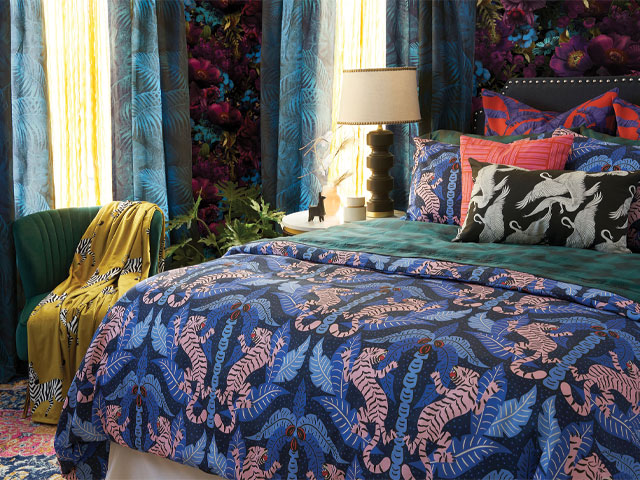
Texture is what gives a room depth. Bouclé, velvet, linen, timber, stone – layering different finishes within a restrained palette adds richness without visual noise.
This is one of the most common tricks designers use to make neutral spaces feel luxurious.
“From cosy living rooms to snuggly bedrooms, cleverly layered textiles not only create a cohesive look but help to create a feeling of luxury,” advises Debbie Leigh, design manager at ILIV.
“Soft furnishing have a significant impact on the overall feel of a room and are worth investing in,” she explains.
“Layer plains and patterns carefully; when using bold patterns on upholstery it is best to keep the cushions plain or go for a plain fabric for the upholstery and experiment with a mixture of colours and patterns on scatter cushions.”
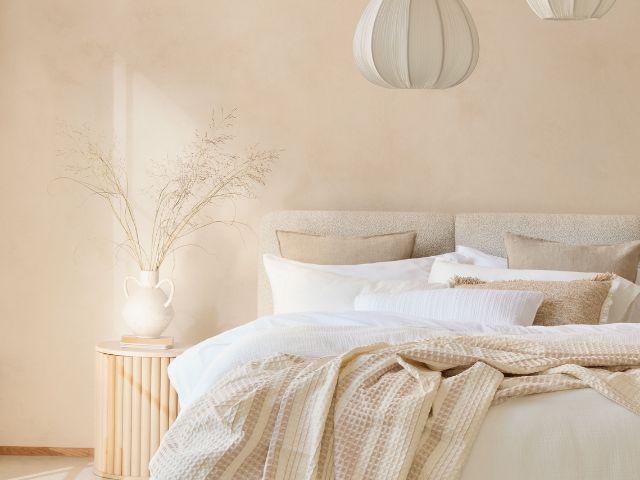
Style coffee tables and shelves with intention
Curating your coffee tables and shelves is an easy way to make a home appear more polished.
Instead of cluttering surfaces, group a few favourite objects, a collection of bud vases, a framed print, and a small tray of trinkets, and layer them thoughtfully.
Varying height, texture, and scale creates visual interest, making your displays feel more curated.
“Less is always more,” adds Kunal.
“Designers tend to style in odd numbers, vary heights, and leave negative space.
“A stack of books, one sculptural object and something natural like a plant will always look more expensive than shelves packed edge to edge.”
When thinking about decorations, Chloe says it is also better to select a few larger statement pieces than lots of small, cluttered accessories.
“Statement vases, oversized bowls, or substantial lamps are commonplace in high-end luxury homes and often feel calmer and more intentional,” she explains.
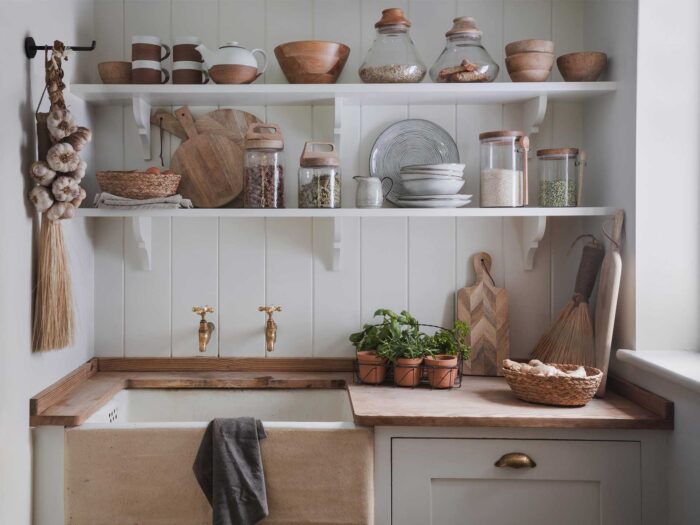
Get upcycling
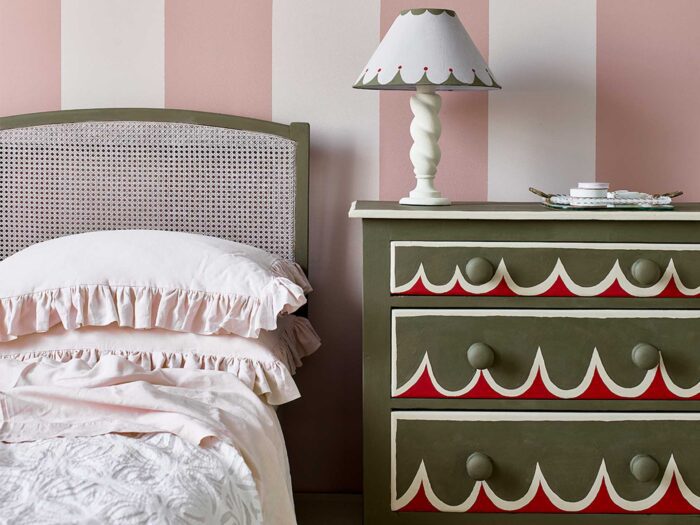
According to Johanna upcycling is one of the easiest ways to introduce character into a home without spending heavily.
“Visiting charity shops or vintage stores to source ornate accessories, mirrors or ceramics allows you to build a collection of pieces that feel unique and personal,” she explains.
“These one-off items add depth and story to a space, and gives your home character.”
Rework existing pieces
Moving items from other rooms is an easy way to make a home feel more expensive and considered.
“Repurposing furniture, lighting or decorative pieces not only saves on the cost of buying new, but also helps create a more layered, curated look,” Johanna advises.
“Introducing an unexpected piece into a different space can break up predictable layouts, add visual interest, and make interiors feel more personal and design-led.
“It’s a simple way to refresh a room using what you already own, while giving the home a sense of intention and quiet luxury.”
Move away from matchy, matchy
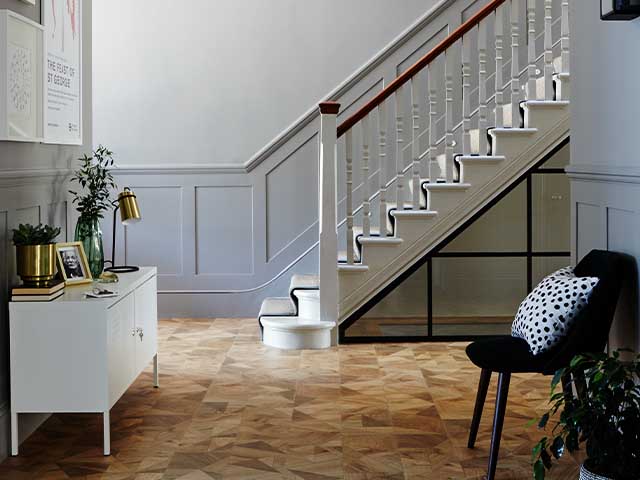
While many people default to buying a full matching furniture set, a dresser, wardrobe and bedside tables all in the same finish, Johanna says this can often make a room feel flat or overly formulaic.
“Choosing pieces that complement one another, rather than match exactly, creates a more considered, curated space that reflects your personal taste and feels far more authentic,” she explains.
Go big on flowers
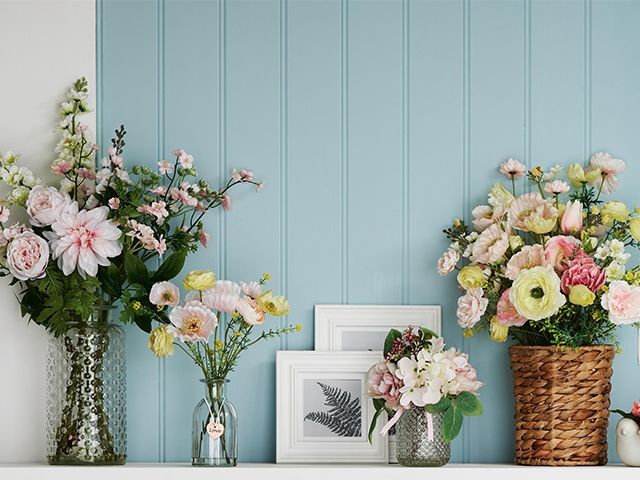
One of the simplest tricks interior designers use to make a space look luxe is introducing beautiful flowers or statement plants.
“When you walk into a home, nothing catches the eye like a thoughtfully styled bouquet,” explains Lucy Hook, floral lead at Bloom & Wild.
“Flowers add softness, colour and texture to your home.
“For that ‘expensive’ feel, I’d suggest bouquets that include velvety roses, delicate cala lilies or lisianthus.
“These will instantly give a room an ethereal, high-end feel,” she suggests.
“Arrangements that pair blush-tones with fuller flowers and more delicate textures look thoughtfully put together and create that effortless, ‘styled not staged’ look that designers love.”
A great rule of thumb, according to Lucy, is to choose bouquets inspired by the season.
“Seasonal flowers tend to look fresher, more natural and more luxurious, giving your home an instant refresh without it feeling overdone,” she explains.
“It’s a small change, but it can completely transform how a space feels.”
Rethink your layout
A common living room design mistake is pushing all the furniture up against the walls in an attempt to make the space feel bigger.
“While it might seem like the logical thing to do, it can actually have the opposite effect, leaving the room feeling a little empty and disconnected,” advises Kate Palmer, creative director, The Painted Furniture Company.
Instead, she suggests thinking about how you use the space day to day.
“Create cosy zones that encourage conversation and relaxation, perhaps by positioning your seating around a central coffee table or fireplace.”
Making sure there’s a natural flow through the room, with enough space to move comfortably between furniture pieces is important too.
“Bringing furniture inwards and creating more intimate groupings helps define the space and encourages conversation and connection.
“It also gives the room a more considered, welcoming feel.
“Even just pulling a sofa slightly away from the wall or anchoring the layout with a rug can make a huge difference.”
Don’t overlook the finishing touches
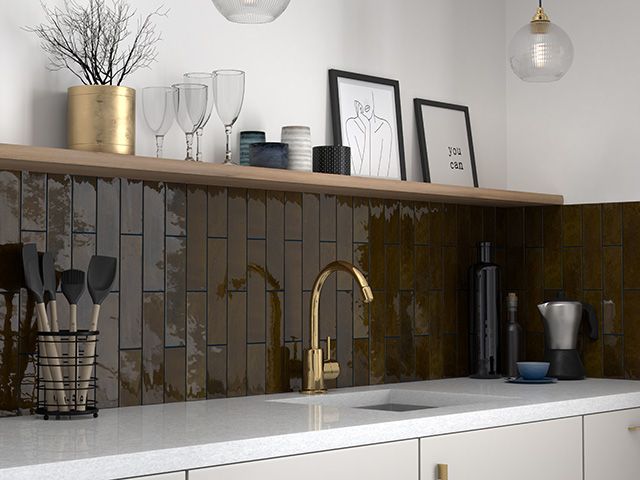
Upgrading your finishing touches, such as cabinet handles, light switches, and door knobs can have a profound effect.
“Especially when you consider coherence between your rooms,” adds Chloe.
“These are the details people interact with every day, and higher-quality finishes subconsciously signal craftsmanship and luxury.”
Want more inspiration? Read: Heritage maximalism and 7 other interior trends set to dominate 2026 or Swag gap interiors: 9 ways to embrace the trend
READ MORE: