




Image Credit: Purlfrost Window Film
TikTok says we should all be ‘burping’ our homes – but what is it and how can it prevent mould?
Have you ever noticed how, particularly at this time of year, our homes feel a little stale?
With the central heating cranked up to the cosy and doors and windows sealed shut our homes tend to keep everything from cooking smells to last night’s bath steam trapped inside.
The result? Condensation on the windows, musty corners, and that familiar winter fug that makes your home feel somewhat stuffy. It could be, therefore, that your home needs a good burping.
In Germany, they have a wonderfully sensible habit called lüften, which derives from the word Luft, meaning ‘air’, and roughly translates to ‘airing out’.
Yep, even in the depths of winter our European cousins fling their windows wide for a few minutes each day, letting stale air escape and fresh air flow in.
This mould-busting habit is so ingrained in everyday life that many renters are formally instructed on how to do it properly.
TikTok has certainly taken the ‘home burping’ idea on board, with one creator’s video about the practice pulling in more than 5 million views.
TikTok user went viral and sparking a wave of people trying it themselves.
It may sound counterintuitive in chilly times, but these quick blasts of fresh air don’t actually make your home colder or send heating bills soaring.
In fact, they can help your house warm up more efficiently by reducing excess moisture, while keeping mould and musty smells firmly under control. Win, win.
With energy costs high and healthy homes more important than ever, borrowing a few German habits might just be the smartest thing you do all winter.
But what does lüften actually involve – and how can you refresh the air indoors without dramatically cooling down your house in the icy winter months?
What is lüften and why do we need it?
Turns out the air inside our homes is quietly working against us. Invisible pollutants build up throughout the day, steadily lowering air quality, and it’s not just caused by cooking mishaps or overenthusiastic cleaning sprays.
According to Germany’s Federal Ministry for the Environment, Climate Action, Nature Conservation and Nuclear Safety, simply living in a space is enough to pollute the air.
“Indoor air pollution is caused by the mere presence of people, who consume oxygen, exhale carbon dioxide and emit body odours,” the government writes on their website.
Add to that the moisture produced by cooking, washing and showering, along with damp lingering in walls and soft furnishings, and you have the perfect conditions for condensation and mould, both of which are linked to a range of health issues.
This is where lüften comes in.
By giving your home regular, intentional ‘burps’, stale, moisture-laden air is flushed out and replaced with fresh air from outside, helping your rooms feel cleaner, drier and healthier in minutes.
“House burping is the modern term for an age-old habit: cracking open windows for 10-15 minutes a day to let fresh air sweep through the home,” explains Steven Dempsey, interior stylist at Shutterly Fabulous.
“Airing out your home offers ample benefits, particularly in the colder months,” Steven continues.
“A quick burst of fresh air helps reduce moisture levels, preventing condensation from settling and stopping mould.
“It’s especially effective in high-humidity rooms such as bathrooms and kitchens and can be a game-changer for homes without extractor fans.”
Flinging open your windows for 10-15 minutes a day also has benefits for your sleep.
According to Lisa Artis, deputy CEO at Simba’s charity partner, The Sleep Charity, airing out the bedroom with an open window, even during the coldest winter nights, has been shown to improve the quality of your shut eye.
“By lowering the room temperature, which is often higher at this time of year due to central heating, you’re creating the ideal sleep-inducing conditions,” she explains.
“Sleep is preceded by a drop in core body temperature and a cooler room encourages this process.
“You can ventilate the bedroom as part of your wind-down routine, simply by opening the windows wide and closing the bedroom door to trap the cold air before you hit the sack.
“Use a hot water bottle or extra blankets to ensure you’re still nice and toasty once you’re in bed.”
The added bonus is this practice, according to Lisa, is that it will also reduce the level of CO2 in the room, which will otherwise accumulate overnight just from the process of exhalation.
“High CO2 levels also impact sleep quality by making us feel groggier and less refreshed in the morning,” she adds.
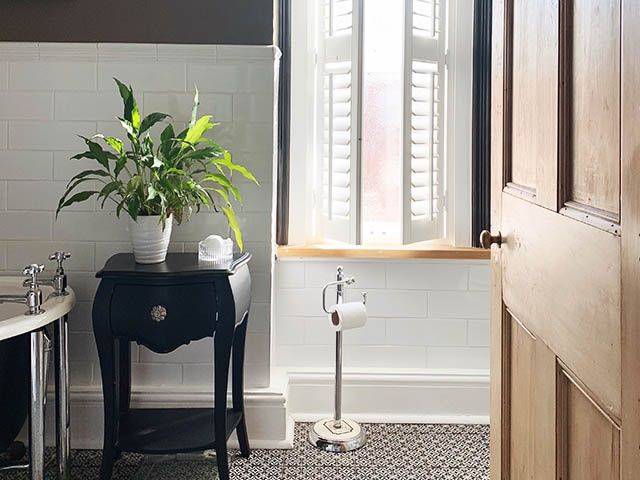
How to ‘burp’ your home
German guidance recommends opening all the windows in a room – or ideally the entire home – at the same time to create a strong cross-draught.
“If it is cool and dry outside, opening a window helps release dangerous spores and mycotoxin buildup, especially around surfaces such as window panes where mould expands quickly,” explains Miroslav Radov, owner of Rainbow Rubbish Removals.
“Whilst it may be too cold to have all the windows open constantly, try opening windows on opposite sides of your home for at least 10 minutes every morning to allow moisture to be taken out of your home,” he continues.
“If your windows have trickle vents, you should aim to leave them open year-round.”
However, according to Steven, one simple mistake could lessen the positive benefits of ‘burping’.
“Make sure to open your shutters and blinds fully during your daily house burp,” he says.
“If they stay closed, cold air can become trapped between the window and the blind, increasing the risk of condensation.”
Steven recommends opening both the window and the blinds to allow proper airflow and help reduce moisture build-up around the glass.
“When done correctly, a daily house burp is an easy way to improve your home’s air quality.
“A burst of ventilation pushes out the stale indoor air and replaces it with fresh outdoor air, helping to reduce pollutants and allergens.
“It also naturally removes lingering odours, leaving your home feeling cleaner and smelling fresher – without relying on fragranced products.”

Other ways to reduce mould and keep your home fresh
‘Burping’ isn’t the only way to freshen the air quality at home, experts say a few simple tricks can help reduce mould and improve the air quality at home. Oh, and it could help lower your bills too.
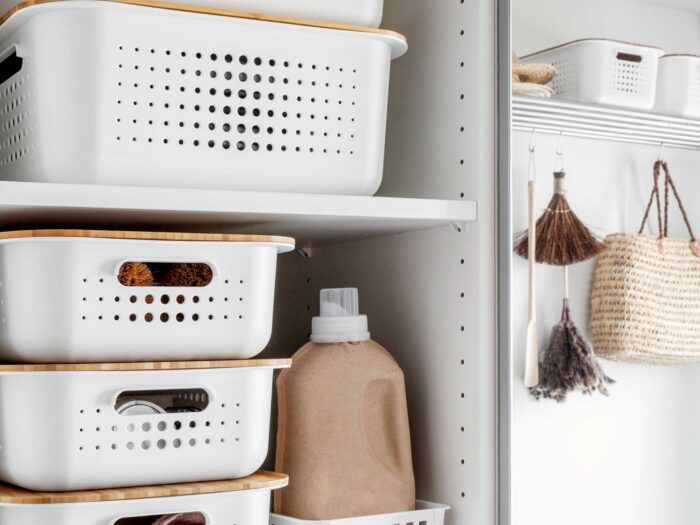
Get decluttering
Decluttering can help prevent issues such as dust, mould and mildew – all of which can be hidden underneath piles of stuff.
“Now is the perfect time to reconsider those larger items that never get used,” advises Miroslav.
“Letting go of the old can help freshen up your space and prevent moisture build-up.”
Ensuring you live in an organised, clean space will promote quality airflow and reduce humidity levels as the removed items will encourage air to circulate freely, keep surfaces dry and reduce trapped moisture, minimising the conditions mould needs to grow.
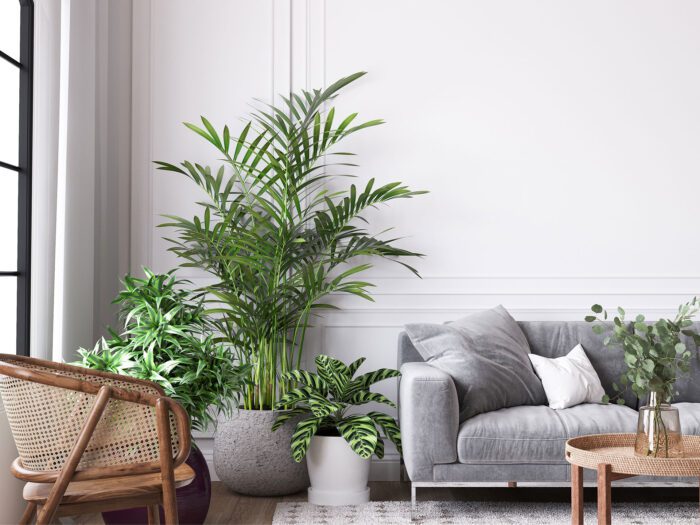
Keep an eye on plants
Overwatering or poor drainage in plant pots can lead to a build up of water in the soil creating a damp environment for mould to grow.
“To prevent the risk of mould, using plant pots with drainage holes and placing saucers beneath to catch excess water is a great way to prevent rotting plants,” Miroslav suggests.
“Remember to also regularly inspect and remove any dead elements to control moisture levels and reduce potential for mould growth.”
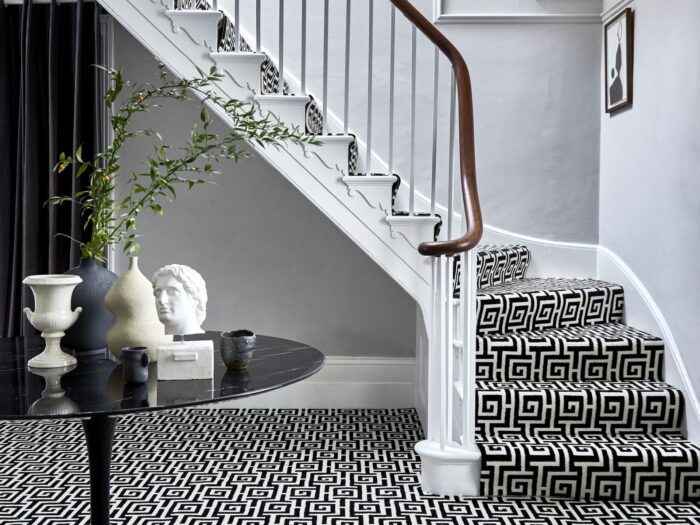
Clean your carpets
Rooms without hard wood floors are often affected by mould the most, with dust mites, dirt, hair and fungus all potentially setting up home in your carpet.
“These can aggravate breathing conditions, whilst causing bad smells to run through your home and lower the air quality,” explains Miroslav.
Whether your entire home is carpeted, or only certain rooms, Miroslav recommends cleaning them regularly and keeping the space well-ventilated to bring humidity down.
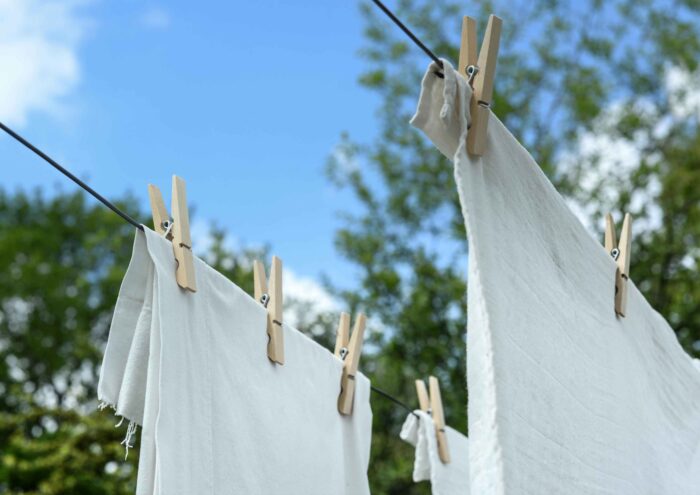
Dry clothes outside
Although it may seem the easier option, drying clothes on radiators can create condensation and prevent your heating system from working efficiently.
“One load of washing can hold over two litres of moisture which will soon fill a room creating a humid environment promoting mould development,” Miroslav explains.
“Where possible hang your wet clothes outside or near an open window for ventilation to keep your home free from mould exposure during the colder months.”
Raise the temperature (slightly)
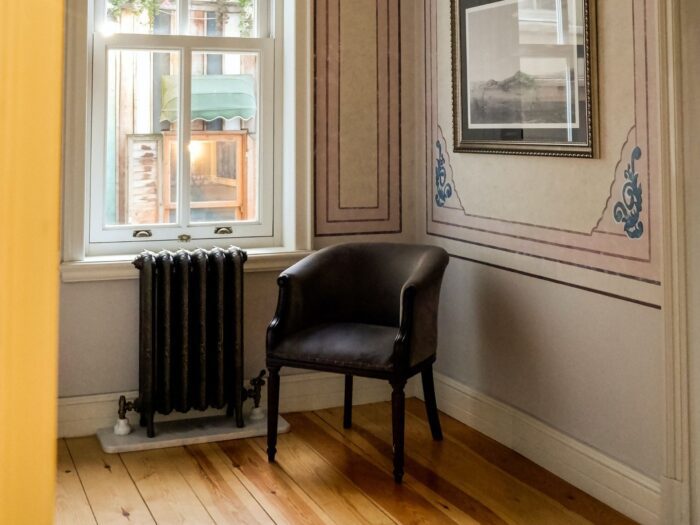
Whilst households across the UK will be trying to save on heating and energy costs, one of the best techniques to prevent mould growth is by keeping your heating on.
“The heat helps warm surfaces and walls that in turn, prevents any water condensing,” Miroslav explains.
“To prevent mould growth, homes should be heated to at least 16 degrees celsius, and no lower than 14 degrees.
“Cold rooms attract moisture, allowing mould spores to survive and thrive throughout the home.”
Close your doors
Keeping doors closed in moisture-prone rooms, such as the bathroom or kitchen, can control humidity and will limit airflow to help avoid mould growth.
Miroslav says this helps prevent the spread of moisture and mould spores into other parts of the house, reducing condensation on surfaces and allowing ventilation systems to work effectively.
“Whether you are showering, bathing, boiling a kettle or cooking on the stove, keeping doors closed during these tasks is a simple way to minimise the risk of growth, especially on the ceilings where air rises.”
Want more inspiration? Read: Après-ski interiors are winter’s biggest look: 8 ways to bring cabincore into your home. And check out Swag gap interiors: 9 ways to embrace the trend
READ MORE: