


How to protect your garden from a heatwave
It has been an absolutely stunning summer in the UK so far with Hillier Garden Centres reporting already a whopping 653.3 hours of sunshine which is 43% above average. It has also been the sunniest spring on record since 1910!
Now as we enter our third heatwave of the year, many plants, lawns and gardeners are beginning to feel the strain.
Here, we’ve gathered up some tips to keep your gardens healthy and resilient during this extreme weather, so they continue to thrive.
Take a read of our top tips for what to do and what not to do.
Watering schedule
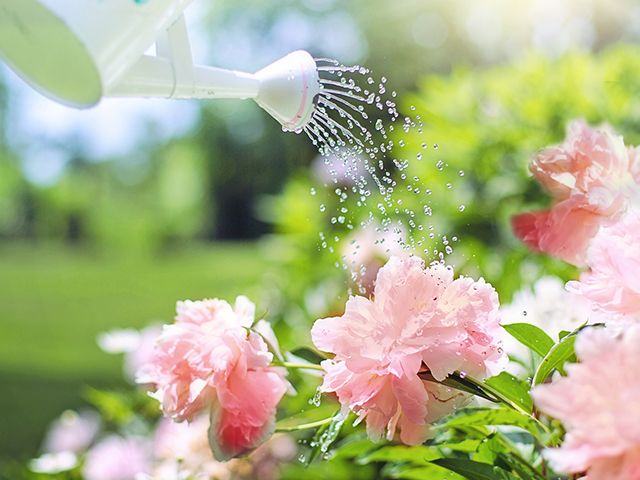
The best time to water your beloved garden is in the mornings when the heat isn’t at its maximum temperature.
Make sure to give them a more generous amount of water during the heatwave as you don’t want any shallow roots dying off.
We recommend using an old fashioned watering can rather than a sprinkler or hose as you can direct the water more accurately with a much higher flow. Water your garden once a day, but on real scorchers you can even water your potted plants twice a day.
Charles Carr, Head of Nurseries at Hillier Garden Centres advises: “Keeping the garden well-hydrated is key to ensuring healthy plants throughout the season.
“We’d recommend watering plants at the coolest time of day, to avoid evaporation loss during the heat. Don’t forget to direct the flow of water to the base of the plant, ensuring thirsty roots get all the water they need, avoiding the leaves where possible to prevent diseases from developing.”
“Remember that hanging baskets and containers dry out much quicker than flower beds and borders, so keeping these well-watered is essential.
“It’s of course vital to water responsibility and collecting rainwater in a water butt is a fantastic way to ensure you have enough water to last – particularly for the occurrence of a hosepipe ban. Not only that but the pH balance is actually better for most plants than tap water too.
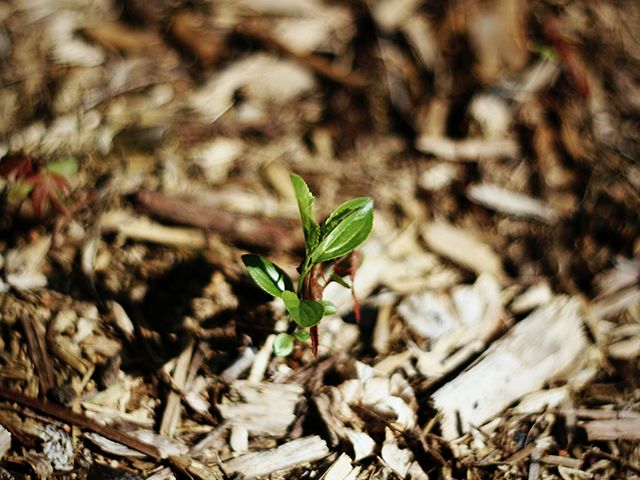
“It’s best to water less frequently but more thoroughly, soaking the rootball properly. Another trick to retaining moisture in the garden is mulching. Add organic mulch such as wood chippings, garden compost or leaf mould to beds to save water and improve moisture retention. A thick layer of mulch will block sunlight, insulating the soil and reducing the amount of water evaporating from the garden.”
Layer mulch
Protect your flower beds by layering a generous amount of mulch on top of your soil to protect it from drying out too quickly.
Bark mulch is a great option as it stops weeds growing and preserves water, but you can also use grass cuttings to layer on top of your beds.
Manage your lawn
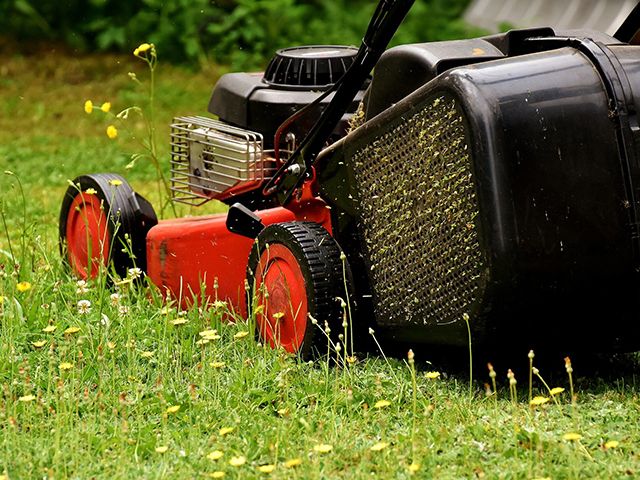
Leaving your grass to grow a bit taller than usual is a helpful trick during a heatwave. The extra growth (2-3 inches) will help shade the rest of your garden plants.
Also, avoid adding fertiliser during the hotter weather as this will hinder your plant’s ability to soak up nutrients from any water present in the soil.
Peter Chaloner, Managing Director of Cobra, advises:
“Grass is known for its resilience, but even this hardy plant can suffer under extreme conditions. The UK is currently experiencing unusually hot weather, and your lawn may be showing signs of stress as a result. However, by making a few adjustments to your lawn care routine, you can mitigate damage and help your lawn recover.
“In general, it’s a good idea to resist watering established lawns in summer, as grass can recover once rainfall returns. In fact, it often goes dormant and turns brown during dry periods as a natural survival mechanism. However, if you’re experiencing a prolonged dry spell, consider infrequent, deep watering to encourage deep root growth. If you do water, avoid doing so during the sunniest parts of the day, and use stored rainwater or grey water instead of mains water whenever possible.
Throw some shade
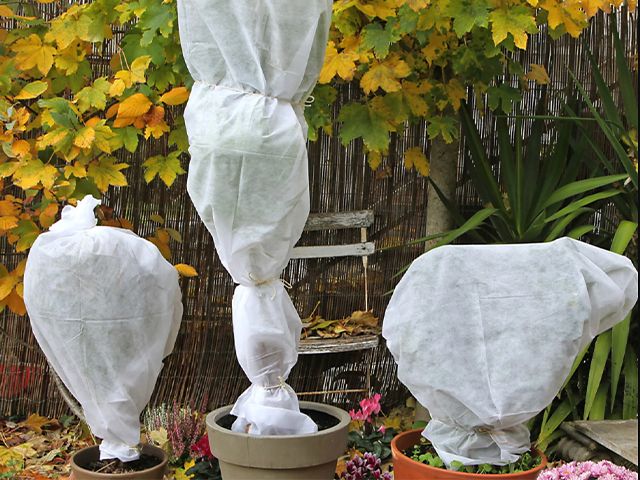
If you’re really worried about your sensitive plants or veggies, those that are prone to do badly during extreme heat, then you can protect them by covering them with a shade cloth.
Shade cloth can of course be purchased from garden centres; however, you can easily make your own using old pieces of fabric. It just needs to be breathable and tied securely at the bottom of the plant to stop it flying off.
How can I help my houseplants in the heat?
It’s not just your gardens that need nurturing in the heat, though. You need to take control of your houseplants, too.
Matty Willems, PR Manager of sustainable plant pot company, elho advises: “When temperatures soar, plants can suffer just like we do. Intense sunlight, dry soil and prolonged heat can lead to stress, dehydration and even permanent damage if left unchecked.
“Whether you’re caring for leafy houseplants, vibrant balcony flowers or a veggie patch, a few smart adjustments can make a big difference during a heatwave.”
“Even houseplants can feel the effects of a heatwave – especially those near sunny windows or in drier indoor climates. Most houseplants will benefit from a thorough watering about once a week, but it’s a good idea to check the soil every few days to make sure it’s not drying out too quickly. You can also make use of clever watering solutions to take out the guesswork.
READ MORE