



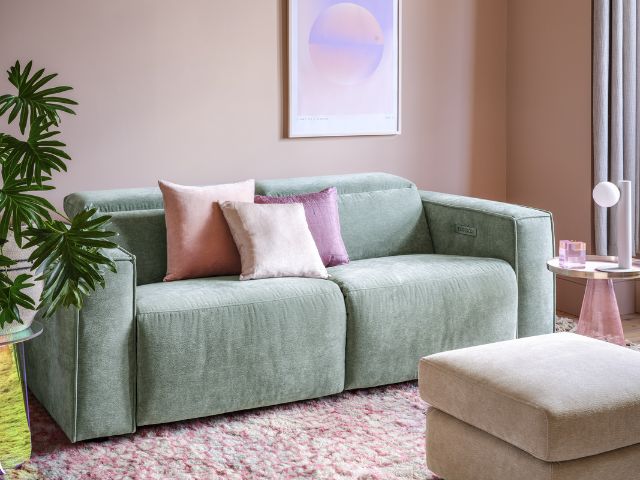
Image Credit: Sofology
Mini Egg interiors: 9 Easter ideas for a stylish spring home
We all know that Easter doesn’t really begin until the Mini Eggs drop.
Those iconic yellow packets have become something of a seasonal status symbol to be snapped up, stashed away and scattered generously over Easter bakes.
But beyond their cult choc appeal (and hefty price tag), they also offer some serious inspiration for our home décor.
Think soft, sugary shades, chalky finishes and that signature speckled detail that’s both nostalgic and totally on trend.
From duck egg blue kitchens to splattered ceramics and pretty spring tables, the Mini Egg look is playful, uplifting and colourful without tipping too much into kitsch.
“We find design inspiration in all sorts of interesting places,” explains Rohan Blacker, founder of Schplendid.
“As quirky as it seems, the appeal of a Mini Egg is actually quite simple, the combination of organic, calming shapes and a palette that doesn’t shout offers a surprisingly fun way to build a look that feels properly designed.”
The trick, of course, is restraint.
“You want to carefully choose a sophisticated version of those chalky tones without falling into a saccharine trap,” Rohan continues.
“It’s about using these colours and silhouettes to create a space that feels quiet, clever, and, most importantly, grown-up.”
Whether it’s an Easter table layered in pretty pastels, a kitchen shelf styled with tonal ceramics, or a living space lifted with chalky hues and natural textures, the look is less about novelty and more about bringing a relaxed, distinctly British take on spring style.
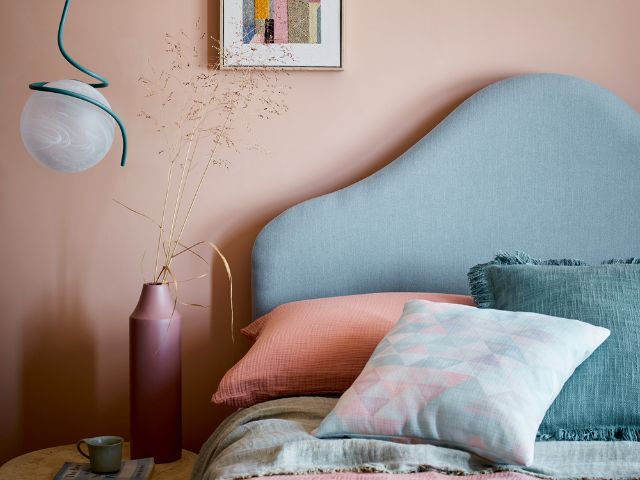
Adopt a chalky colour palette
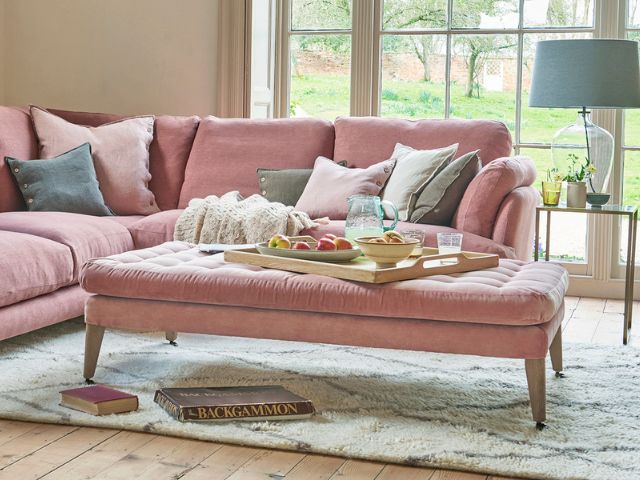
Pastels are growing up. Gone are the sugary sweet saturated hues and in their place a softer, more muted palette of dusky pinks, butter yellows and cornflour blue, echoing the tones in those famous chocolate eggs.
Kunal Trehan, interior designer and founder of Touched Interiors says the key to working with pastel tones is to desaturate them.
“Think powder blue, muted lilac, soft pistachio and a creamy off-white rather than anything too bright or saccharine,” he says.
“The trick,” he continues, “is pairing these shades with grounding neutrals such as warm stone, soft taupe or even a deep olive.
“This contrast immediately gives the palette more depth and stops it from feeling juvenile.
“Layering different finishes such as matte walls, limewash textures or brushed fabrics also adds a sophistication that elevates the entire scheme.”
Julia Bilotta, creative stylist at Sofology advises not being afraid to mix and match pastel colours.
“When chosen thoughtfully, pastel shades naturally complement one another, especially when they share similar undertones,” she says.
“Alternatively, layering different tones of the same colour, such as a soft pastel pink with a deeper dusty rose, can add depth and interest without disrupting the harmony of the space.”

Go speckled in your accessories
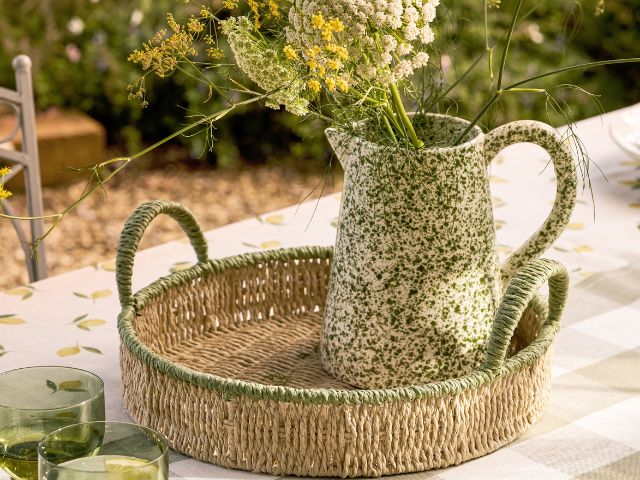
Incorporating speckled accessories is an easy, understated way to nod to the Mini Egg look, bringing in playful texture without overwhelming your existing scheme.
“Speckled finishes are having a real moment, but in a far more artisanal way than we’ve seen before,” explains Kunal.
“Ceramics, glassware and even stone surfaces with delicate flecking introduce subtle visual interest without taking over the room.
“The key is restraint. A few well-placed pieces, perhaps a handcrafted vase or a set of bowls, will nod to the Mini Egg aesthetic without becoming literal.
“It’s about texture rather than theme.”
Speckled accessories are perfect for adding to an Easter ‘shelfscape’ too.
“Think shelving adorned with Easter trinkets, spring florals, and subtly speckled pieces,” suggests Rachal Hutcheson, interiors expert, Sharps.
“This combination creates a layered, joyful look that feels both seasonal and sophisticated.”
Unlike bolder patterns such as stripes or geometric designs, Rachal says speckled finishes offer a more understated approach.
“They allow for creativity and playfulness, whilst maintaining a sense of balance and maturity.”
To ground the look, Rachal suggests adopting bespoke shelving in muted tones, natural wood works beautifully to reinforce a connection to nature during the spring months.
“Alternatively, soft willow green or deep navy can provide a subtle backdrop of colour, helping pastel and speckled accessories feel elevated and cohesive.”
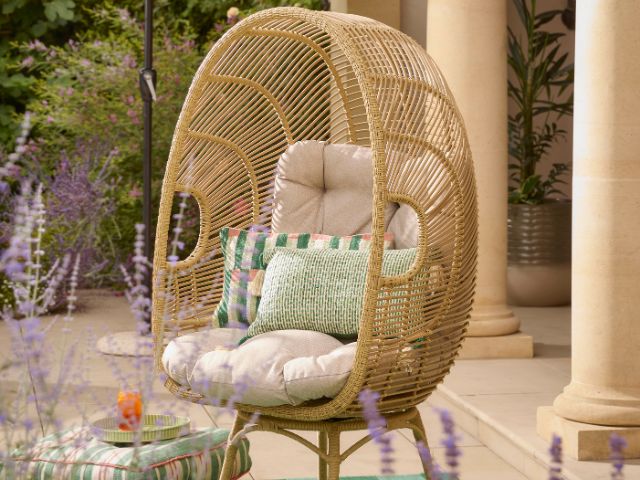
Go for egg-shaped silhouettes
There’s a reason egg shaped furniture has stood the test of time.
Not only do curves help soften straight lines and add visual balance, they also add some playful charm.
“Curved, cocooning forms have long been associated with comfort and elegance, which is why egg-shaped silhouettes remain timeless,” explains Kunal.
“Whether it’s a sculptural lounge chair, a rounded occasional table or softly arched accessories, these shapes bring a sense of fluidity into a space.
“They soften architectural lines and create a more inviting environment, which is why they work so beautifully in both contemporary and classic interiors.”
Lisa Jones, editorial design manager at Dunelm, suggests looking for softly rounded, organic shapes in vases, bowls and even outdoor furniture.
“The gentle curves on an egg chair feel natural and classic, bringing a sense of softness to your space that is stylish all year round,” she adds.
The unexpected yellow theory
We’ve seen the rise of the unexpected red theory, which states that adding a pop of a red to a room will instantly improve it, even if it doesn’t necessarily match the rest of the space.
But according to Kunal yellow offers a fresher, more seasonal interpretation.
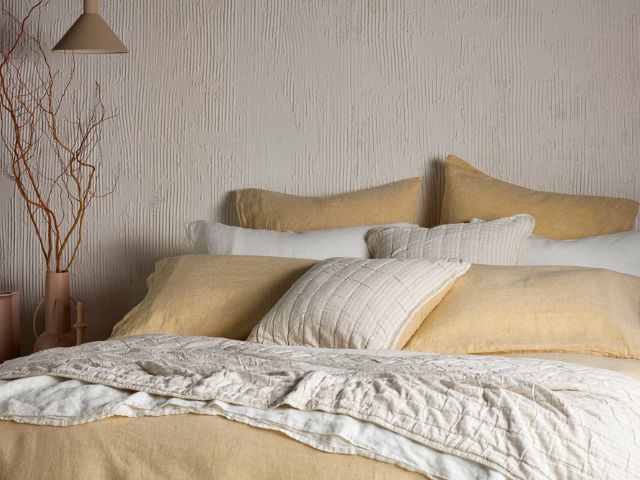
“A soft butter or primrose yellow, used sparingly, can instantly lift a scheme dominated by cooler pastels,” he explains.
“It works because it introduces warmth and contrast without feeling jarring.
“The key is placement, perhaps a single cushion, a piece of artwork or a decorative object, allowing it to act as a quiet focal point rather than a dominant colour.”
Lisa agrees that a touch of soft yellow can instantly lift a space, brightening the room and bringing the sunshine indoors.
“This can be done anywhere in the home, such as via bedding in the bedroom, or canisters in the kitchen,” she adds.
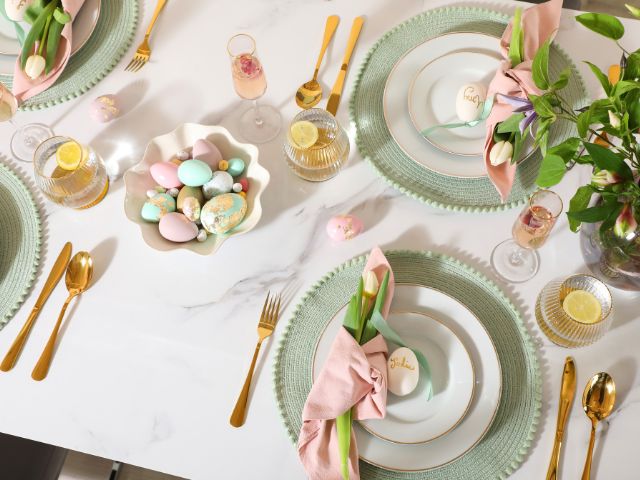
Adopt a mini egg-inspired tablescape
A refined tablescape is where this trend really comes into its own.
Kunal suggests starting with a soft linen base in a muted pastel, before layering tonal ceramics, lightly tinted glassware and brushed metal accents.
“The look should feel collected rather than styled,” he adds.
“Fresh florals in loose arrangements – hellebores, ranunculus or blossom – will add an organic softness.
“Keep everything slightly undone to avoid it feeling overly themed.”
Helen Ashmore, head of design at Laura Ashley, suggests styling a spring table with fabric and wallpaper offcuts. “Leftover wallpaper and fabric can be used in simple, creative ways,” she says.
“Try using some wallpaper as a table runner, or fabric offcuts as placemats and napkins for an easy, layered look.”
She also suggests incorporating patterned crockery and natural textures like wood or rattan to keep the overall feel balanced and considered.
“It’s a simple, low commitment way to introduce seasonal colour and pattern while giving new life to pieces you already have.”
Check-in
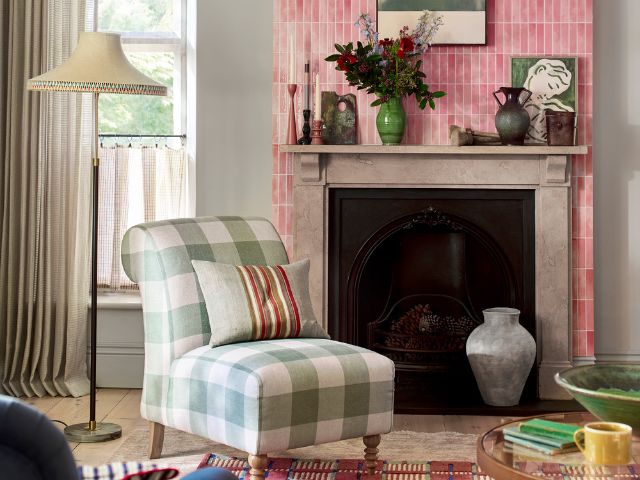
If you want a subtle way to introduce a hint of mini egg decor, pastel checks are a beautiful way to introduce pattern without overwhelming a space.
The key is scale and balance.
“Opt for larger, more relaxed check patterns in soft tones, and pair them with plains to give the eye somewhere to rest,” advises Kunal.
“Used on cushions, throws or table linens, they bring a gentle rhythm to a room while still feeling calm and considered.”
Kellie Wyles, head of upholstery and brands at DFS says pastel checks tend to work best when used sparingly.
“Instead of making them the focus, try introducing them as an accent, for example with an accent chair or layered scatter cushions,” she advises.
“A checked chair in a soft pink or green can add a gentle, relaxed feel, while deeper-toned pieces – like a navy chest of drawers or side table – help anchor the room.
“Letting the larger furniture lead keeps the space feeling balanced, with pattern adding interest rather than taking over.”
Get creative with Mini Egg paint
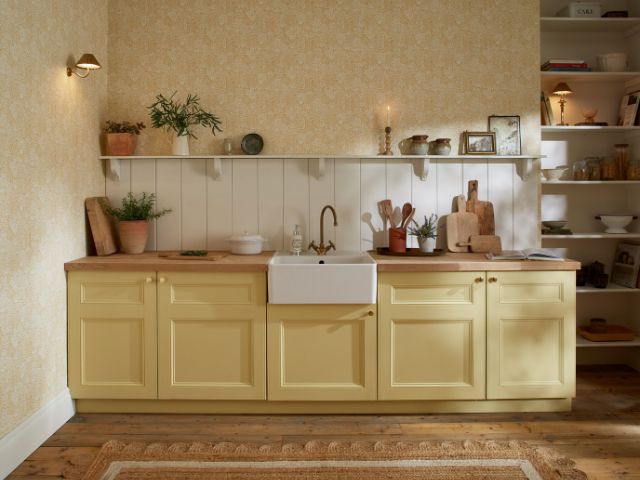
Upcycling furniture in chalky pastel tones is a simple way to introduce this aesthetic in a more personal way.
The secret lies in the finish.
“Avoid anything too glossy and instead opt for a matte or eggshell texture,” Kunal advises.
“Slightly distressed edges or layered tones can add depth and prevent the piece from feeling flat.
“It’s about creating something that feels lived-in and bespoke rather than newly painted.”
Go Mini Egg-decor light
If you’re not ready to fully commit to a full mini egg pastel scheme, Julia advises starting with a statement accent chair or introducing a few key accessories such as cushions, throws or lighting.
“When styling with accessories, less is more – keeping pieces simple ensures the space feels fresh and contemporary,” she says.
“These smaller touches offer an easy, affordable way to experiment with the trend.”
Helen suggests layering in subtle accents.
“A few well-chosen accessories such as a cushion, a throw, or a photo frame can gently nod to the trend without overwhelming your space,” she continues.
“Introducing tactile elements in soft pastel shades, like velvet cushions, knitted throws, or a textured rug, adds depth and visual interest while keeping the look elevated.
“These pieces bring muted bursts of colour in a way that feels considered and paired with warm neutrals help maintain a calm and balanced scheme.
“Focusing on just a few carefully chosen accents keeps the look refined, layered, and grown up.”
Contrasting trim is another great way to introduce colour without overpowering the space.
“Bright frames against a plain wall, a plain rug edged in pattern, or neutral walls trimmed in deep red, keep the look feeling grown up and considered,” adds Kellie.
Turn to travertine
According to Mara Rypacek Miller, founder of Industville the raw and irregular texture of travertine brings a tactile, handcrafted quality to interior spaces, with its naturally scattered pits and speckles bearing an unexpected resemblance to the playful, freckled surface of Mini Eggs.
“This organic patterning adds quiet visual interest, breaking up solid surfaces in a way that feels both relaxed and considered,” she explains.
“In minimalist interiors, travertine’s soft, neutral tones and uneven texture gently soften sharp lines while still catching the eye.
“In more rustic settings, it pairs effortlessly with exposed wood beams, linen upholstery and pastel palettes, enhancing the overall sense of warmth and authenticity.”
READ MORE: