


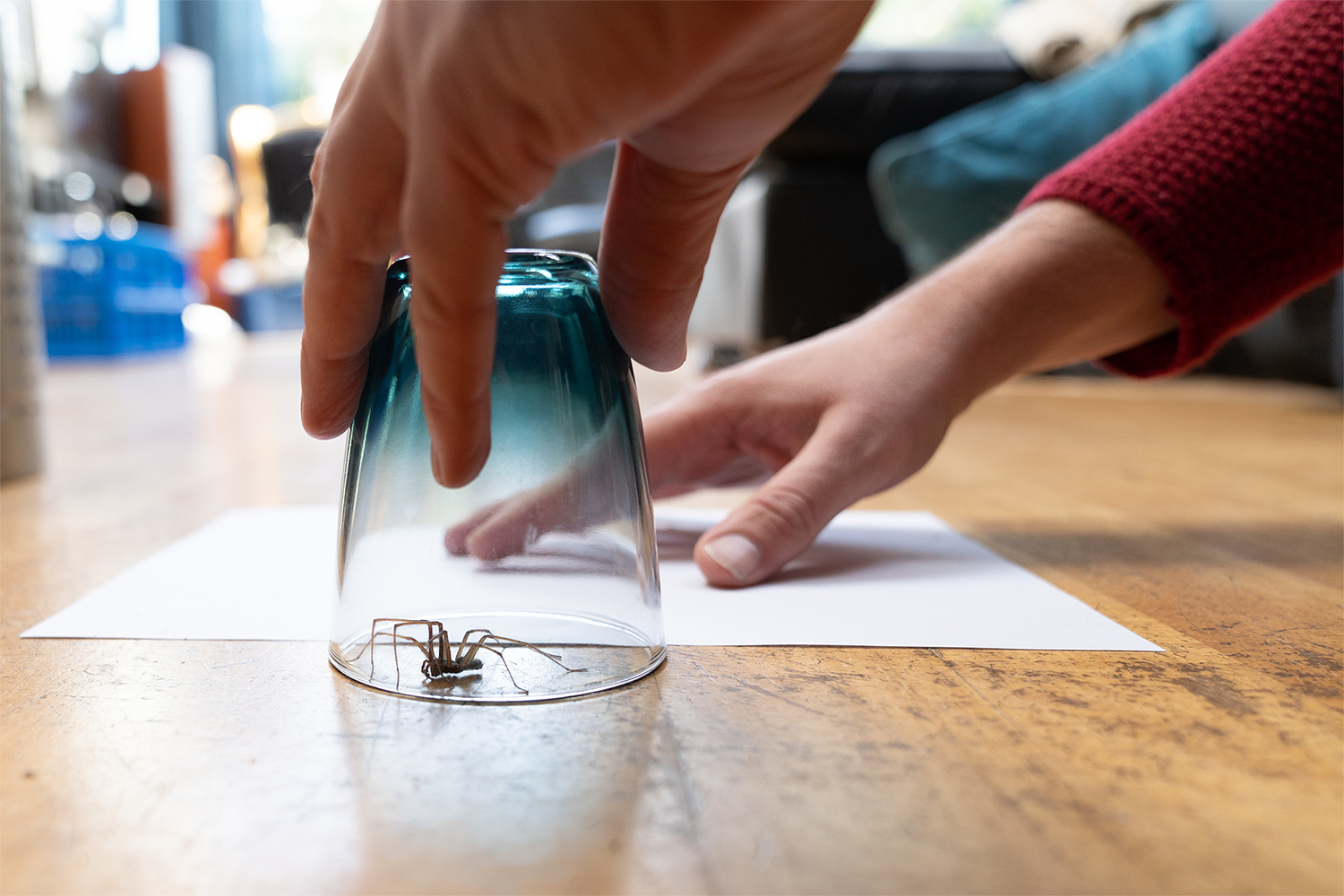
Photo: Adobe Stock
Spider season is here: 12 simple ways to keep autumn pests at bay
If it feels as though your home has been hosting a few more uninvited guests lately, you’re probably not imagining it.
As well stealing our sleep and leaving our lawns frazzled, this summer’s heatwaves have left us with something even more irritating: a bumper crop of creepy-crawlies.
Turns out this summer’s long spells of warm weather have created peak conditions for the bug brigade to breed, with pest experts reporting higher than average numbers of fruit flies, house flies and, consequently (and horrifyingly), the spiders that feed on them.
“A warm, prolonged summer accelerates insect breeding cycles, meaning populations of fruit flies, house flies and spiders are all higher than average this year,” explains Mosh Latifi, co-owner, EcoCare Pest Management (ecocare-management.co.uk).
Can’t move in your kitchen right now without having to madly swat a swathe of fruit flies taking to the skies? You’re certainly not alone.
“Fruit flies in particular have had an exceptional season as the heat speeds up fermentation of food and organic waste, which is exactly what they breed in,” Mosh adds.
And this has a knock-on impact on many of our other multi-legged ‘friends’.
“Spider numbers are elevated because their prey, other insects, have been abundant all summer,” Mosh continues.
“More food means more spiders, and now they are moving inside as temperatures start to fall.”
And it seems the the pest party is only just getting started.
September signals the start of spider mating season, when males leave their usual hiding places in search of a partner, while tumbling temperatures encourage flies and other critters to seek food, warmth and shelter indoors. Oh the horror!
“Male spiders become active, move around far more than usual and inevitably end up indoors,” Mosh continues.
“Meanwhile, fruit flies and house flies seek warmth as outdoor temperatures cool.
“Your home is warm, has food sources and offers shelter.
“From a pest’s perspective, it is an ideal destination.”
So, how do we stop our homes becoming autumn’s hottest pest hangout?
From giant spiders scuttling across your living room floor to pesky fruit flies hovering above your bananas, here’s how to show unwelcome visitors the door.
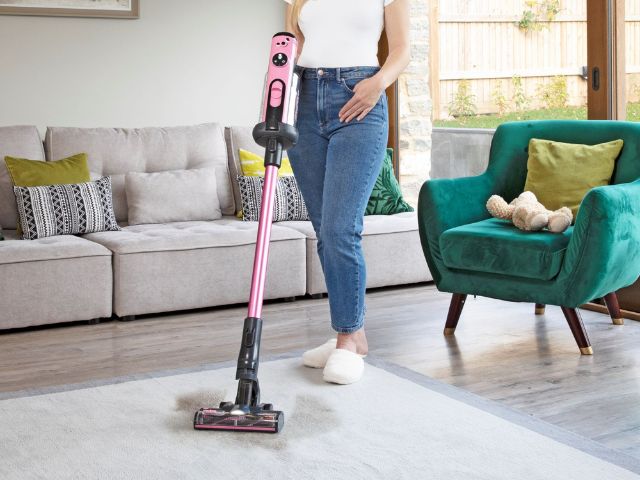
How to rid your home of autumn insects?
Spiders
Do block any gaps in your home
Prevention is better than cure, so the first step when looking at how to get rid of spiders in the house is trying to stop them getting in in the first place by sealing any entryways.
“Block any gaps in walls and pipes, and seal any cracks you have around your windows and doors to stop them from making their way in,” suggests James Higgins of Online Carpets.
Do clean and declutter
Once you’ve blocked the eight-legged entry points James suggests cleaning off any windowsills – especially any that already have cobwebs – as the dirt and build up could be attracting insects, and therefore then, spiders.
“Use a simple mix of white vinegar and warm water to spray over your windows and windowsills to leave them sparkling ahead of spider mating season,” he continues.
Regular cleaning can also help act as a spider deterrent.
“Spiders love hiding, so it’s key to keep tidying and decluttering to remove their hiding places,” James explains.
“Make sure you dust and vacuum regularly if you spot any spiderwebs.
It’s also important to keep your bin closed, away from windows, and regularly cleaned.
“Flies love our bins, and if you’re attracting flies, you’ll probably attract some spiders too,” he adds.

Use scents to deter spiders
There are a few scents that spiders dislike – cinnamon, mint, lavender and lemon to name a few.
“The perfect autumnal scent, spiders dislike the warm spice of cinnamon,” James continues.
“Cinnamon comes in different forms, so you can either place cinnamon sticks around your home, or alternatively, opt for a scented candle to deter any spiders and give your house a cosy feeling.”
If you favour lighter smells, opt for lavender and peppermint scents.
“Grab some lavender or mint plants and pot these so they sit around your windowsill – not only will they spruce up your sills, but they can stop spiders from making their way inside in the first place.”
Do try the lemon peel hack
Sounds bonkers, but experts suggests rubbing lemon peel over your windowsills, skirting boards or any shelves can help to deter spiders.
“Not only does the strong citrus smell keep them away, but it will also leave your kitchen or bathroom smelling fresh,” James adds.
Don’t believe all the hacks you see on TikTok
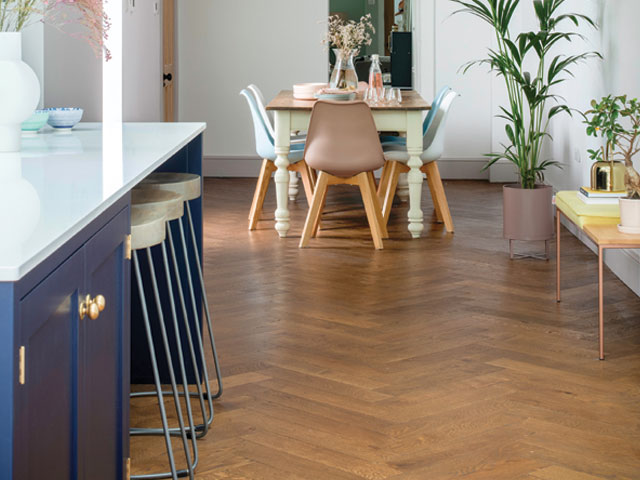
While scents like cinnamon can help prevent spiders, some TikTok videos suggest mopping your floor with a mix of cinnamon powder and water, but this isn’t something Graeme Shelley, managing director at Factory Direct Flooring would recommend if you want to keep your floors in good shape.
“When you mix water with dried cinnamon, the reddy-brown colour is released from the powder, which can leave stains and brown smears all over your floor,” he explains.
“If you’re really keen on the mop method, try adding a few drops of cinnamon essential oil to your mop water instead of powder,” he continues.
“But only if you don’t have pets, because certain essential oils can be toxic to them.”
While vinegar doesn’t smell as nice as cinnamon or orange, it’s another scent that spiders don’t like, and Graeme says it doesn’t risk staining your floor like cinnamon powder.
“If anything, mopping with a mix of vinegar and water can help you get a beautifully clean streak-free finish, and it reduces germs too – our swab tests found it cut bacteria on floors by 71% on average,” he adds.
Don’t bother with conkers
While it’s been commonly said that placing conkers around your home is the best way to get rid of spiders, James says this is actually an old wives’ tale with no scientific backing.
Fruit flies
According to Daniel Steward, Managing Director at Shield Pest Control fruit flies are particularly active during warmer months, when ripe fruit, fermenting liquids and food waste become prime breeding grounds.
But, annoyingly for us, they’re actually active all year round, making a home of your bins, drains, as well as your fruit bowl – anywhere there’s humidity and the chance to lay eggs! Eugh!
“Fruit flies are drawn to moisture, food and warmth, all of which are more common in warmer months,” Daniel explains.
“Unlike larger house flies, fruit flies are tiny and can sneak through even the smallest gaps in window screens or door seals.”
Thankfully, however, there are some simple measures you can take to tackle the little blighters.
Do address what’s attracting them
Daniel says there is no benefit in treating an active infestation of fruit flies until the source has been addressed, so it’s important to try to stop making your home a place they want to gather.
He suggests removing any sticky liquids, decaying fruit and vegetable matter, and deep cleaning all affected areas.
“Washing out bins can also help, as liquids may collect in the base,” he continues.
When the weather is warm he also recommends storing fruit in the fridge rather than on countertops, cleaning up spills immediately, especially alcohol or juice, and taking kitchen bins out regularly – “at least once a day in warm weather.”
Rinsing bottles and jars before recycling and keeping compost caddies tightly sealed also helps.

Do make a DIY scent repellent
Fruit flies are also repelled by the scent of certain essential oils, such as peppermint and lemongrass.
“You can mix a few drops of these oils with water in a spray bottle and apply the mixture to areas where you suspect the flies are gathering, helping to deter them,” Daniel suggests.
Do try the fruit washing hack
Adult fruit flies like to seek out rotting and fermenting fruit and vegetables so washing your fruit will definitely help to deter the pests from your fruit bowl.
While the hack applies to all fruit, it works particularly well with bananas and melons.
Rinsing under cool water and gently washing them with your hands it will remove fruit fly eggs and any pesticides from the surface.
Once washed, simply allow fruit to dry on a kitchen roll or a towel before eating.
Flies
Flies and bluebottles driving you crazy? You’re not alone – and there are a few reasons we could be swatting more this September.
Late-summer warmth keeps flies active for longer, while sun-warmed brickwork can attract sluggish flies looking for somewhere cosy to shelter, before they slip indoors through cracks and gaps.
Add in windows left open to make the most of balmy early-autumn days and we’re practically rolling out the welcome mat.
The good news? From blocking their favourite entry points to removing the food, smells and moisture that attract them, there are plenty of simple ways to make your home a less appealing pit stop.
Do turn to orange peel
Flies, along with several other pests, are repelled by the strong citrus scent of orange peels. “This aversion is primarily due to a compound called D-limonene, which is abundant in the oils of citrus fruits,” explains Daniel. “D-limonene acts as a natural insecticide, disrupting the nervous systems of insects and masking the scents that attract them to food sources.”
One of the simplest methods to deter flies is to place fresh orange peels near entry points like windowsills, doorways, or kitchen surfaces.
“The strong citrus scent can help deter flies and other insects from coming inside.”
If you want something a bit more versatile, you can make a homemade citrus spray. “Just boil the peels in water for 10 to 15 minutes, let it cool, strain out the solids, and then pour the liquid into a spray bottle,” Daniel adds.
Do grow pest repelling plants
Certain plants act as natural pest repellents because their strong aromas interfere with insect sensory receptors.
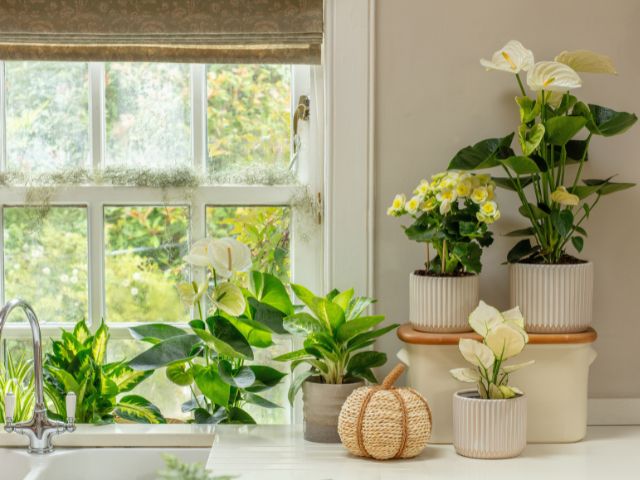
“Mint, lavender, eucalyptus, and citronella plants not only add to your home aesthetically but can also play an active role in repelling pests,” explains Saif Derzi, founder of Property Buyers Today.
These heavily scented plants create a natural barrier in your home, warding off pests with their pungent smell.
“For maximum effectiveness, place these plants on windowsills and near doorways where flies typically enter homes.”
Lavender is also highly effective because its strong floral scent overwhelms a fly’s sensitive olfactory system.
“It can be used in essential oil diffusers, dried sachets or scented candles,” Daniel explains.
Mosh says a pot of fresh basil on the kitchen windowsill could also help to deter flies naturally.
Do tackle kitchen smells
According to Daniel bicarbonate of soda is an excellent odour neutraliser, which helps absorb and reduce the smells that attract flies in the first place, such as food waste and rubbish odours.
He suggests sprinkling bicarbonate of soda in and around rubbish bins or in areas where food odours tend to linger.
A fly strip in a discreet location handles those flies that do get in. “Keep food covered and wipe surfaces regularly to remove the scent trails that attract them,” Mosh adds.
Want more inspiration? Read: The Gentlemen is back! 11 ways to steal its country-house style and Greek chic: 10 ways to get The Odyssey look at home. And check out Back-to-school interiors: 11 ways to reset your home for the new term
READ MORE: