



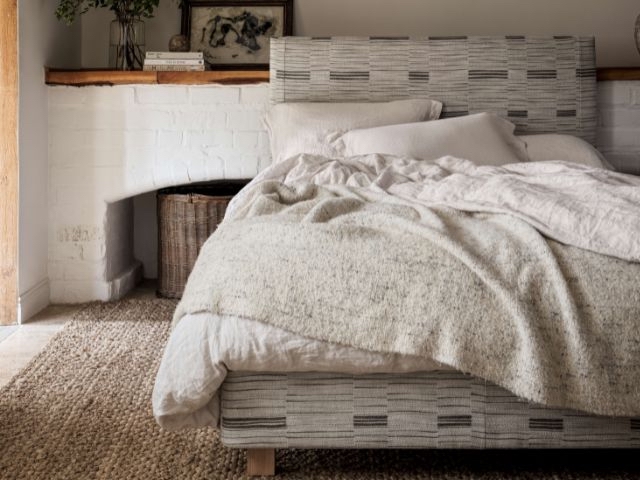
Image Credit: Naturalmat
What is the ‘potato bed’ sleep trend and could it help you get your best night’s rest?
Another day, another sleep trend doing the rounds on TikTok.
This time the latest craze on the social media block suggests we should all be fashioning our covers into a so-called ‘potato bed’.
Granted this doesn’t sound hugely comfortable, but thankfully this is less about actual potatoes and more about creating a deeply cocooning, nest-like bed that makes you feel all snuggly, and somewhat resembles the humble jacket potato. Hence the name.
The idea is that being gently enclosed by soft layers, pillows and tactile bedding can help the body relax, making it easier to drift off.
But while the trend taps into our growing appetite for comfort-led sleep rituals, the question for interiors lovers is whether it can be done beautifully?
After all, the link between our homes and our wellbeing is stronger than ever, particularly in the bedroom, where colour, texture, lighting and layout all play a part in how well we snooze.
But before we dive into all that, it’s worth us taking a closer look at what a potato bed actually is and whether or not hunkering down in one can really help us get a better night’s sleep?
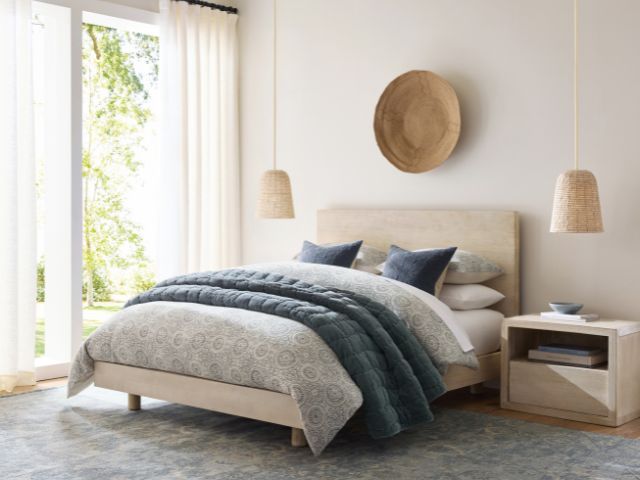
What is a potato bed?
Essentially, the craze involves taking a fitted sheet and turning it upside down so that the elasticated edge faces upwards.
Then you take pillows and blankets and stuff them into the inside edges of the fitted sheet to create a kind of DIY cocoon/adult-sized dog bed.
The finished setup creates a nest-like shape that resembles a baked potato.
Tutorials for how to put together a potato bed are gaining a huge amount of traction on social media, with one hack from TikToker @secretlifeeee123 clocking up over 16.6 million likes.
While it might sound like yet another outlandish wellness trend churned out by the video sharing platform, turns out there might actually be some science behind this particular practice.
“The potato bed is a TikTok trend, but the idea behind it is something a lot of people strive for in their homes,” explains Mark Tremlett, Founder of Naturalmat.
“Many of us want spaces that feel cosy, calm and comfortable, and for some people, that sense of softness and enclosure is exactly what helps them wind down at the end of the day.”
Sleep experts agree that there are some benefits of creating a potato bed for both sleep and wellness.
“There are definitely some positives to the trend,” explains Sammy Margo, sleep expert at Dreams.
“The pillows and blankets create a comforting cocoon effect that can mimic the feeling of being cuddled or using a weighted blanket.
“This sense of comfort may help stimulate the release of feel-good hormones such as endorphins and oxytocin, which are associated with relaxation, security and mood elevation.”
The idea of ‘nesting’ has also been linked to improving comfort levels and helping calm the nervous system, which may help some people relax and fall asleep faster.
“It’s also an easy and affordable setup using bedding most people already have at home, making it appealing for reading, napping, scrolling on your phone or simply relaxing on lazy days,” Sammy adds.
However, while it may be undoubtedly cosy, a potato bed is probably not the best option for a full night’s sleep.
“The extra padding and positioning of pillows could affect proper spinal support that you would normally get from your mattress, while the additional blankets may reduce airflow and increase the likelihood of overheating during the night,” Sammy explains.
“It’s also fairly impractical to dismantle and rebuild regularly, making it difficult to maintain long term.”
Overall, Sammy says the potato bed is perfect for cosy weekend lounging, naps or ‘bed rotting’ sessions, but it’s unlikely to be the ideal setup for consistent, restorative sleep.
“If you enjoy the cocooning feeling but still want proper support and airflow, a weighted blanket could be a better alternative as it provides a similar sense of comfort and pressure without compromising your sleep environment,” she adds.
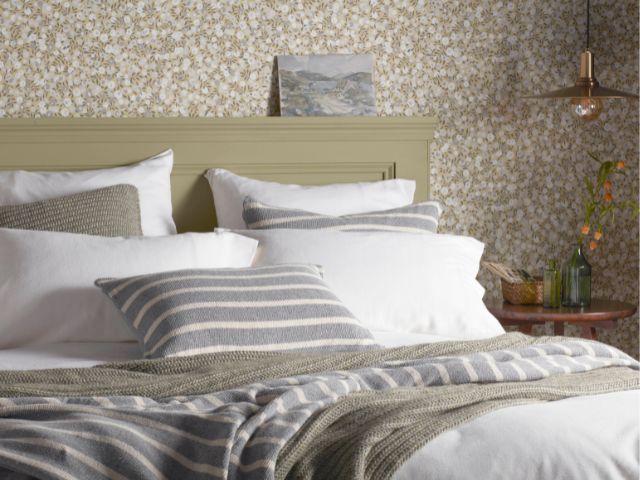
How to style a potato bed
If you fancy giving a potato bed a go, experts say the trick is to make it feel layered, but not overdone.
“Start with breathable bedding like cotton or linen and use different pillow sizes so it feels built up rather than piled on,” explains Judith Ackers, sleep specialist and chief of staff at Land of Beds.
“Put bigger pillows behind you for support and softer ones around the sides.”
Aesthetically, Julie says it is important to stick to a simple colour palette so it feels calm rather than busy and add a light throw for texture, but nothing too heavy or synthetic.
“Leave a bit of space so the bed doesn’t feel completely swallowed.
“If you get it right, it should feel more like a boutique hotel than a pillow fort,” she continues.
“It really just comes down to what feels comfortable for you.
“If it makes your bed feel more inviting, it’s worth exploring. If it feels too warm or a bit boxed in, it probably isn’t the one.”
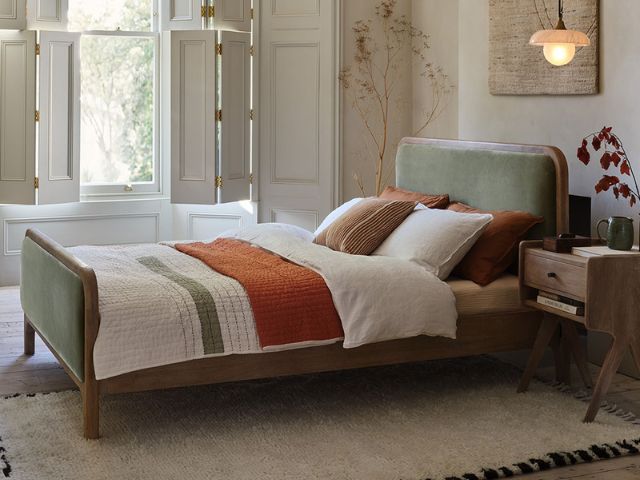
Design tricks to help you get the perfect night’s sleep
According to Mark a good night’s sleep is about much more than piling pillows onto a bed.
“Breathable fabrics, the right temperature and how relaxed you have felt throughout the day all play a significant role in resting,” he explains.
“A bedroom that feels calm, quiet and comfortable will always serve sleep better than any fast-moving trend,” Mark continues.
“Soft lighting, breathable natural fabrics and a supportive mattress are the things that make a lasting difference.”
With that in mind we asked the interiors experts to share their best tips for a bedroom that inspires good sleep…
Adopt a calming colour palette
Think of earthy hues such as warm terracotta, soft moss green, clay tones, and muted browns.
These colours help promote emotional wellbeing and make rooms feel nurturing and soothing.
“Earthy colours are incredibly versatile, so they can work in a variety of spaces, especially bedrooms designed with tranquility in mind,” explains Melissa Denham, interior design expert at Hammonds Furniture.
“When layered, they create depth and harmony, allowing textures and furniture to become the focal point.
“These shades also reinforce the connection to nature, supporting mindfulness, and wellbeing,” she adds.
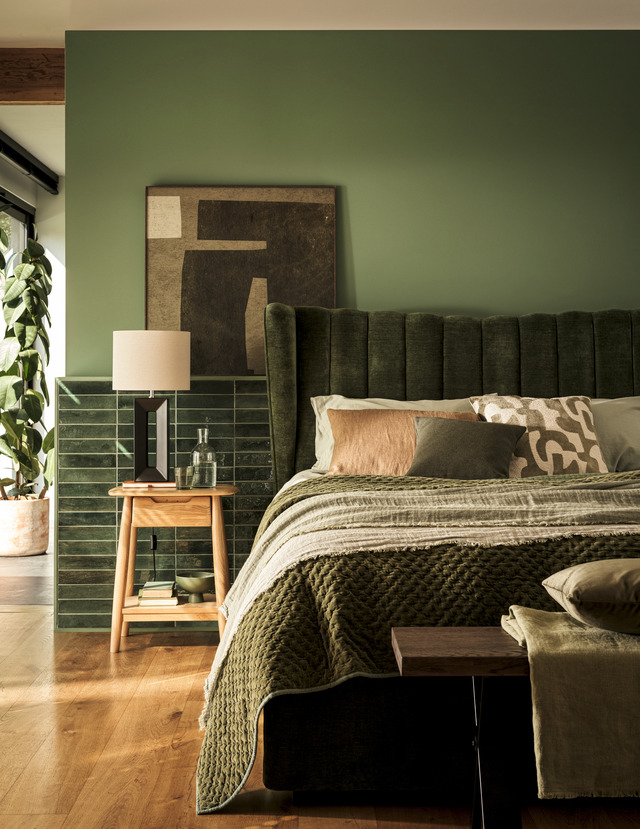
Go dark
A dark, restful bedroom can work wonders for sleep, creating the calming, cocoon-like conditions your body needs to fully unwind.
“With sleep being the main purpose of your bedroom, you’ll want to ensure that your windows dressings block out enough light for you,” explains Melissa.
“Not everyone needs absolute darkness, but some people prefer this.
“Consider what is best for you and your partner.”
If you need a pitch black room to get a good night’s sleep, you’ll need blackout blinds or curtains in place.
“There are loads of different styles to choose from, so you shouldn’t find it difficult to get something that suits your space,” Melissa adds.

But maximise daytime light
Natural light within the first hour of waking triggers specific hormones that keep you awake naturally during daylight hours.
To make the most of daytime sunshine, Ashley Hainsworth, managing director of Bed Kingdom suggests strategically placing mirrors to brighten dark corners.
“Place a mirror directly opposite or adjacent to the window,” he recommends.
“This will catch the light and reflect it into the room, brightening up the space as the sun comes in.”
In the evening, keep the big light turned off and switch to soft, warm light sources, such as lamps, or use a dimmer switch.
Ashley also suggests reducing exposure to small but unnecessary light sources.
“Think of the standby light on a TV or flashing from a charger. You might not think much of it, but your brain picks up on them.”
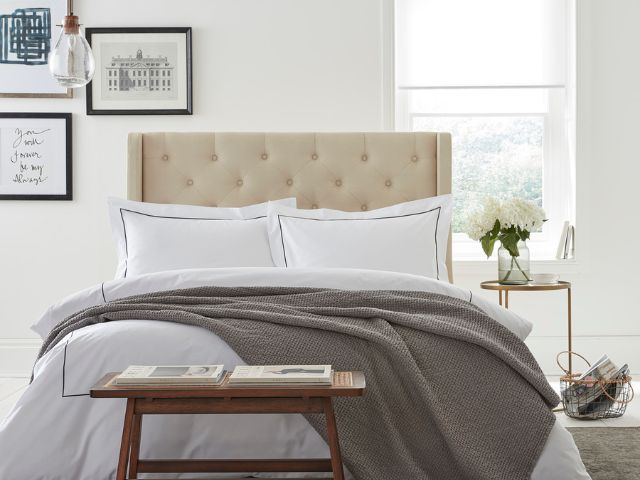
Choose the right bed for your sleep position
Turns out certain mattresses will work better for you depending on how you sleep.
“Medium to firm is more suitable for back and stomach sleepers, and softer is better for side sleepers,” explains Ashley.
He suggests using the hand test to determine how supportive a mattress is: “Lie down in a sleeping position, and slide your hand under your lower back.
“If it’s difficult to fit your hand in, it’s too soft.
“If there’s too much space, it’s too hard.
“If you’re a side sleeper, test with the inward curve of your hip.”
Choose a bed frame that provides good mattress support for your back.
Make sure it’s the correct size for your mattress and is constructed properly.
“The bed frame should be made of solid wood or metal and have a central support bar and shouldn’t wobble when you move around,” Ashley continues.
“As a general rule, bed slats shouldn’t be much over 7cm apart for proper support.”
Want more inspiration? Read: Devil Wears Prada interiors: 12 ways to channel Miranda Priestly at home or Why Rivals interiors are the nostalgic decor trend we didn’t see coming. And check out All set for a Kennedy summer? 12 ways to get the Love Story look in your interiors
READ MORE: