



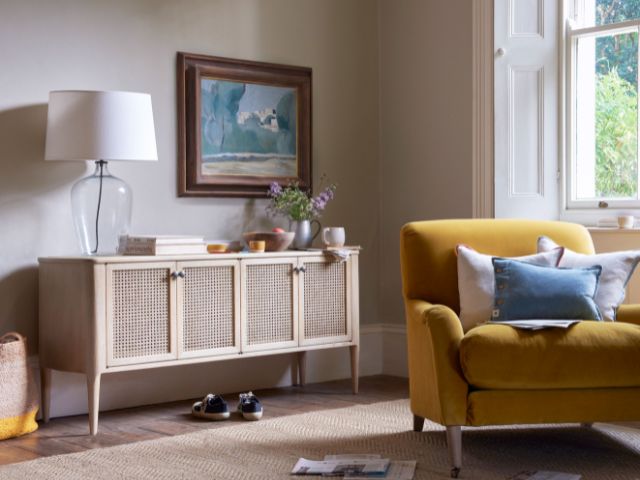
Image Credit: Loaf
Analogue interiors are 2026’s biggest trend: 8 ways to get the look at home
Over the past year or so, there’s been a bit of a shift.
From printing out our actual photo,s to rediscovering a love of vinyl and taking a mini digital detox, many of us are rethinking our relationship with technology.
And that digi-less mindset is having an influence on the decor in our homes. It’s little wonder, therefore, that ‘analogue interiors’ are currently trending.
Going analogue in 2026 isn’t about rejecting technology entirely, but about creating interiors that feel calmer, more tactile and less focussed on screens – carving out a cosy reading nook, finding a way to hide the TV, and introducing clear work-life boundaries so laptops don’t dominate the dining table.
Interior Design Studio Zulufish, has noted that this cultural move has started shaping contemporary home design, with more clients seeking interiors that move away from device-led living and instead prioritise connection, comfort, and presence.
“We are increasingly being asked to reimagine areas of the home as intentional, screen-free sanctuaries,” explains Caroline Milns of Zulufish.
“Living rooms that were once centred around a television are evolving into more sociable arrangements of sofas and armchairs, designed to face one another rather than the single focal point of a screen in the room.”
Caroline views this evolution as more than a passing preference.
“It reflects a broader cultural desire for homes that actively support wellbeing, nurture family connection and provide meaningful respite from constant connectivity,” she says.
“By crafting interiors that prioritise presence over distraction we can create environments that feel enduring, personal and quietly luxurious, spaces that are not simply lived in, but genuinely experienced.”
With that in mind, we asked the experts how to bring the analogue aesthetic home.
From embracing a calmer colour palette, to carving out dedicated tech-free zones, here’s what they had to say…
Create division between work and rest
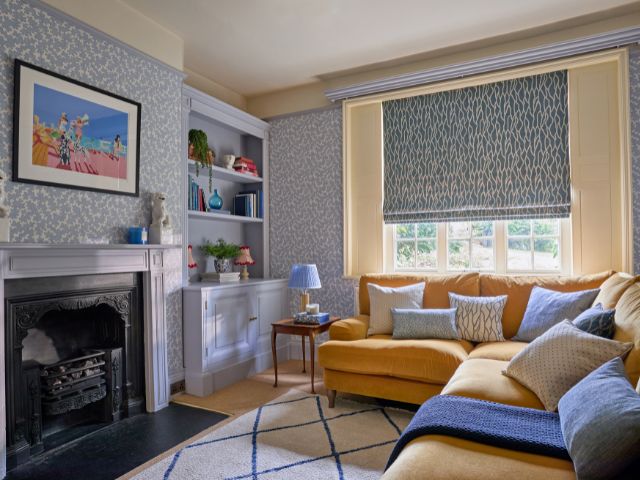
Creating dedicated areas for work and relaxation is key to bringing this trend to life in a practical way.
While many of us will have a desk in our living space, Chloe Barrow, interior expert at Laura James says separation is essential for analogue living.
“I’d recommend incorporating a large bouclé rug to indicate a cosy living space, and perhaps a row of planters behind the sofa to help divide the open living and working space, without making it feel closed off,” she suggests.
As an extra tip Chloe recommends tucking away laptops and chargers in a statement cabinet or console table to signal to the brain that the working day is over.
“By clearing digital clutter, you allow the space to return to its original analogue state at the end of each day, which allows you to really wind down off-screens,” she adds.
Ditch the big light
In a world where blue light dominates, gentle lighting choices are all the more important.
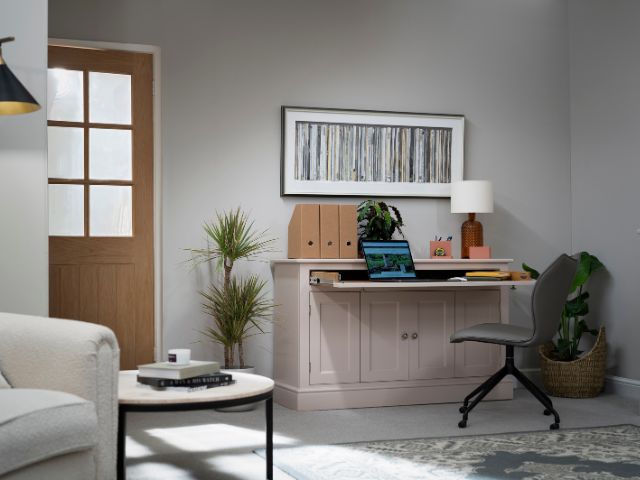
Chloe recommends introducing pockets of soft light instead of the harsh, overhead big light.
“When it comes to embracing analogue interiors lighting shouldn’t be an afterthought,” she emphasises. “Soft lighting can really help to set an overall calming tone in a room, and create an inviting atmosphere for guests.”
Caroline suggests incorporating a more layered approach to lighting.
“Layered lighting schemes play an essential role, with discreet picture lights, softly illuminated shelving and coffered ceilings inset with subtle LED detailing contributing to a sense of depth, warmth and visual interest,” she says.
“These thoughtful compositions naturally invite conversation and encourage gathering, restoring a sense of ritual to shared time at home, while gentler ambient illumination replaces harsher overhead fixtures to create an atmosphere that feels intimate and restorative.”
Chloe recommends pairing overhead lighting with a floor lamp to create a soft, golden glow and mixing in different shapes and sizes of candles with warm-toned table lamps to act as a cue to unplug for the evening ahead.
“These lighting schemes can be easily and affordably applied to any room, and work especially well for living rooms and bedrooms,” she adds.
Incorporate a calming colour palette
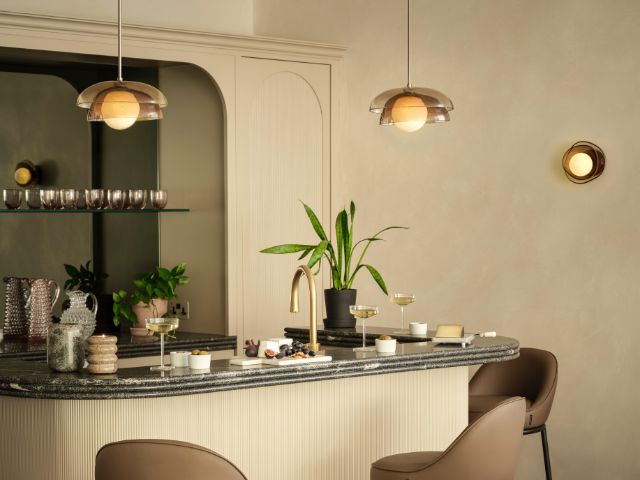
Choosing a gentle, pared-back colour palette – chalky whites, warm taupes or muted botanical shades – instantly softens a space, reducing visual clutter and echoing the slower, more considered feel of analogue living.
“Whether it’s a soft, clay throw draped over a white sofa or an organic olive green tablecloth placed neatly across a dark mahogany table, using neutral colours that represent earthiness helps to enhance the feeling of offline living,” Chloe explains.
“Even small touches of natural colour, such as adding a floor plant or a hanging basket with overflowing greenery in living areas can help reinforce analogue living in the home,” she adds.
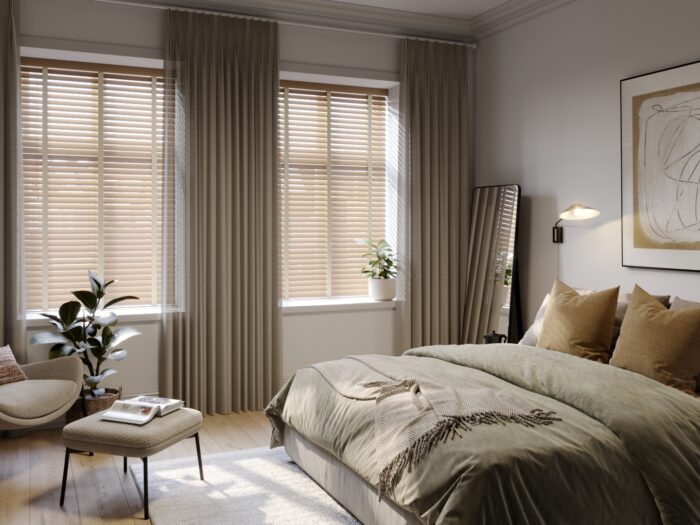
Tone down the tech in the living room
Turning your living room into a tech-less zone is a simple yet effective way to embrace analogue interiors, encouraging conversation, reading and slower, more intentional living.
“The traditional sitting room is experiencing a considered revival” explains Caroline.
“Once eclipsed by expansive open plan layouts and media-led family areas, it is re-emerging as an intimate and purposeful setting for evenings spent together.”
Whether it is a full living room transformation or a smaller scale intervention, such as introducing a quiet corner anchored by a favourite armchair, a table lamp and a beautifully textured rug, Caroline says these considered additions can foster an inviting place to truly switch off.
“Attention is shifting towards architectural and artistic elements that lend permanence and character,” she adds.
“From sculptural fireplaces and statement artwork to bespoke joinery and carefully framed views.”
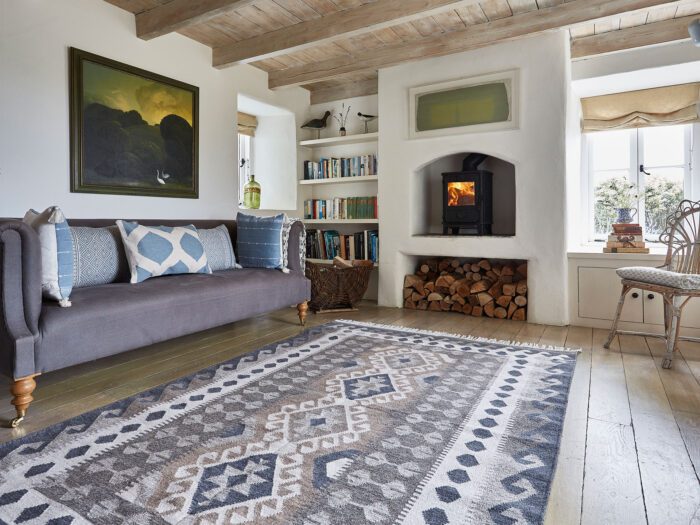
Make your coffee table and sofa a place to gather
Once considered more of a ‘spot to put your coffee’ afterthought, the coffee table has been reinvented as centrepiece around which to gather.
“It is not only the overall living room layout that is evolving,” explains Caroline.
“Large, purposeful coffee tables are once again becoming central features, offering space for board games, jigsaws, and relaxed family evenings.”
Sofas are also being chosen not only for comfort but for their ability to anchor conversation, with lower profiles allowing for more open sight lines, deeper seats, softer silhouettes and refined upholstery that invite people to truly settle in rather than perch momentarily.
“We’re also seeing a renewed emphasis on tactile materials and layered textures such as timber, stone, boucle and linen, which introduce warmth and sensory richness in place of digital stimulation,” Caroline continues.
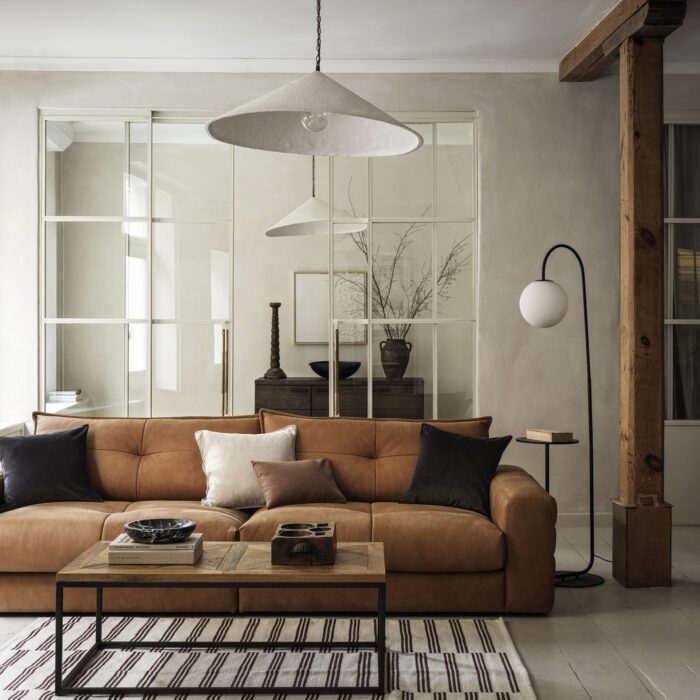
Incorporate a hobby zone
Creating a room to indulge your hobbies adds to the analogue feel of a home – building in quiet corners designed for taking time to appreciate the simple pleasure of spending time offline.
“The studio has noted growing demand for dedicated music rooms and creative retreats, where analogue pastimes such as playing instruments or curating vinyl collections provide a welcome counterbalance to digital life,” explains Caroline.
“These rooms are being conceived not simply as functional areas, but as deeply personal environments that celebrate craftsmanship, acoustics and atmosphere.”
If space doesn’t allow for an entire room carving out a quiet nook for reading or journaling can be just as effective.
“A reading nook is so much more than just a cosy corner,” interior designer, Milena Vallier from My Bespoke Room previously told Good Homes.
“It’s a retreat from the fast-paced, tech-filled world.
“By creating a dedicated zone away from screens and outside noise, a reading nook encourages a slower, more mindful pace of life, helping you truly disconnect and recharge.”
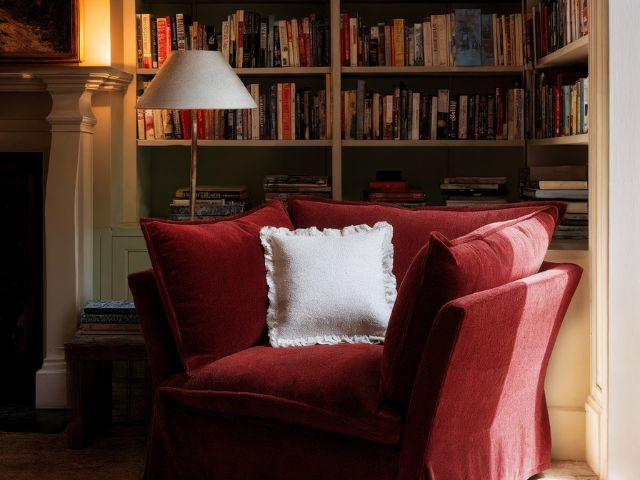
Pay attention to the smaller details
Namely layout and styling. “Pay attention to how each piece is positioned within the space,” the interior experts from DFS advise.
“Placing a coffee table and footstool close to the sofa creates a cocooned, intimate layout where everything feels within easy reach.”
Details such as wood panelling on a sofa arm, a tactile bouclé footstool, or a textured marble-effect tabletop adds depth and further enhances this cosy aesthetic.
“Finally, tie the look together with thoughtful styling details,” the DFS experts continue.
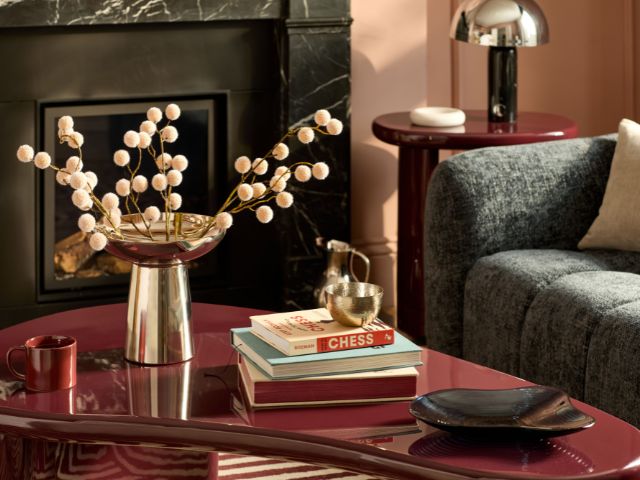
“Dress coffee tables with candles, ceramics and books in varying heights to add personality and a sense of lived in ease.
“Mirror the room’s colour palette through warm toned glassware and handmade ceramics to elevate your everyday setting, whilst maintaining that grounded earthy feeling.”
Hide your TV
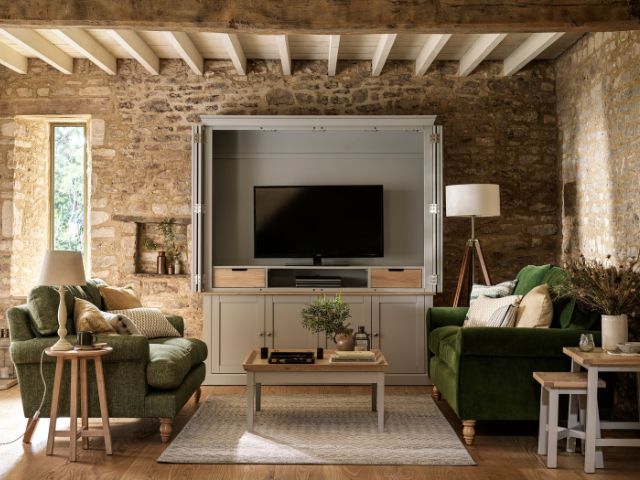
Going analogue at home doesn’t necessarily mean getting rid of all technology. If you’re not ready to give up the Netflix binges just yet there are some clever ways to hide the TV.
“Where a television is still desired, it can be discreetly concealed within bespoke cabinetry, or integrated through art-display technology so that, when not in use, it enhances the aesthetic of the room rather than detracting from it,” advises Caroline.
Want more inspiration? Read: Wuthering Heights interiors: 8 ways to get the romantic gothic look at home or Heritage maximalism and 7 other interior trends set to dominate 2026
READ MORE: