


4 decorating mistakes that stop your home feeling cosy this winter
New research from radiator specialists BestHeating found that 78% of adults adapt their homes with seasonal trends when autumn and winter arrive.
From adding throws and blankets (50%) and incorporating softer lighting (25%) to opting for warm neutral colour schemes (16%) and keeping rooms at the perfect temperature of 20°C (20%).
However, 84% of those households that adapt their homes also admit they often overlook the importance of layering and texture when redecorating for winter.
Failing to consider how these elements work together could leave homes feeling less warm, comfortable and inviting than intended.
Four winter decorating mistakes
1. Ambient warmth – relying on a single light source
Read on to discover four common mistakes people are making from Sanel Konyar, founder of luxury interiors studio Interior Kollection.
Lighting has a significant influence on the mood of an interior, but depending on one warmer fixture can still create a stark environment that lacks subtlety.
Sanel advises homeowners should avoid a single overhead light. Instead recommending lamps and wall lights at different hights, with warm white bulbs around 2,700k.
Ideally put lights on dimmers so you are able to lower the light as the evening goes on.
She explains: “Warm, low light makes a room feel smaller, softer and more intimate, which is exactly what we want in winter.
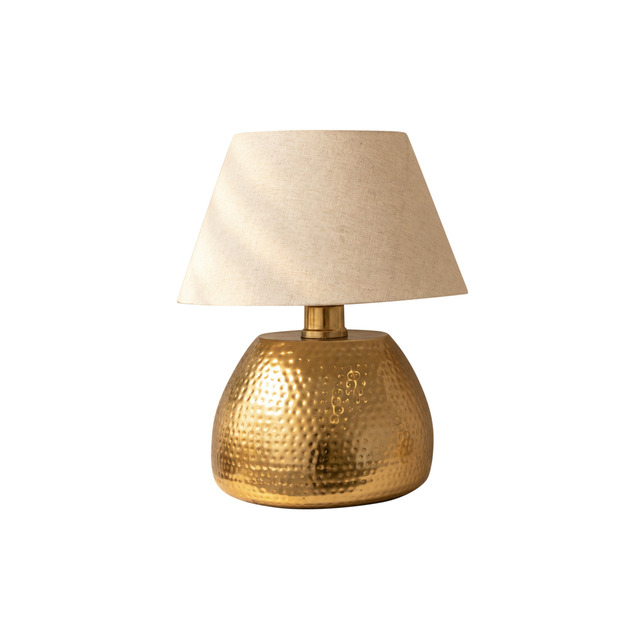
- Extra large round hammered gold table lamp with ivory shade, £89.95 – buy here
2. Visual warmth – using a limited colour palette
Sticking to a limited neutral colour palette can leave an interior looking flat and one-dimensional, so Sanel advises on other shades to consider.
She also recommends placing importance on the accenting and finishes of a colour.
She adds: “Terracotta, clay, burnt orange, deep red, mustard and chocolate brown can all feel warm, as do creamy neutrals like oatmeal and stone.
“Olive green and aubergine can also work well as deeper accents.
“Choose matte or eggshell finish rather than gloss, which can feel cooler, and repeat each colour a few times in the roo so it feels intentional.”
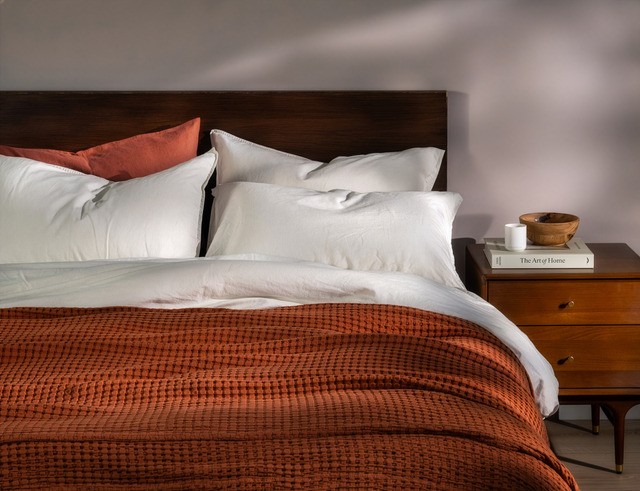
- Burnt orange waffle bedspread, £65 from Soak&Sleep – buy here
3. Tactile warmth – overlooking a mix of materials
Relying on a single throw or blanket can leave an interior lacking depth.
It’s best to layer a variety of fabrics and materials to create a rich and luxurious space.
She comments: “Wool, sheepskin, velvet and heavy linen all feel warm and help to hold heat in.
“Timber and leather have a warmth that glass, chrome and stone do not.
“So it’s best to consider natural materials alongside your soft furnishings, as this introduces extra comfort through earthy textures and characterful appearance.”
4. Physical warmth – heating home inefficiently
John Klee, heating technology expert at BestHeating explains: “One of the biggest mistakes households can make during the winter is not considering how to use their central heating efficiently.
“Rooms have differing heating requirements, so it’s best to tailor temperatures to how the space is used.
“For example, living rooms typically benefit from a temperature of around 20°C, whereas bedrooms should be slightly cooler at around 18-19°C, as our body temperature naturally drops as we prepare for sleep.
“Practical changes like using a smart thermostat make it much easier to manage these conditions and schedule your heating around daily routines.
“It’s also worth considering how you arrange your furniture.
“As placing large sofas directly in front of radiators, or allowing heavy curtains to cover them can restrict heat circulation.
“Making a few adjustments to the layout of a room can help warmth to distribute more evenly, creating an environment that feels snug and cocooning.”
READ MORE