


4 jobs to do in the garden this winter – and what not to do
The new year is here, and despite the cold weather, there is still plenty to do in the garden.
January is a great time to clean up your outdoor spaces and take stock of what needs doing ready for the spring.
We have spoken to the experts to get an outline of the jobs you can tick off your list in January to get yourself ahead of the game in the garden for the upcoming year.
Blowing away the cobwebs (and any snow)
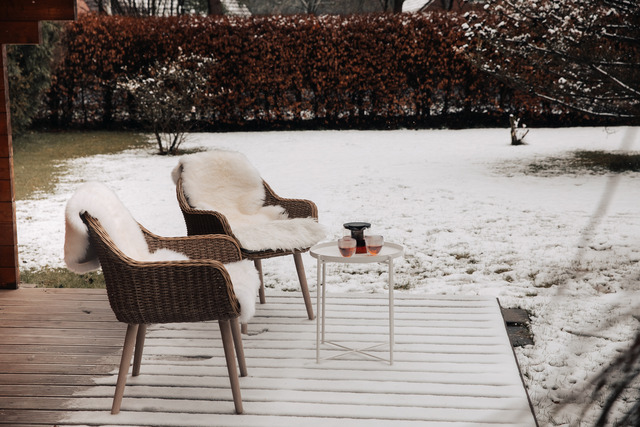
Much of the UK has had a sprinkling of snow and frost over the last week or so, so clearing any residue away (once it’s safe to do so) is a great place to start.
Peter Chaloner, managing director of Cobra Garden adds: “It’s likely that work in the garden has been minimal over the past few weeks.
Even those of us with the greenest fingers weren’t likely to be pruning and cutting back on Christmas Day!
“One of the first gardening jobs of the year could therefore be to have a tidy up and remove any debris, particularly from the grass to avoid it becoming severely damaged.
“If you have experienced snowfall already this year, your garden could do with some extra TLC. Snow on lawns can cause the grass to suffocate, starving it of light and oxygen it needs to survive.
“It can also create a damp environment, and the roots and soil are more likely to have frozen.
“Therefore, giving nowhere for excess water to run to and therefore increasing the risk of nasty diseases developing.
“Brushing and raking snow from frozen lawns can easily cause the blades of grass to split, potentially damaging routes.
“This means a gentle approach is crucial.
“The Cobra Garden BV6040VZ Cordless Blower/Vac makes light work of clearing medium to large areas with its 40V battery and won’t damage the delicate blades.
“Plus, with its ergonomically positioned ‘quick exchange’ lever, you can convert it from a blower to a vacuum in an instant.
“So, once the snow has been removed from lawns, if there is any loose debris hiding underneath, you can quickly and conveniently collect that up too!”
Pruning dormant plants and trees
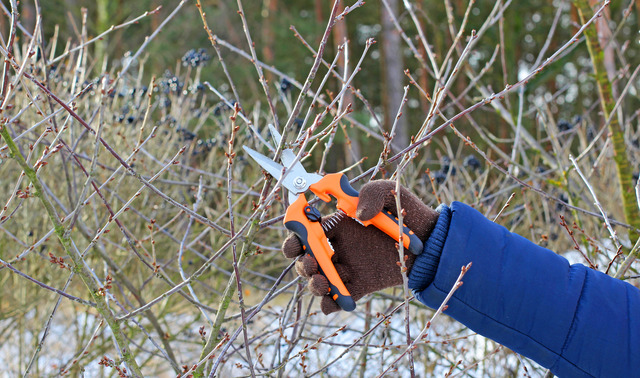
Pruning is crucial for producing healthy plants and trees, and during the winter many are dormant so it’s the perfect time to cut them back.
Peter explains: “Dormancy also allows you to assess the health of your plants and trees.
“This will mean they can be pruned accordingly, giving them the best chance of blooming.
“Winter pruning is best suited to roses, clematis, apple and pear trees, as well as grapevines, wisteria and deciduous ornamental trees and shrubs.
“Most trees should be regularly pruned to remove any damaged or diseased wood too ensure it stays healthy and grows vigorously.”
Give wildlife a home
Peter continues: “After pruning, make sure to put any unwanted logs of wood or thicker brances to one side.
“Stack them together behind shrubs or at the back of borders to create the perfect shelter for wildlife.
“Bugs, birds and other creatures will still be outdoors bracing the cold and looking for shelter.
“So, using branch cut-offs and wood will give them a nice, warm home against the harsh elements.”
Shred any excess waste
Obviously a big part of welcoming wildlife to your garden is helping to create habitats for them.
However, if you have any branches, logs or waste left over you can shred them into smaller pieces.
Peter explains: “These will make great mulch come growing season.
“Shredded wood materials make an excellent mulch for plants, and when mixed with nitrogen-rich grass cuttings once grass is growing again.
“It can also be used as compost to help other areas of your garden to flourish.
“Be careful not to include any diseased branches when shredding undamaged debris though, as this could cause the disease to spread.”
What not to do in January
Once you get started on garden jobs, and can be tricky to know when to stop and what really is best to leave until the weather is better.
Peter adds: “Avoid heavy digging or turning over frozen soil, as this can damage soil structure and the roots of any winter-hardy plants.
“It’s also wise not to fertilise lawns yet, as the cold ground can prevent nutrients from being absorbed effectively and could even encourage premature growth that gets damaged by frost.”
READ MORE: