


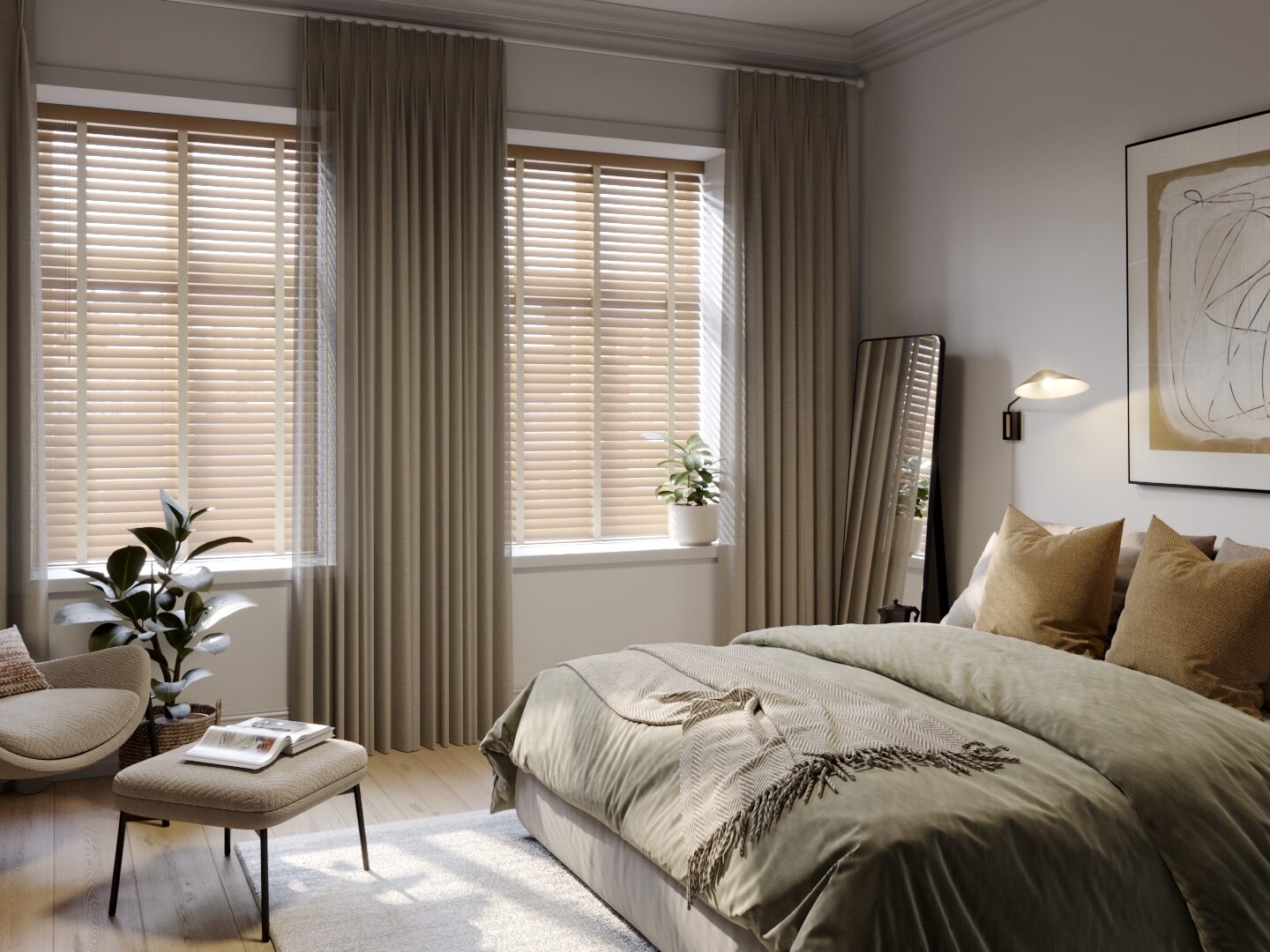
Image Credit: Swift Direct Blinds
Tackling the chairdrobe and 9 other ways to reclaim your bedroom
No matter how carefully we style our homes and curate our interiors, the bedroom has a habit of becoming an unofficial dumping ground.
From the ever-growing chairdrobe – that faithful perch for half-worn jumpers and “not quite ready for the wash” jeans – to bedside tables overflowing with stuff you can’t find a place for, clutter seems to creep in quietly and stick around.
New research by Roseland Furniture, reported via Psychreg, estimates 18.8 million UK households need to declutter, with clothing the biggest culprit for 47% of respondents.
Meanwhile a survey by Bensons for beds found that 39% of Brits rated their bedroom’s “clutter score” between 7 and 10 on a scale.
But that build up of stuff in a room that’s meant to be an end-of-the-day sanctuary can impact us more than we realise.
According to a report by King’s College London and UCL, clutter is associated with increased levels of the stress hormone cortisol, which is known to contribute to anxiety.
While further studies link clutter and disordered bedrooms with increased stress, anxiety, and disrupted sleep, as well as impaired concentration.
The good news?
With a few smart decluttering strategies, it’s entirely possible to reclaim your bedroom.
And, as we head into the festive season (AKA frazzle season), now is the perfect time to bring order back to the boudoir and welcome the holidays with a clearer space and a calmer mind.
Tackle the chairdrobe
That ever-growing pile of “not dirty but not clean either” clothes discarded on a chair at the end of the day has become a permanent fixture in boudoirs across the UK.
But an ever increasing chairdrobe is often the first sign that bedroom clutter is getting out of hand.
“We’ve all been there,” says Andrea Lewis, founder of The Organised Curator.
“You walk into your bedroom after a long day, spot your favourite armchair in the corner, and drape your outfit over it. Fast forward a week, and that chair has transformed into a mountain of clothes.
“What seems like a harmless shortcut quickly spirals into clutter, creases, and frustration.”
But there are some simple steps you can take to tackle the chairdrobe starting with…

Assessing your wardrobe capacity
Overflowing chairs are often a sign that your wardrobe is full, and clothes have no proper home.
“Before tackling the chair, take a hard look inside your wardrobe,” advises Andrea.
“Sort items by category and assess whether you’re keeping pieces that are rarely worn.
“Creating extra space inside your wardrobe will reduce the need for temporary storage on chairs and will make your existing clothes more accessible and organised.”
Andrea suggests donating or storing items you haven’t worn in the last six months.
“A seasonal rotation can create instant breathing room and cut down on chairdrobe clutter,” she adds.
Once you’ve reduced your clothing collection it’s time to get it sorted.
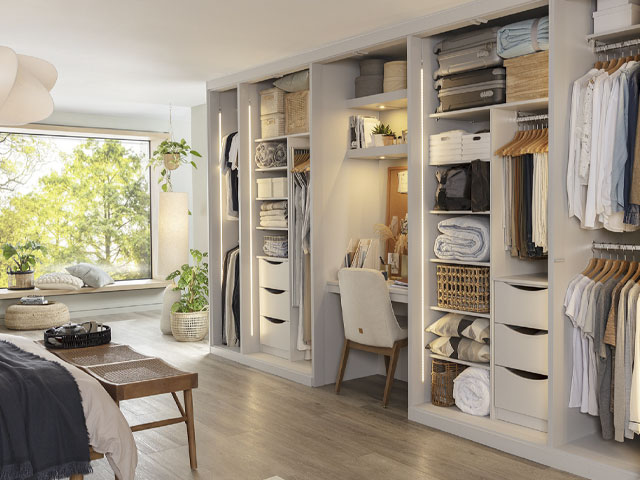
“Doubling up hanging space, adding adjustable shelves, or using pull-out racks for trousers and shoes makes it easier to see everything,” advises Darren Morley, storage expert and managing director, The Mirror Man.
“Wall-mounted bedside shelves free floor space in tighter rooms, and a storage headboard with cubbies keeps the usual bedside clutter controlled.“
Air and hang instead of piling
Clothes draped over a chair lose shape, get creased, and can start to smell if left too long.
Instead, Andrea recommends hanging them up on a hook or hanger to let them air.
“This approach keeps garments fresh for a second wear while keeping your space tidy,” she explains.
“A chair should be a place to sit, not a storage unit, and adopting this simple habit protects both your clothes and your home aesthetics.”
To help overcome the chairdrobe temptation Andrea recommends investing in a few stylish wall hooks or a freestanding valet.
“Limit each hook to one or two garments to prevent them from becoming clutter magnets,” she adds.

Limit daily chair usage
If you must use your chair to fling an outfit, Andrea advises setting a strict limit of one or two items at a time.
“Anything beyond that, and you’re slipping back into clutter territory,” she says.
“Be conscious of the habit forming and check in with yourself daily.
“A small change in routine can drastically reduce visual chaos and make your space feel calmer and more intentional.”
To really cure the clutter habit Andrea suggests starting a nightly tidy ritual.
“Spend five minutes each evening returning clothes to their proper place,” she says.
“Over time, this habit prevents the chair from becoming a permanent wardrobe substitute.”

Clear other surfaces to prevent overflow
Andrea says the principle of preventing the chairdrobe should apply to the rest of your bedroom. “Overrun surfaces often indicate storage issues elsewhere,” she explains.
“If clutter accumulates, look to introducing cupboard and storage solutions first.
“Out of sight truly is out of mind – and it makes the space feel instantly calmer and more functional.”
Once you’ve tackled the chairdrobe Andrea recommends setting aside a box or basket in each room for temporary storage and committing to clearing it weekly.
“This prevents clutter from spreading and keeps your home feeling organised and serene.”

Apply the principles of Feng Shui
Applying a few principles of Feng Shui can make decluttering feel more intentional and help you reclaim your bedroom as a restorative space.
“Your bedroom is the most energetically important space in your home because it’s where your body repairs, your mind unwinds and your nervous system finally slows down,” explains Kimberley Gallagher, Feng Shui expert and author of The Calm & Happy Home.
“If this room is cluttered or holding on to old emotions, you will feel it instantly – in your sleep, in your stress levels and in your sense of balance.
“But when the energy in your bedroom is clear and intentional, everything shifts.
“You rest more deeply, you wake up lighter and your whole home starts to feel calmer.
“Small changes in this one space can have a remarkable ripple effect on your wellbeing.”
Kimberley has some tips for restoring positive vibes to your bedroom space, starting with clearing out anything that holds old or heavy energy.
“Objects linked to stressful periods, past versions of yourself or emotionally draining moments keep stagnant energy circulating,” she says.
“Removing them immediately lifts the feel of the room.”
She also suggests keeping the area under your bed completely clear.
“Clutter beneath the bed blocks restful energy and can subtly disrupt sleep,” she says.
“Keeping this space open – or reserved only for soft, sleep-related items – supports deeper rest and a calmer mind.”
Incorporate storage that multi-tasks
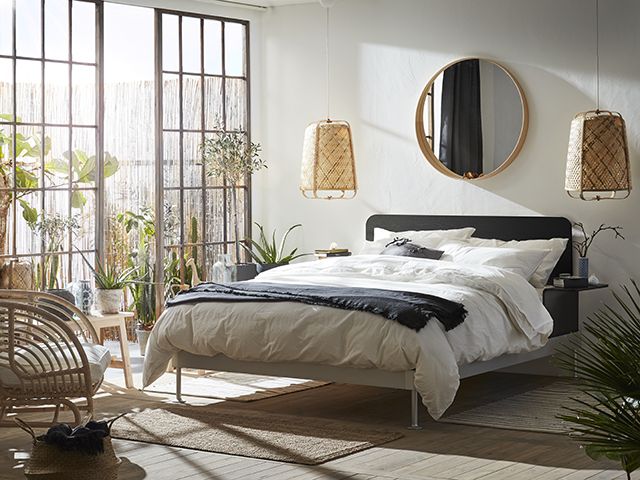
From ottoman beds that lift up, to bedside tables with hidden compartments, smart, multitasking storage makes it easier to keep clutter under control by giving every item a practical, easily accessible place to live.
“A bed with drawers or a lift-up ottoman hides the bulkier stuff like spare bedding and out-of-season clothes, and a storage bench or lidded ottoman at the foot of the bed gives you a seat and a discreet place for blankets,” advises Darren.

Go vertical
Walls help you free up space as well.
“A couple of shelves above bedside height or a slim peg rail for bags, scarves or robes stops everything ending up on the chair,” advises Darren.
“Hooks behind the door or a hanging organiser inside the wardrobe add capacity and don’t crowd the room either.”
Curate a dressing zone
Clear the clutter from your dressing table and turn it into a dedicated dressing zone that’s both functional and visually calming.
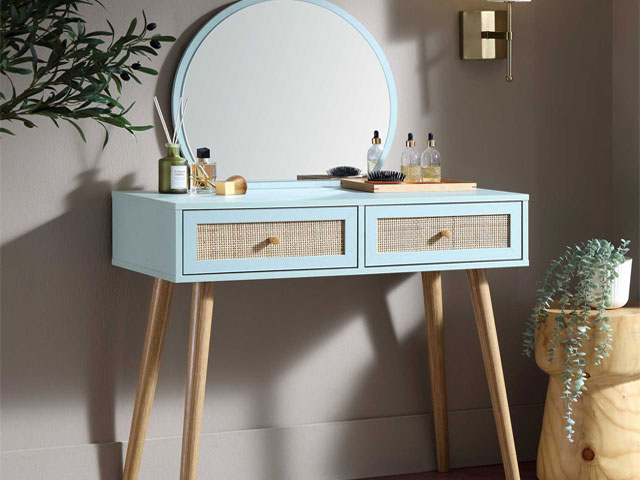
“Treat the dressing table like a simple get-ready station,” advises Darren.
“Keep only everyday items on top in a shallow tray and group everything else into drawers with small inserts.
“A heatproof mat and a cable tidy keep hair tools under control.”
Darren says going vertical helps here too.
“A slim shelf above the table holds perfume or skincare and frees the work surface,” he explains.
“If you sit at the dressing table, using a storage ottoman instead of a plain stool lets you tuck brushes or hot tools out of sight,” Darren continues.
“Clear labels inside drawers mean anyone else in the house can put things back properly, and a quick weekly refresh keeps your order going.”
Adopt new keep-it-clear hacks
Once the room is reset, small habits stop the clutter creeping back.
“A quick five-minute tidy before bed, a valet hook for the next day’s outfit, and a divided laundry basket all help,” suggests Darren.
“Even something as simple as a tray by the bed for glasses or hand cream keeps the surfaces from filling up again, and sticking to a one-in-one-out rule for clothes and cosmetics keeps your things manageable.”
Take a look at 12 ways to autumn-scape your home for the new season or Cafécore interiors – 10 design ideas to capture the charm of your favourite coffee shop at home. And check out The Downton Abbey effect: 10 ‘Regencycore’ interior ideas that work in real homes
READ MORE: