



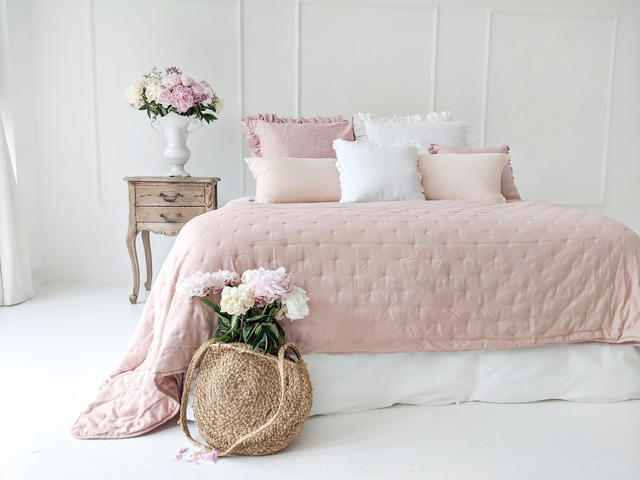
Revealed: these areas of your bedroom harbour the most bacteria
Our bedrooms are one of the most important spaces in our homes, with Brits spending 27 years on average in bed during the average lifetime.
We also spend around seven years of our lives just trying to get to sleep, and even longer relaxing in our bedrooms before settling down.
As we spend so much time in our bedrooms, it’s no surprise that our bedrooms can become a hub for bacteria, particularly in areas you don’t expect.
Sleep expert at Mattress Next Day, Martin Seeley reveals the dirtiest places in our bedroom and how to clean them.
1. Mattress
Things that you use every day like a bath tray or kitchen utensil is cleaned regularly without question, and yet despite sleeping on them every night – mattresses get neglected.
Martin explains: “Recent studies have shown that the average mattress contains up to 10,000 dust mites.
“These are practically invisible to the naked eye and feast on dead skin as we shed and flourish in warm, moist conditions.
“These dust mites can produce more than 2 million droppings, which are known to aggravate allergies.
“In many cases, it’s the enzymes released in dust mite droppings that cause or inflame certain allergic reactions – particularly asthma or other breathing problems.”
Most manufacturers recommend giving your mattress a once over at least twice a year, though doing it more frequently won’t cause harm.
We recommend a seasonal clean every three months as this tends to be when you’ll need to flip or rotate a mattress, too.
Martin adds: “Airing your mattress regularly is a great way to eliminate dust mites and odours.
“Every morning, turn back your covers rather than making the bed to let your sheets breathe.
“Then, when you change the bed, leave the mattress to air for at least 30 minutes before putting on new sheets.”
A vinegar spray is another way too repel dust mites, bed bugs and other allergens.
The acidity in vinegar acts as a deterrent, and mixing with some water and a few drops of essential oil will leave your bed smelling fresh.
Lavender is a great choice for a sleep-enhancing scent, or tea tree oil will definitely deter bed bugs!
Distilled white vinegar is best, and the solution should always be sprayed rather than poured over the mattress.

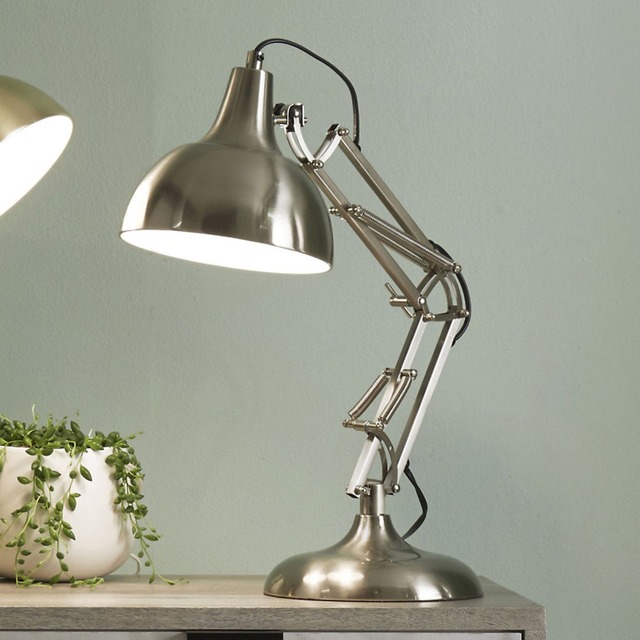
2. Light switches, lamps and fan controls
Light switches are known as a high touch surface, which means they are touched frequently multiple times a day.
Despite this being the case, a recent survey found that one fifth of Brits clean them just once a year or even less!
Martin shares: “Light switches are one of the first things we touch in the morning, and one of the last we touch before going to sleep.
“The lack of cleaning occurring means they can harbour skin bacteria like Staphylococcus and Streptococcus and even E. coli if hand hygiene is neglected.
“Lamp touchpoints can be even more overlooked than wall lights, especially if the switch is hidden or tucked under the rim.
“This can also be the case for fans. Regularly wiping down wall switches, lamp and fan controls with a mild disinfectant spray will reduce the germ build-up and keep the bedroom clean and inviting.”
3. Headboards
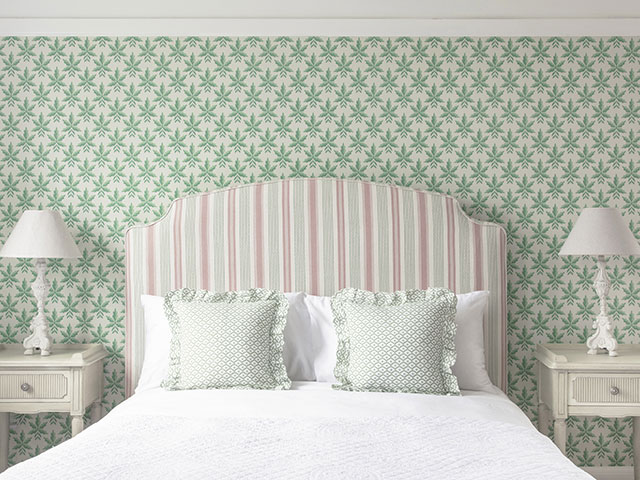
As one of the closest surfaces to where we rest, headboards are crucial to keep clean. However, one in three admit they’ve never cleaned theirs!
Fabric headboards in particular can be the worst offenders for harbouring bacteria, often trapping dust, skin flakes and oils from our hair and skin.
This means they can even become a breeding ground for mould.
Martin explains: “Many of us are guilty of sitting in bed with wet hair wrapped in a towel after a shower, but what you might not realise is that this can encourage mould growth over time, especially on fabric, upholstered or wooden headboards. These mould spores can worsen allergies and breathing difficulties, making a good night’s sleep even harder.
“Headboards are also a common hiding spot for bed bugs.
“Wiping down solid headboards with a mild disinfectant and hoovering fabric will help reduce the risks of bacteria, dust and mould, and could help to discourage bed bugs.”
4. Blankets and throws
As we venture in autumn, the Met Office continue to issue more frequent rain and thunderstorm warnings – meaning we’re reaching for those extra layers overnight.
While duvets are usually regulars in the washing machine, blankets and throws can be overlooked, with 36% of Brits confessing to washing their blankets just once a year.
Martin shares: “In the same way that our duvets, sheets and pillowcases absorb sweat, dead skin cells and body oils, so do blankets and throws.
“This then makes them ideal for bacteria and dust mites to build up.
“As we wrap up more at night during the winter months, this can lead to increased sweat production and therefore worsen the bacteria count.
“As blankets and throws are often kept close to our faces during sleep, they can trigger allergies and breathing issues if they aren’t regularly washed.
“We recommend washing them once a week with the rest of your bedding to keep your sleep environment clean, comfortable and restorative.”

5. Hot water bottle covers
When it gets colder, some of us may opt for a hot water bottle over an extra blanket.
This can be an economic option if you’re not quite ready to switch the heating on just yet.
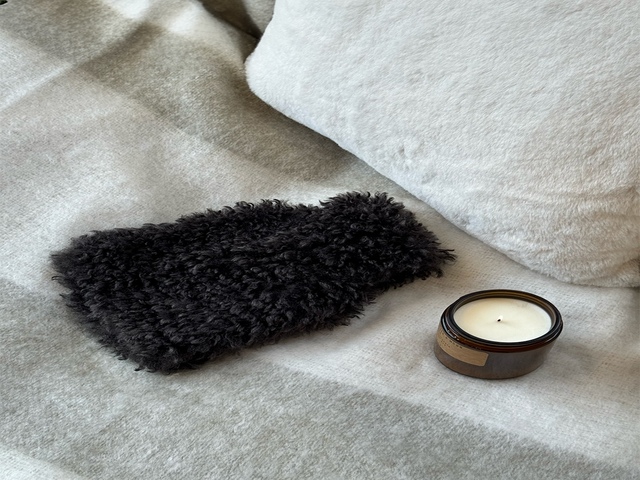
Hot water bottles often have soft, fabric covers, which can absorb the sweat and oils from our skin, as well as any small water leaks.
The resulting dampness creates the ideal environment for bacteria and mould to thrive.
Martin adds: “As the evenings get colder, hot water bottles reappear in our bedtime routines.
“While they’re refilled regularly, the fabric covers and the bacteria they can harbour are largely ignored, and most of us have probably never washed our hot water bottle cover.
“Check the specific instructions for your hot water bottle cover, but most can be washed alongside pillow cases and sheets on a gentle cycle.
“For fur, fleece or knitted covers, a mild detergent at 30 degrees is usually safe.”
READ MORE: