


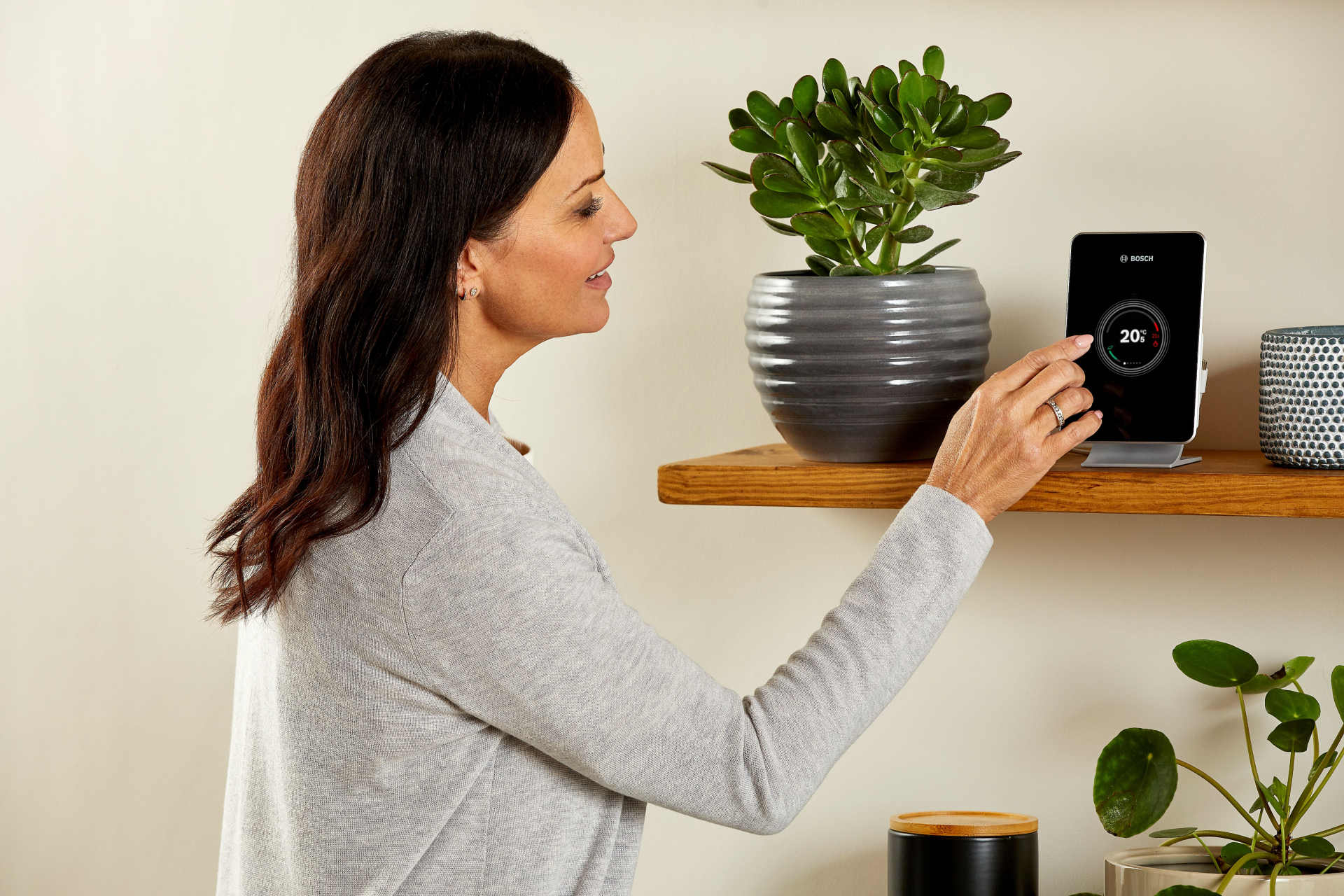
Simple ways to keep your home warm while saving money this winter
Keeping your home warm during the colder months can put pressure on your household finances, particularly when heating and hot water account for a significant proportion of everyday energy use. But saving money does not have to mean turning the thermostat right down or sacrificing comfort.
Instead, a few small changes around the home can help households reduce energy use without making daily life noticeably less comfortable. From spending less time in the shower to making better use of heating controls, these simple tips from the Energy Saving Trust could make a difference to household bills this winter.
The key is to focus on practical changes that are easy to introduce and can become part of the everyday routine.
Spend less time in the shower
A long, hot shower might be tempting on a cold winter morning, but cutting shower time is one of the simplest ways to use less hot water.
According to the Energy Saving Trust, spending just four minutes in the shower could help a typical household save up to £40 a year on energy bills.*
There is no need to abandon a relaxing shower altogether. Instead, try setting a four-minute target. Choosing a favourite song that lasts around four minutes can even turn saving energy into a simple daily challenge for the whole family.
*Savings vary. Estimated GB figure source from Energy Saving Trust July 2026, based on a typical three-bedroom semi-detached house in on a standard energy tariff and paying by direct debit
Turn off the tap
Small habits can add up, and remembering to turn off the tap while brushing teeth or applying soap is a straightforward place to start.
A typical household could save up to 9,000 litres of water a year by avoiding unnecessary running water, according to the Energy Saving Trust.*
Reducing water use can also mean less water needs to be heated, making this a useful habit for households looking for simple ways to cut their overall energy consumption.
*Estimated figure from the Energy Saving Trust, September 2025.
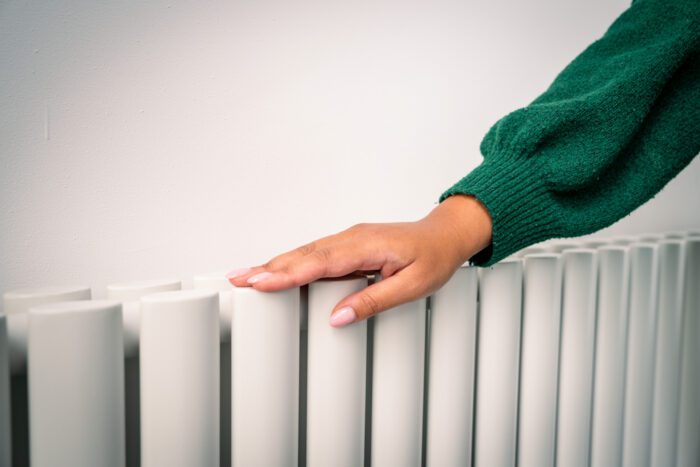
Bleed your radiators
If some radiators are taking longer to heat up than usual, or the top feels cooler than the bottom, it could be time to bleed them.
Air can become trapped inside a radiator, preventing it from heating properly. Bleeding a radiator is a relatively straightforward household task that can help your heating system distribute warmth more effectively.
It is worth checking radiators before the colder weather arrives, particularly if the heating has not been used for several months.
For guidance, Worcester Bosch provides a step-by-step guide on how to bleed a radiator.
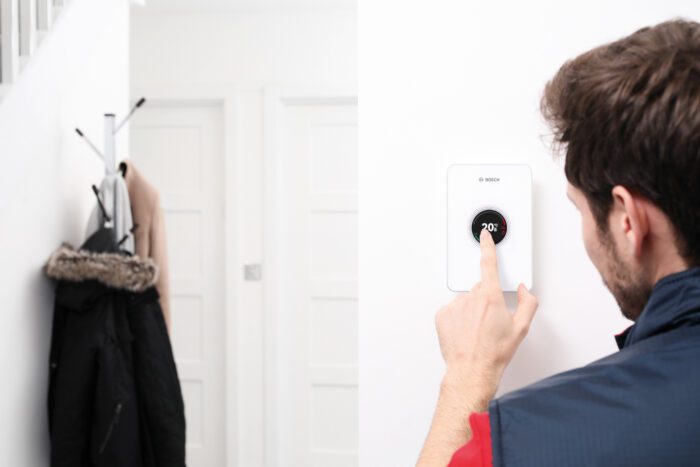
Turn the thermostat down slightly
For many households, lowering the thermostat by just 1°C could make a surprisingly noticeable difference to annual heating costs.
The Energy Saving Trust estimates that reducing the thermostat by 1°C could save around £120 a year on gas bills.* Most people find a room temperature of between 18°C and 21°C comfortable, although the ideal setting will vary between households.
Rather than making a dramatic change, try lowering the temperature gradually and seeing how the household responds. A one-degree adjustment may be enough to reduce energy use while still maintaining a comfortable home.
*Estimated GB figure from the Energy Saving Trust, February 2026.
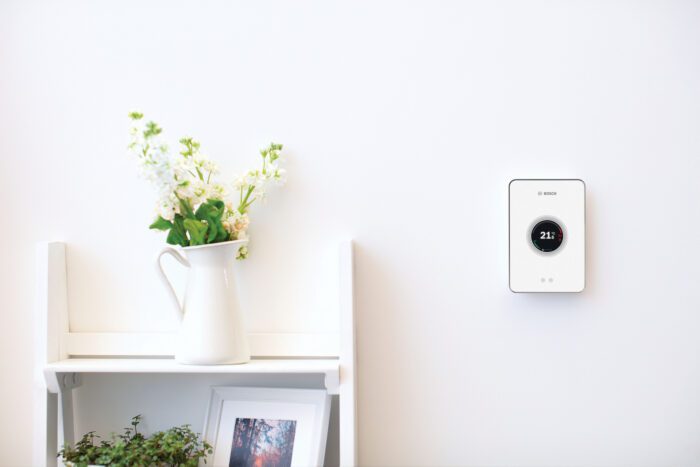
Make better use of heating controls
Heating controls give homeowners greater control over when and where their heating operates.
A programmer can be used to set heating schedules, while a room thermostat controls the temperature. Thermostatic radiator valves (TRVs) can then be used to adjust individual rooms according to how they are used.
According to the Energy Saving Trust, installing and using a programmer, room thermostat and TRVs could save around £100 a year on gas bills.*
For example, there may be little reason to heat an empty bedroom to the same temperature as a busy living room. Setting heating to come on when the family actually needs it can help avoid unnecessary use while maintaining comfort where it matters most.
*Estimated figure from the Energy Saving Trust, May 2026.
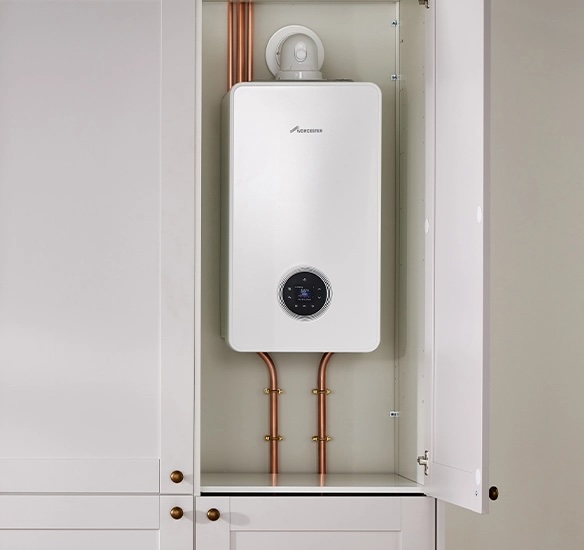
Is it time for a boiler upgrade?
Sometimes, the most effective way to improve a home’s heating is to consider replacing an older boiler.
For homeowners who have been putting off an upgrade, winter can be a useful reminder to assess whether the existing system is still meeting the needs of the household. Older boilers can also be more costly to run than newer models.
The Energy Saving Trust estimates that replacing an older G-rated boiler with a modern A-rated boiler alongside full heating controls could save up to £500 a year on energy bills.*
Of course, the potential savings will depend on the property, existing heating system, household usage and energy prices. Anyone considering a replacement should seek advice from a registered gas installer to determine which boiler and controls are appropriate for their home.
*Estimated figure from the Energy Saving Trust, May 2026.
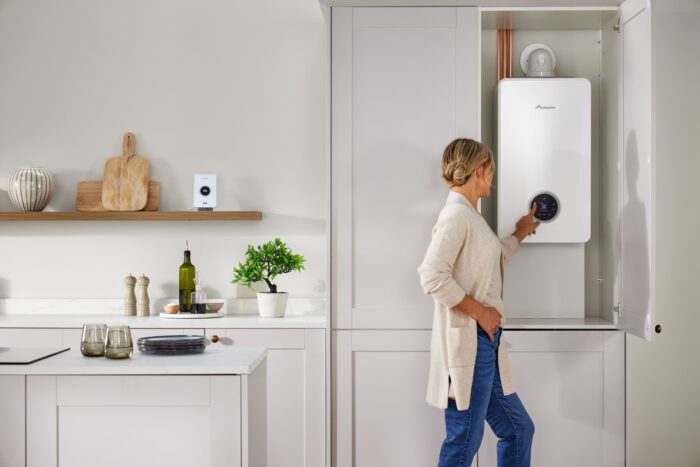
Small changes can make a difference
Reducing household energy use does not necessarily require major lifestyle changes. Shorter showers, turning off taps, maintaining radiators and making better use of heating controls can all contribute to more mindful energy use.
For families, these changes can also become everyday habits rather than one-off measures. The result is a home that remains warm and comfortable while everyone becomes more aware of how energy is being used.
For homeowners considering a larger heating upgrade, Worcester Bosch offers a range of boilers designed for different property sizes and household requirements. From compact options for homes where space is at a premium to larger systems designed to meet the demands of busy families, the right heating solution can help provide reliable warmth and hot water throughout the colder months.
With a combination of sensible household habits, appropriate heating controls and, where necessary, a modern boiler, homeowners can take practical steps to manage their energy use without giving up the comfort of a warm home.