



The best time to wash your clothes to keep allergies away
Spring is on the horizon, and while we’re excited for brighter days and freshness, we’re not looking forward to the return of our hayfever and other allergies.
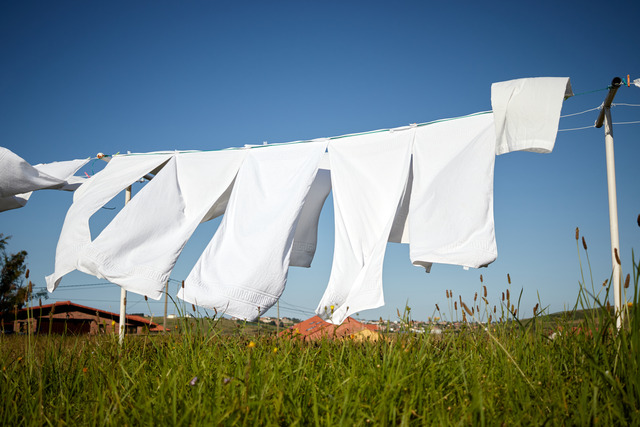
Hanging washing outside is a big indicator of springs arrival, but it can also bring a rise in allergies due to pollen and other allergens
With hayfever season arriving earlier than expected due to more mild, drier weather earlier than expected after weeks of heavy rain, pollen levels are already high.
Hayfever impacts almost 10 million people in England alone, with the numbers increasing year on year.
We chatted to allergy expert and pharmacist, Deborah Grayson and leading appliance brand, Hisense to share simple lifestyle tweaks that can help to keep allergens away this season.
1. Opt for the tumble dryer over drying on the line
Hanging washing on the line during high pollen season means the clothes act as a pollen net – with the fabrics trapping microscopic particles easily.
This is especially the case when it comes to towels and bed linen.
Deborah explains: “When you bring your laundry inside, you bring those allergens straight into your living space and for sensitive individuals, that’s enough to trigger hours, if not days, of dreaded symptoms.
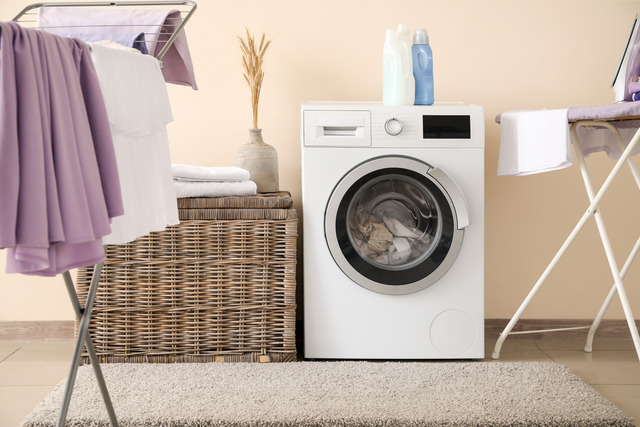
“To avoid this, drying clothes and bedding in a tumble dryer eliminates the build-up of pollen compared to drying outside, as there’s no pollen exposure at all.
“Drying your clothes outdoors may save on electricity, but for someone battling allergies, the trade-off isn’t always worth it.”
2. Avoid peak pollen times
If you must hang washing outside, then consider the best times to do so.
Pollen counts generally rise in the morning, peak at midday and then begin to fall.
Deborah continues: “If you have restricted access to a tumble dryer, and still would prefer to dry clothes outside, try to avoid peak pollen hours and not leave them out all day.”
Possibly hanging out after midday for an afternoon drying would be better for you than hanging out early and leaving them out for the day.
3. Wash outdoor clothes immediately during peak pollen times
While peak pollen times for hanging out clothes are important, they’re also essential for when to wash clothes you’ve worn outdoors.
Deborah adds: “Pollen sticks to everything: hair, clothes, pets, and even your shopping bags.
“Once inside, it will settle on sofas, carpets and bedding – all of which are places we are in close contact every single day.
“If allergies in your household are severe, it can be useful to remove outdoor clothing and wash them immediately before the pollen spreads around the home.
“This is especially the case during peak pollen times.”
4. Wash bedding and towels regularly – at the right temperature
Consider washing towels every three to four uses, depending on their sensitivity, and your pillowcases weekly.
Deborah adds: “Depending on the allergens, cool washes may not remove the cause, especially on bedding and towels, so a hot wash cycle is key to removing those particles.”
Michelle Feng, Product Marketing Manager at Hisense comments: “One of the most effective ways to remove allergens from clothes, bedding and towels is to wash them in hot water, as this kills dust mites and removes particles like pollen.
“A water temperature of at least 55°C is generally recommended for optimum allergen elimination, however, err on the side of caution with more delicate items of clothing.
5. Shower and wash your hair before bed
Showering and washing your hair before bed can reduce the amount of pollen transferred onto the pillowcases and bedding.
“This can help to limit exposure overnight and potentially reducing the need for constant washing.” Deborah explains.
READ MORE: