


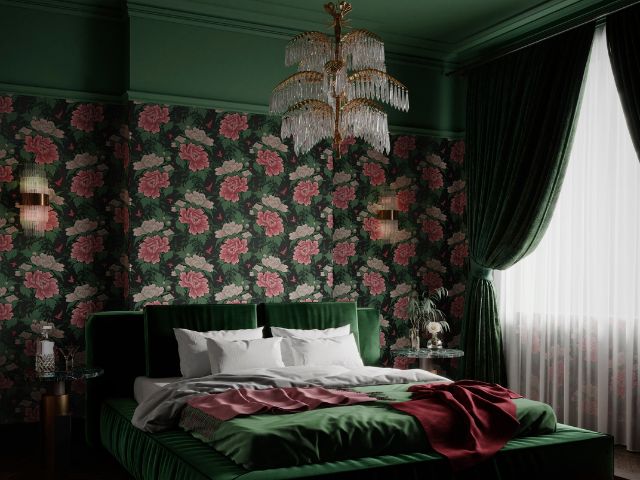
Image Credit: Divine Savages
Vintage theatre is trending: 8 ways to get the look in your home
When it comes to decorating our homes, inspiration comes from all sorts of unique places.
Already this year we’ve seen a demand for Analogue interiors, which has taken its cues from a desire to be more tech-less.
Then there’s ‘Chateaucore’ drawing on the aesthetic from The Traitors castle.
Yep, the stage is set for an old-world revival.
According to trend data from Pinterest, 2026 is shaping up to be the year we embrace the romance and grandeur of the theatre at home.
Recent forecasts point to a growing fascination with ‘opera-inspired’ or ‘vintage theatre’ interiors, with searches for ‘opera theatre’ rising by 35% alongside a renewed interest in sweeping drapery and statement ceilings.
But what does the vintage theatre aesthetic really look like in British homes?
Why is it resonating now, and how can it be interpreted in a way that it fits into 2026 décor?
“The resurgence of vintage theatre interiors feels very aligned with where we are culturally,” explains Kunal Trehan, interior designer and founder of Touched Interiors.
“There’s a collective craving for romance, escapism and atmosphere and period dramas such as Hamnet and the return of Bridgerton are fuelling that beautifully.
“These productions immerse us in richly layered worlds filled with velvet drapery, candlelight, ornate detailing and dramatic silhouettes.”
After years of ultra-minimalism, Kunal says people are ready for spaces that feel expressive, emotional and indulgent again.
“The vintage theatre aesthetic allows homeowners to create rooms that feel cinematic and spaces with presence, narrative and a sense of occasion,” he adds.
What are vintage theatre interiors?
According to Kunal the vintage theatre aesthetic draws inspiration from historic opera houses and grand European theatres.
“Think plush velvet seating, sweeping curtains, gilded detailing, rich wood tones and ambient, low lighting,” he explains.
“There’s a sense of drama and grandeur, but also intimacy.
“Opera interiors in particular introduce baroque influences, curves, ornamentation, gold accents and decorative flourishes, yet in 2026 this look is being reinterpreted in a far more refined and contemporary way.
“It’s less about recreating a stage set, and more about capturing that atmosphere: depth, richness and storytelling.”
From rich textures to clever lighting tricks and ornate detailing, we spoke to the interior experts about channelling a little stage-worthy drama without turning your sitting room into a set.
Embrace luxe materials but balance them
Bringing the vintage theatre look into your home doesn’t necessarily require huge changes.
“Start with fabrics, because texture is what immediately sets the tone,” explains Victoria Robinson, style and trend expert at Hillarys.
“Velvet, chenille and other plush materials instantly create that theatre‑inspired mood.
“Even a single piece, like a velvet Roman blind, can reshape a room.”
Kunal says agrees that while velvet is essential to the aesthetic, it doesn’t need to dominate.
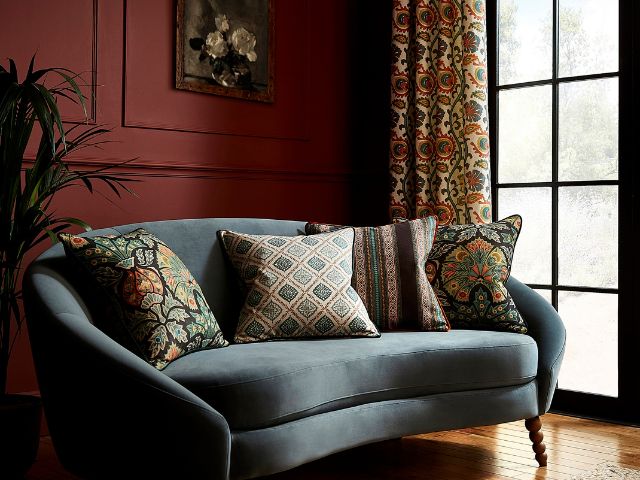
“Consider a velvet sofa in a deep oxblood, aubergine or midnight blue, paired with matte plaster walls or contemporary timber flooring to ground the space,” he advises.
“Plush fabrics such as mohair, silk blends and heavy linen curtains can instantly elevate a room without tipping into excess.
“The key for 2026 is restraint, one or two statement pieces layered against cleaner architectural backdrops.”
Get the colour palette right
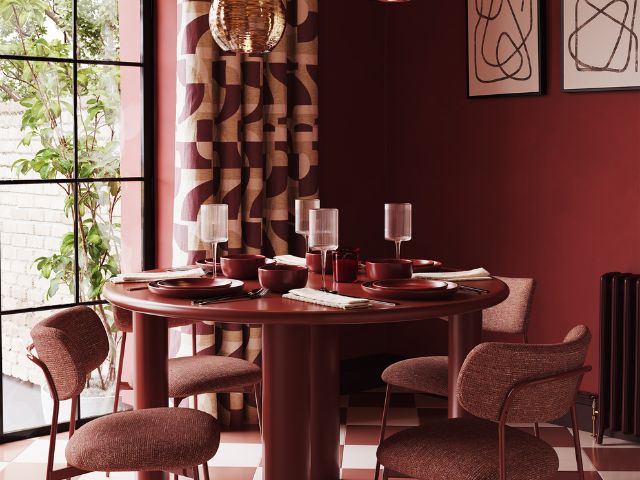
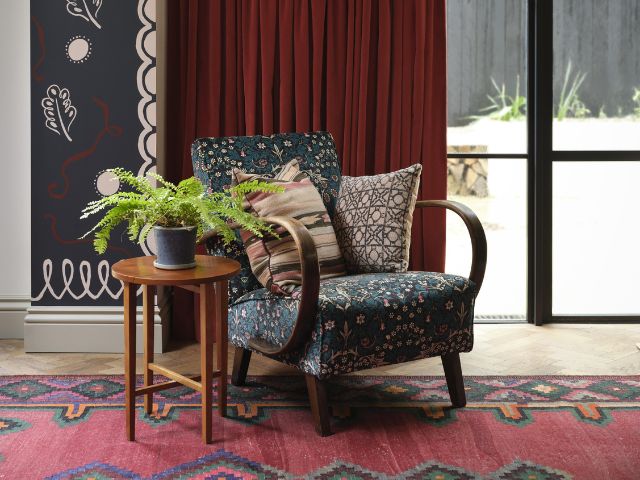
Traditional theatre interiors typically relies on burgundy, gold and forest green, but for 2026, these shades are evolving.
“Deep wine tones, inky navy and muted damson work beautifully when paired with chalky neutrals or soft warm whites,” explains Kunal.
“Rather than high-shine gold, opt for brushed brass or antiqued bronze to modernise the look.”
Victoria agrees that colour plays a big role in this look, but has been reimagined in modern homes.
“The classic theatre hues, like deep reds, emerald greens and midnight blues, are still beautiful, but for a fresher, more 2026 take, I love pairing them with chocolate brown, warm neutrals or muted gold to soften the overall look and make it feel more current,” she explains.
While colour drenching a room in a deep tone can feel incredibly atmospheric, Kunal suggests balancing it with contemporary lighting and simplified furniture silhouettes to keep the look contemporary.
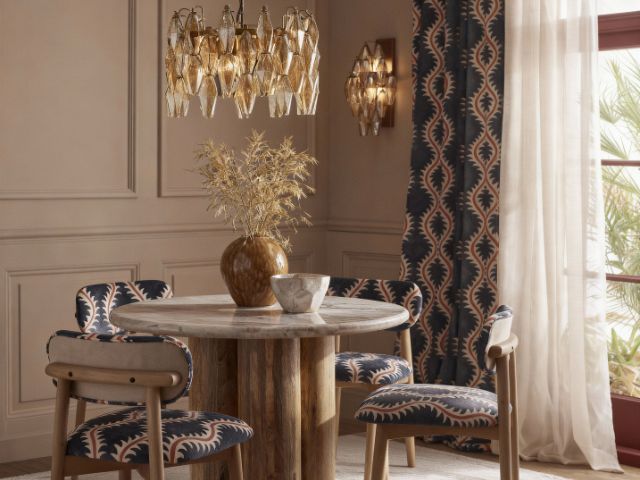
Introduce dramatic lighting thoughtfully
Lighting is arguably the most important element of this trend. Layered, ambient lighting creates that opera-house glow.
“Think wall lights with fabric shades, sculptural chandeliers, and table lamps with pleated detailing,” Kunal says.
“Avoid overly ornate crystal fittings unless the architecture supports it. Instead, choose modern interpretations, perhaps a clean-lined chandelier in aged brass or smoked glass.”
Rather than relying on bright overhead lights, Victoria recommends thinking in terms of warm, focused pools of light.
“Wall sconces, softly‑shaded lamps or a gentle spotlight effect on artwork work perfectly,” she says.
Dimmer switches are also essential.
“The magic of this aesthetic lies in shadow and warmth,” Kunal adds.
Add a touch of baroque but edit carefully
Baroque detailing, with its ornate curves and decorative richness, plays neatly into the vintage theatre look, adding a sense of drama and craftsmanship.
But baroque detailing can easily become overwhelming if overused.
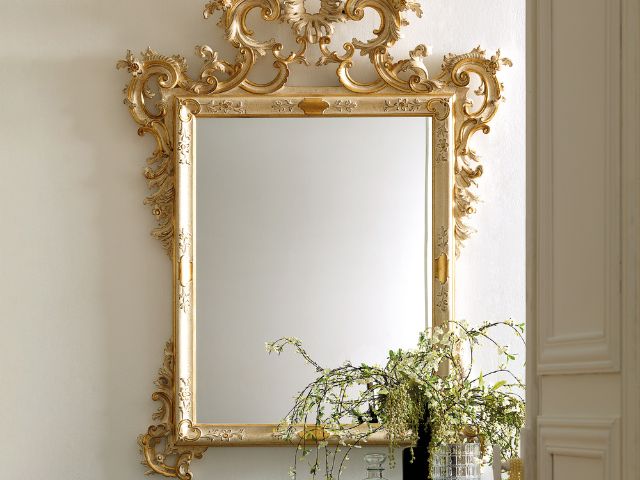
“Introduce it through one statement mirror with subtle gilding, a carved side table, or decorative cornicing,” Kunal advises.
He also suggests pairing ornate elements with minimalist pieces to create contrast.
“A contemporary sofa beneath a traditional cornice, for example, creates tension in a very modern way.
“The juxtaposition keeps it fresh and relevant.”
According to Melissa Denham, interior design expert at Hammonds Furniture no nod to the vintage theatre aesthetic would be complete without an antique (or antique looking) mirror.
“Look for beautiful carved details and gold finishes to really encapsulate the trend,” she says.
“Large mirrors are a great statement piece that are also practical as they will trick the eye and make your space look bigger than it is.”
Dark toned wood floors
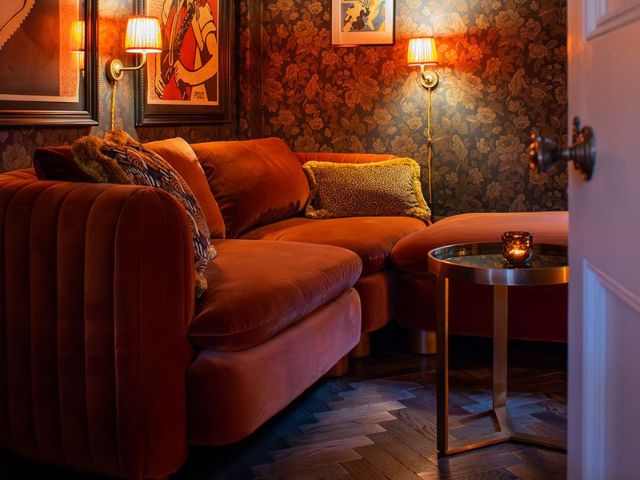
Dark wood floors are a natural fit for the vintage theatre aesthetic, lending depth and warmth to a space while subtly recalling the timeworn elegance of historic auditoriums and grand performance halls.
“Dark toned wood flooring, such as mahogany and walnut shades will perfectly complement the berry and wine hues of this trend,” explains Johanna Constantinou, interior trends expert at Tapi Carpets & Floors.
“They also add to the richness of the space’s palette, mimicking the historic grandeur of old theatre’s as close as possible.”
Incorporate theatrical details in a subtle way
To finish the look Victoria suggests using small nods to traditional theatre elements.
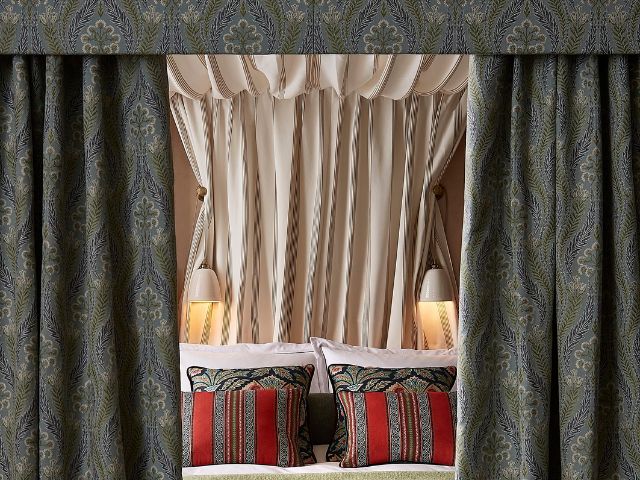
“Draped fabrics, tassels, swags or curtain‑like shapes add a gentle sense of drama, but using updated fabrics and more streamlined shapes helps everything feel modern rather than nostalgic,” she says.
While heavy drapery, swags and layered curtains are returning, in 2026 they feel more tailored.
“Floor-to-ceiling curtains in sumptuous fabric, even if purely decorative, instantly add theatre,” Kunal advises.
“Consider double layering, sheer voiles beneath heavier velvet for depth.”
If you’re keen for your room to feel particularly opulent, Melissa says long, draping curtains that reach the floor are the best way to go.
“Investing in some high-quality materials, that tie in with the design of your room is a great way to make a space feel more ‘put together’ and sophisticated,” she says.
“Curtains that feature tassels to tie them back are also very fitting for the time.
“When considering your textiles and materials, add rich velvet to bring some glamour to your room.”
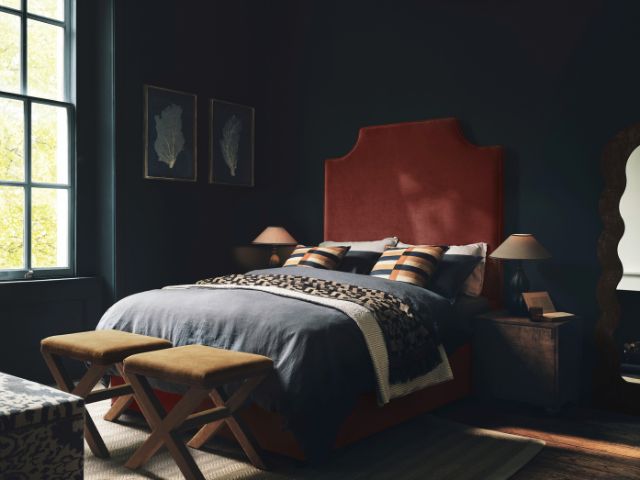
A statement headboard upholstered in a rich fabric can also echo the feel of theatre seating without feeling literal.
“The goal is suggestion, not replication,” Kunal adds.
Implement a mix of modern and vintage
Blending modern and vintage pieces is key to the trend.
“Modern furniture gives clean lines and functionality, while vintage or antique items add personality and charm to your room,” Melissa advises.
“In a bedroom, a vanity table will add some glamour to your daily routine, as well as double up as a desk, and a fitted wardrobe or armoire won’t just provide extra storage but will also keep your boudoir looking elegant and stylish.”
In addition to your basic furniture, Melissa says other ideas for vintage pieces include chaise lounges, chandeliers, grandfather clocks, and mannequins for jewellery and scarves.
Tell a story with your décor
Victoria says there is a big storytelling element to vintage theatre interiors.
“It’s an invitation to choose pieces that feel meaningful,” she explains.
“A vintage find, a favourite texture, or an artwork with emotional pull and let them shape the atmosphere of your space.
“It’s interior design with personality, warmth and soul.”
Kunal agrees this look is rooted in narrative and advises curating pieces that feel collected – framed art, antique-style busts, decorative boxes, or a drinks trolley styled as though ready for interval.
“The aesthetic works best when it feels personal and layered, rather than purchased all at once,” he adds.
“It’s about creating moments within a room, areas that invite pause, conversation and experience.”
Want more inspiration? Read: Wuthering Heights interiors: 8 ways to get the romantic gothic look at home or Heritage maximalism and 7 other interior trends set to dominate 2026
READ MORE: