


When should I turn my heating on? Here’s what the experts say…
As the temperature begins to drop, we are beginning to think about the dreaded question: is it time to put the heating on?
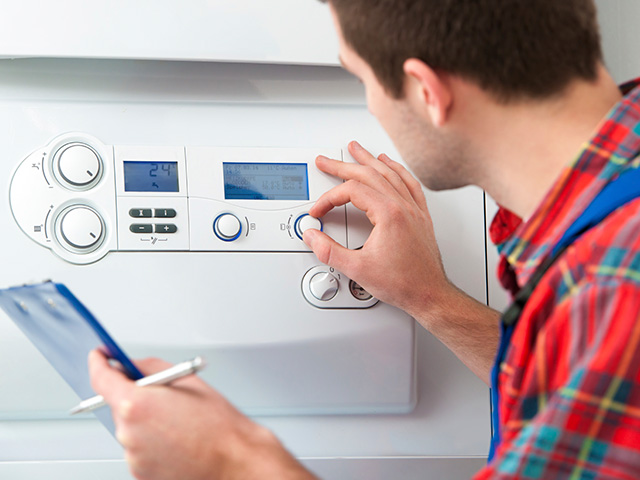
Before considering the actual switch on date, it is a good idea to test your heating (and boiler) before the really cold weather kicks in.
As the last thing you want is for the boiler to be broken and only discover it during a cold spell.
While nobody wants to act too early with the heating, it can be tricky to know when is best to flick the switch. We chatted to the experts to get the lowdown on the best time…
Heating expert Matthew Jenkins from myjobquote.co.uk has a recommended date and temperature, alongside tips for how to prepare your home and heating system.
What date should I put my heating on?
There is no single exact date for turning on your heating in the UK, as it depends on some key factors:
Personal comfort: When you and your household begin to feel cold is a good indication. The World Health Organisation recommend an indoor temperature between 18°C and 21°C for a healthy living environment.
The weather: The decision is also driven by a consistent drop in outside temperature, Many people find it’s time to switch on when the average daily temperature falls below 15°C.
Boiler switch on day: The third Monday in October is often referred to as this, as when many households across the UK fire up the central heating for the first time.
Before turning on the heating though, consider doing a ‘test run’ by switching it on for a short period to ensure it is working correctly. This will help you to spot and fix any issues before the real cold weather hits.
Heating routine for best results
There is no one size fits all when it comes to the right time to turning on heating, but there are guidelines you can follow to make the best out of it and to save you money.
Take a look at Matthew’s recommend routine below for the best results:
Morning routine
Pre-heating: Turning your heating on 30-60 minutes before you wake up can create a warm and inviting atmosphere. This allows your home to reach a comfortable temperature by the time you’re ready to get out of bed.
Aim for a temperature between 18°C and 21°C. A higher temperature may not provide significant additional comfort but could lead to increased energy consumption, and therefore higher bills.
Daytime heating
Off peak hours: If you have a smart meter or a time of use tariff, consider scheduling your heating to run during off-peak hours when electricity prices are lower.
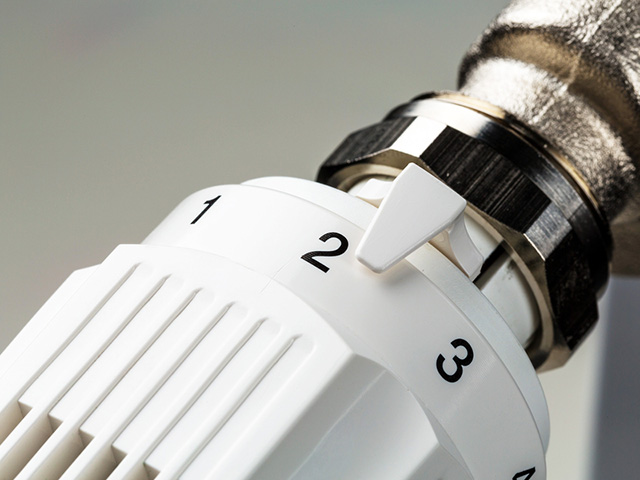
Targeted heating: Instead of heating the entire house, focus on the rooms that you use most frequently. Use room thermostats or radiator valves to control the temperature in specific areas.
Natural heat sources: Make the most of natural heat sources such as sunlight, where possible. Opening your curtains during the day and allow warmth to enter your home.
Evening comfort
Pre bedtime warmth: Turn your heating on an hour before bedtime to create a cosy atmosphere.
Night time temperature: Lower the temperature to around 16°C and 18°C during the night as this can help you sleep better and reduce energy consumption.
What is the ideal temperature for a house?
It’s best to set your thermostat between 18°C and 21°C in the winter months but it’s also worth bearing in mind the health and age of those in your household.
If there are elderly people, young people, or people who are unwell, it is recommended to set your thermostat to 20°C. In houses where there is a newborn, it’s best to heat the room between 16°C and 20°C due to risks of SIDs.
Health considerations
Maintaining a comfortable temperature inside your home is not only about energy efficiency but also about your own health and wellbeing.
Exposure to extreme temperatures, whether too hot or too cold, could have significant health implications.
These can include respiratory issues, weakened immune systems, issues with cardiovascular health, muscle and joint pain, as well as an impact on mental health.
Transforming your home into a warm, cosy haven is more than just a date on the calendar. By considering these factors you will greatly benefit your comfort, lower your energy consumption and therefore your bills, and even improve your health.
READ MORE: