



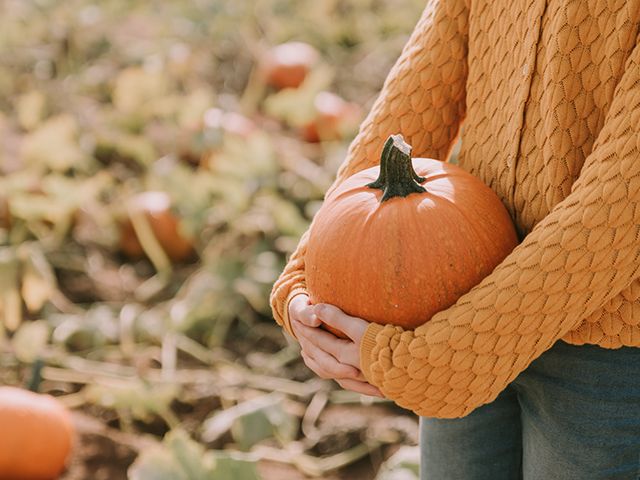
How to reduce your pumpkin waste for a more sustainable Halloween
With statistics showing that our pumpkin waste is a little bit frightening at Halloween, Good Homes magazine asks the team behind the Pumpkin Rescue campaign for some eco-friendly tips…
A recent study revealed that 51% of people didn’t view a pumpkin as food — there’s a scary stat!
In response, Good Homes chatted to Tessa Tricks, head of food at environmental campaign charity Hubbub, about the Pumpkin Rescue campaign and how we can have a more sustainable Halloween.
Image: Anita Austvika
Why was the Pumpkin Rescue campaign set up?
Brits bin a whopping eight million pumpkins at Halloween. That’s a shocking amount of pumpkin waste. Further to this, half of the 58% of Brits who buy Halloween pumpkins throw the innards straight in the bin.
A previous study commissioned by Hubbub also revealed that more than half of the nation’s pumpkin buyers are calling for recipes to help them make more of their leftovers.
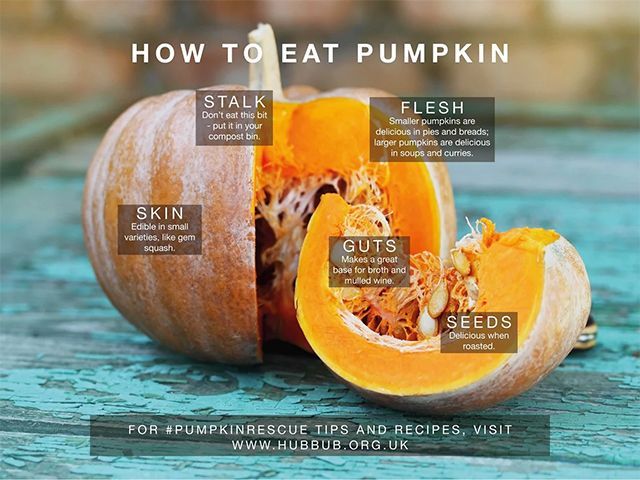
Image: Hubbub
Why is eating pumpkin innards so important?
Pumpkins are not just Halloween decorations but are a tasty and versatile food, which takes a lot of resource to produce.
Food waste is damaging to the environment, our pockets and is a moral issue at a time when so many go hungry.
Half of people in the UK have never eaten pumpkin before, while 6 in 10 said they wouldn’t know how to cook pumpkin.
Some pumpkins are labelled ‘carving pumpkins’ which puts some people off eating them. However, they are actually still edible and can be turned into a delicious soup with a flavoursome stock cube or added to bulk up a stew.
Every pumpkin eaten is a step towards tackling the 7.3 million tonnes of food and drink that is thrown away from UK homes every year.
Fruit and veg make up 19% of avoidable household food waste. Wasting this food costs £810 a year for a family with children. If we stop wasting food that could have been eaten, the benefit to the planet would be the equivalent of taking 1 in 4 cars off the road.
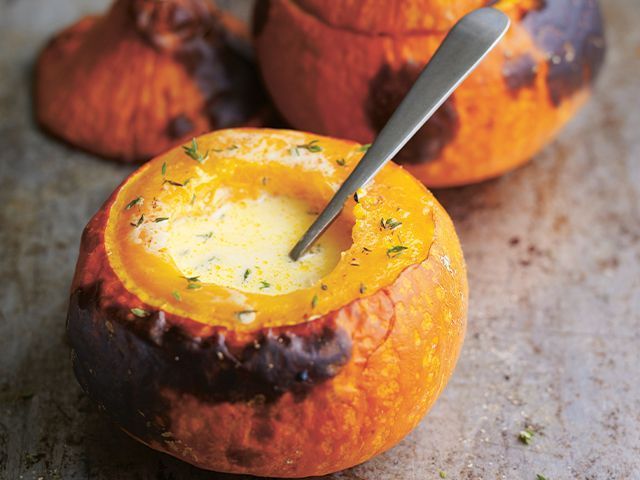
Image: Squashy bottom soup bowls recipe, Riverford
What has the campaign achieved over the years it’s been running?
Since starting in 2014, the Pumpkin Rescue has created 239 local events and workshops attended by a total of 18,600 people.
This has led to a whopping 17,500 pumpkins being diverted from landfill. Millions more have been reached online and through the press, creating a movement of people eating their ‘gourd-eous’ pumpkins.
This included; food stalls, cookery demos, children’s workshops, pumpkin archery, carving competitions, amateur theatrics, seed saving, pop-ups compositing sessions, you name it.
How can we get involved?
Eat your pumpkin! Pumpkins are really versatile and can make delicious soups, curries, pies, breads, cakes and even lattes.
Pumpkin goes with lots of flavours – chilli, ginger, honey, orange, sage, cumin, coriander and more. They can replace sweet potato or butternut squash in many recipes. If you can’t use your carvings straight away, then steam and freeze them. They will also last a few days in the fridge if you steam them first.
No one wants to eat a pumpkin once it’s sat with a candle in its belly for days. Once the jack-o-lantern gig is us, compost your pumpkin, put it in food waste recycling or turn it into a bright bird feeder.
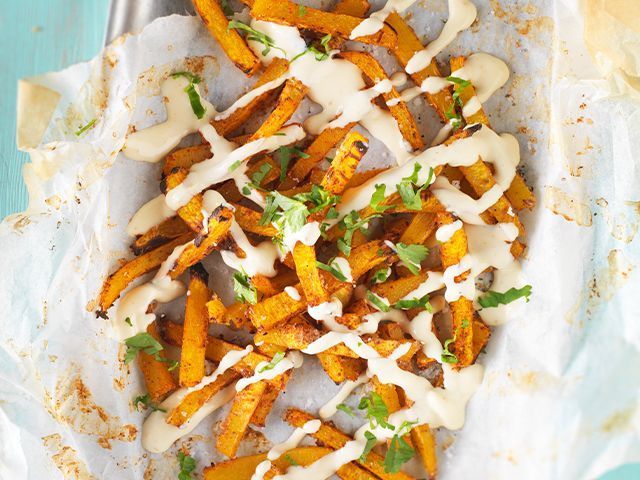
Image: Loaded pumpkin fries, Primula
Do you have any other tips to help make Halloween celebrations more sustainable?
Thirty-nine million people in the UK are expected to dress up for Halloween this year, spending a total of £510 million on costumes alone!
With 7 million Halloween costumes ending up in the bin, according to statistics from 2016, save yourself some time and money this Halloween – there are lots of ways to dress to kill this year without spooking the planet.
Recycle an outfit or do a costume swap with friends or through a local Facebook group.
Opt for a costume in a natural fabric and avoid nylon, polyester and viscose. That way you’ll have a comfier/less sweaty Halloween and be safe in the knowledge your costume won’t take ages to biodegrade.
How else should we dispose of pumpkins after Halloween?
It’s not just the food waste and environmental damage that pumpkins and Halloweens can wreck. You also need to be aware of other potential damage during spooky season.
As pumpkins decompose, they can add nutrients to the soil, this is helpful for some species but for many, they thrive in these nutrient-poor conditions. They can also attract scavengers including foxes, rats and mice to the area, impacting the local balance of wildlife temporarily.
If the pumpkins you have picked aren’t locally sourced, there is a risk they could be harbouring bacteria, mould or other pests, which are not usual in the area.
Decorated pumpkins also may carry substances that are toxic to wildlife or persist in the local environment for some time afterwards. For example, glitter would remain in the environment as microplastics.
What is the most environmentally responsible way for people to dispose of pumpkins?
Composting or food waste recycling is a good way to dispose of pumpkins after Halloween. You could also put out the seeds and any other uneaten parts out in moderation for wildlife, but do so with care.
READ MORE