


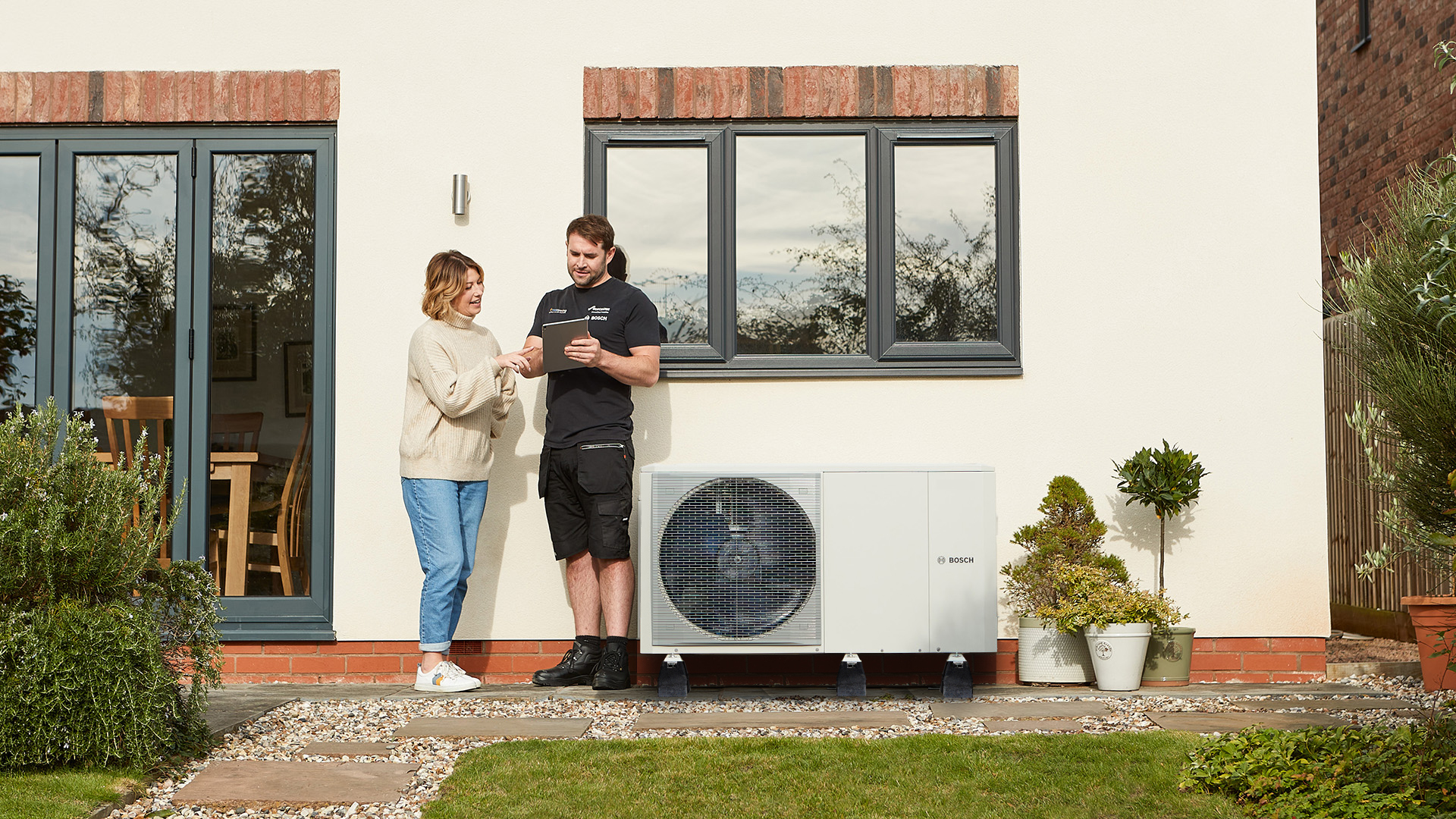
A Compress 2000 heat pump from Worcester Bosch could be the right choice for your home
Whether you’re renovating, extending or simply updating your heating system, a heat pump could be an option worth considering. The way UK homes are heated is changing, with new policies and legislation encouraging homeowners to explore different approaches to heating and hot water.
For anyone unfamiliar with the technology, this can make the choice seem complicated. However, understanding how a heat pump works and what it could mean for everyday comfort is a good place to start.
From consistent temperatures and quiet operation to flexible installation options, modern heating technology is designed to fit more easily into the way people live today.
Among the options available is the Compress 2000 from Worcester Bosch, part of the Worcester Bosch range of heating products and electrified solutions.
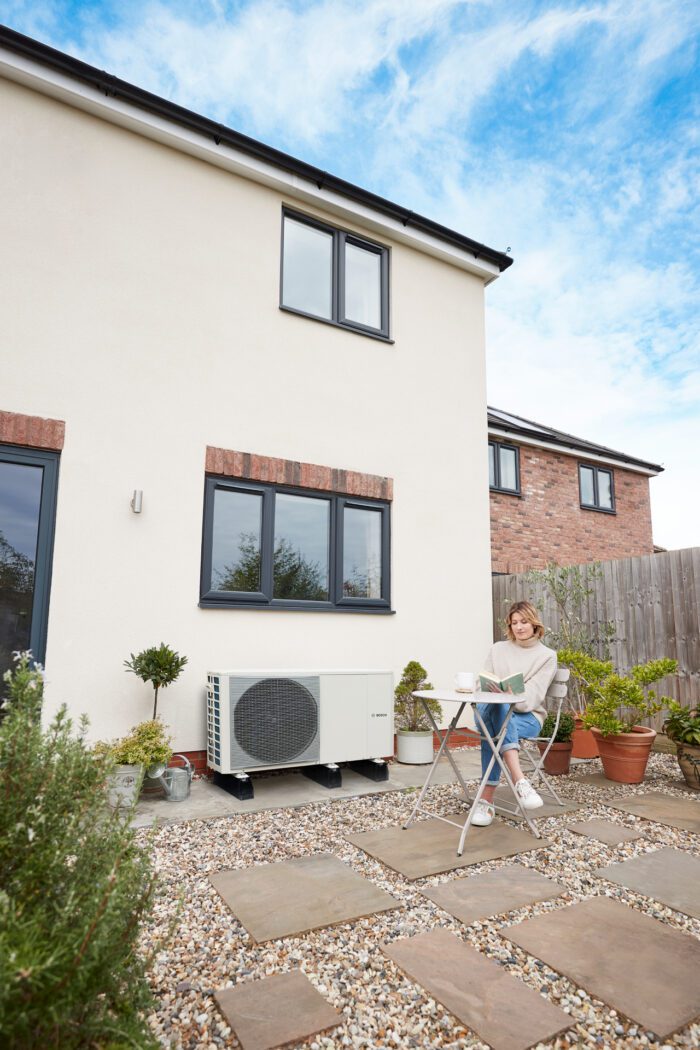
What is a heat pump?
A heat pump works by moving heat rather than generating it through combustion.
An air-to-water heat pump captures naturally occurring warmth from the outdoor air and uses electricity to raise its temperature before transferring it into the home. The resulting heat can be used to warm rooms and provide hot water.
This is different from a conventional gas or oil boiler, which creates heat by burning fuel. A heat pump instead uses electricity to move and increase the temperature of heat already present in the surrounding air.
And despite its name, a heat pump can operate throughout the year. Even when outdoor temperatures are low, there is still heat present in the air that the system can extract.
For homeowners, this means a different approach to heating, one designed to provide a steady source of warmth while integrating with the rest of the home’s heating system.
Why consider a heat pump?
The technology behind a heat pump may be sophisticated, but the benefits are straightforward.
Consistent comfort
One of the main differences between a heat pump and a conventional boiler is the way heat is delivered.
Rather than producing short bursts of high-temperature heat, heat pumps generally operate for longer periods, maintaining a more consistent indoor temperature.
This can help create a home that feels evenly heated rather than one that alternates between feeling too warm and too cool. For households looking for comfortable climate control, this steady approach can be particularly appealing.
It can also work well alongside modern heating technologies such as underfloor heating, which distributes warmth across a larger surface area.
A quieter home
When it comes to home improvements, noise isn’t always the first consideration, but it can make a significant difference to everyday life.
A heating system that operates quietly is less likely to interrupt conversations, television, sleep or working from home. This is especially relevant in open-plan properties, where kitchens, dining spaces and living rooms are often combined.
Worcester Bosch offers Quiet Mark-certified heat pump models, helping homeowners consider noise levels alongside other practical factors when choosing a new heating system.
Lower carbon emissions
A heat pump, when running, emits less carbon dioxide than a gas or oil boiler. This gives the potential to reduce carbon dioxide emissions compared with traditional gas or oil boilers.
A heat pump uses electricity rather than burning gas or oil to generate heat.
The actual performance and emissions associated with any heating system will depend on a range of factors, including the property, the installation, and the electricity used to power it. Nevertheless, moving towards electrified heating is becoming an increasingly relevant consideration for homeowners planning a long-term renovation.
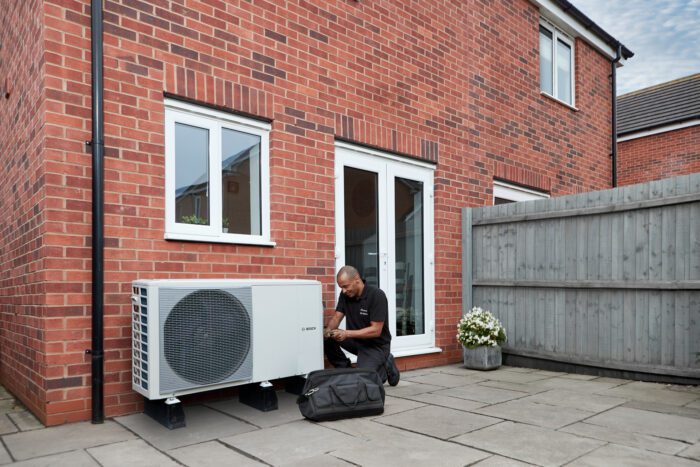
Can a heat pump work in an existing home?
A common concern is that heat pumps are only suitable for new-build properties.
In reality, a heat pump can be used in a wide range of homes, although the suitability of a particular property should always be assessed by a qualified professional.
Insulation is an important consideration. A well-insulated home is better able to retain the heat produced by its heating system, helping it operate effectively.
Heat distribution is also worth considering. Heat pumps typically operate at lower flow temperatures than traditional boilers. Larger radiators or underfloor heating can help distribute this heat effectively around the property.
This doesn’t necessarily mean that homeowners need to completely replace their existing heating system. Depending on the property, some radiators may be suitable while others may benefit from upgrading.
For anyone already planning a renovation, extension or major refurbishment, however, it makes sense to consider heating at the same time as other improvements.
Introducing the Worcester Bosch Compress 2000
For homeowners exploring air-to-water heat pumps, the Worcester Bosch Compress 2000 provides a practical option.
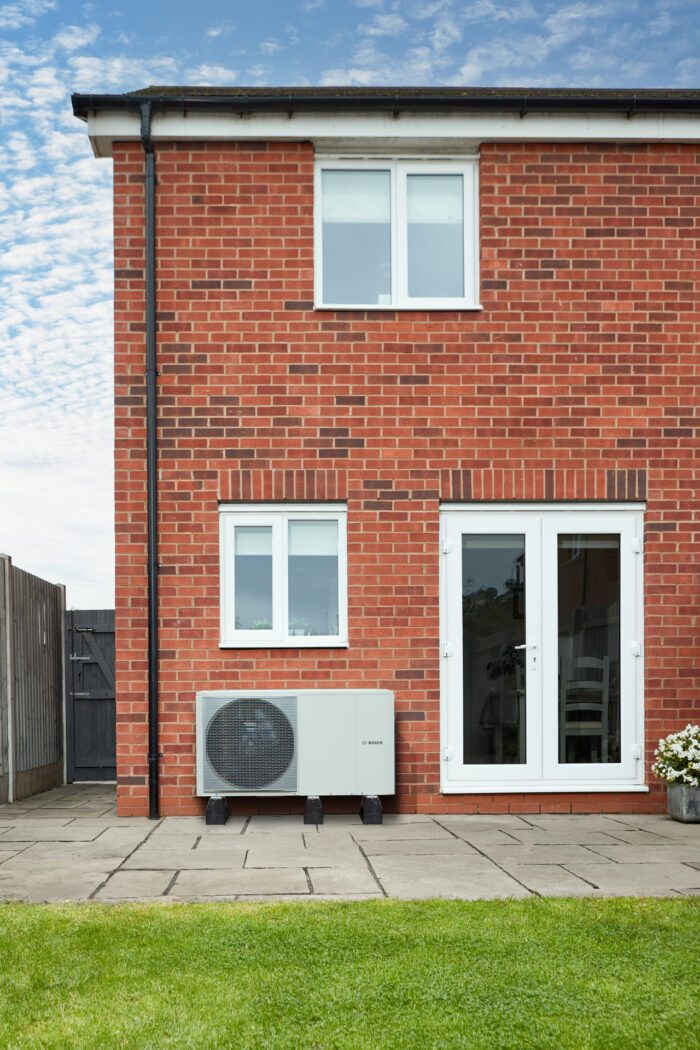
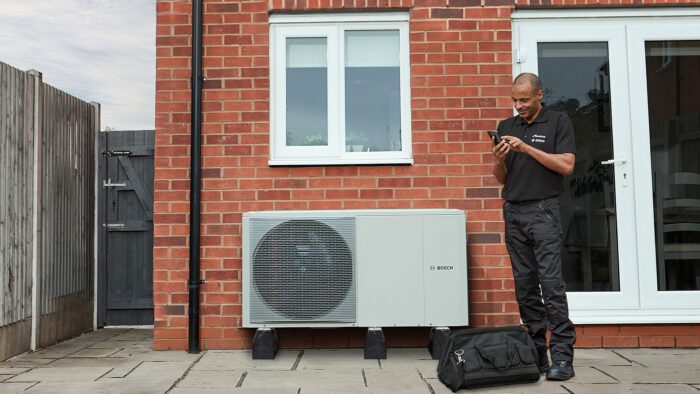
The Compress 2000 is an air-to-water, full monobloc heat pump designed to provide both heating and hot water.
The monobloc approach means the principal heat pump components are housed within the outdoor unit, rather than requiring a separate indoor heat pump unit. This can help simplify the overall system and reduce the amount of equipment required inside the property.
For homeowners where space is at a premium, the compact design is particularly appealing.
The Compress 2000 is available in a range of outputs, making it suitable for different property types and heating requirements. Worcester Bosch positions the system as suitable for both new-build homes and renovation projects.
That flexibility makes it an option for homeowners replacing an existing heating system, as well as for those designing a heating solution for a new property.
Efficient and straightforward
Efficiency is naturally an important consideration when choosing a new heating system, but homeowners also want technology that is straightforward to operate.
The Compress 2000 has an A+++ ErP energy efficiency rating under average environmental conditions and at a flow temperature of 35°C.
Its straightforward controls are designed to make everyday operation simple, while the system can also work with weather compensation to help adjust heating operation according to outdoor conditions.
The result is heating technology designed to work largely in the background, allowing homeowners to concentrate on enjoying their homes rather than constantly adjusting the heating.
A reliable option from Worcester Bosch
For many homeowners, choosing a heating system is also about confidence in the manufacturer.
Worcester Bosch has a long-established presence in the UK heating market, with thousands of homes across the nation using their products to warm their home year after year.
The Compress 2000 is designed to combine this experience with an accessible approach to air-to-water heating. Its focus on a reliable, compact design and straightforward operation makes it a practical consideration for homeowners who are ready to explore electrified heating.
Rather than treating a heat pump as a specialist addition to the home, the Compress 2000 is designed as part of a wider range of modern heating and electrified solutions.
What about installation?
As with any major heating upgrade, installation is an important part of the process.
The suitability of a property should be assessed before choosing a system, taking into account factors such as the home’s heat loss, insulation, existing radiators, hot water requirements and available outdoor space, which your installer will be able to talk you through.
The outdoor unit also needs to be positioned appropriately, with consideration given to airflow, access and noise.
For the Compress 2000, the outdoor unit typically requires no planning permission for the specified 4–6kW and 8–16kW models, although homeowners should always check the current requirements that apply to their property and installation.
A qualified installer can also advise whether any changes to radiators, controls or other parts of the heating system would be beneficial.
Could grants help with the cost?
One of the biggest questions for homeowners considering a heat pump is likely to be the initial investment.
Government-funded schemes can provide financial assistance to eligible homeowners. In Great Britain, the Boiler Upgrade Scheme offers grants towards the installation of eligible heat pump systems, subject to the current scheme criteria.
As eligibility and funding arrangements can change, homeowners should check the latest requirements before making plans.
Taking the time to investigate available funding alongside installation costs could make the decision more manageable.
Is a heat pump right for your home?
There is no single heating solution that will suit every property. The right choice depends on the home’s construction, insulation, heat loss, existing heating system, available space and the homeowner’s individual requirements.
However, for those already planning a renovation or looking to replace an ageing boiler, it is worth investigating the options available.
The Compress 2000 combines air-to-water technology with a monobloc design, making it a compact option for homeowners considering a move towards electrified heating.
With a range of outputs, simple controls, and the backing of Worcester Bosch, it is designed to provide a practical way to introduce a modern heat pump into both new and existing properties.
For homeowners considering their next heating system, understanding the options now could make planning the next stage of a renovation considerably easier.