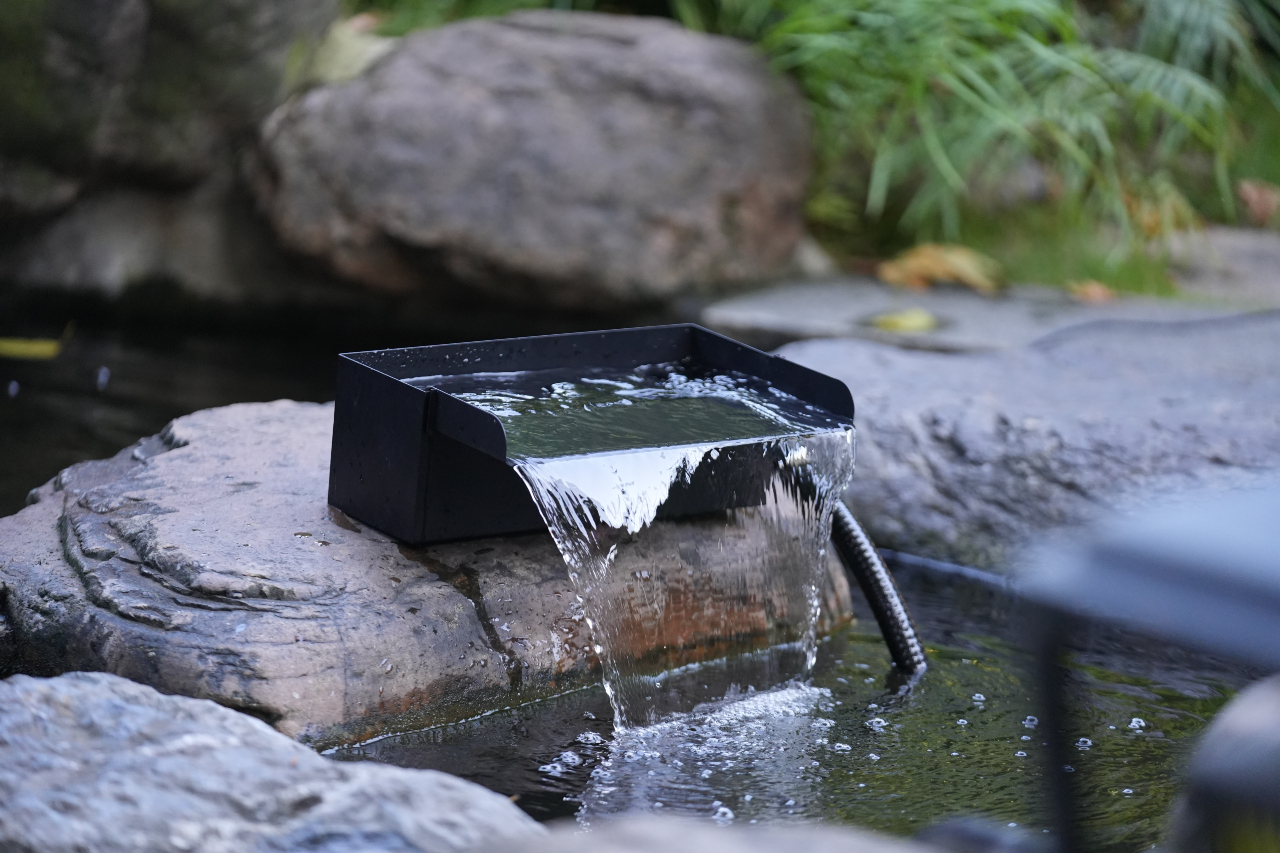
POPOSOAP Solar Fountain: A Simple Water Feature for Small Garden Spaces
Adding moving water to a garden can transform even a small outdoor space, and the POPOSOAP solar fountain offers a straightforward way to introduce a water feature without the need for mains electricity or complicated installation.
Designed for birdbaths, small ponds and compact garden basins, the solar-powered fountain is particularly suited to gardens that receive plenty of direct sunlight.
Testing in a typical UK garden pond found the fountain easy to install, quiet in operation and appealing to garden wildlife.
Its main limitation is its reliance on sunlight, with performance dropping noticeably during overcast weather or when the solar panel is positioned in shade.
What’s in the box?
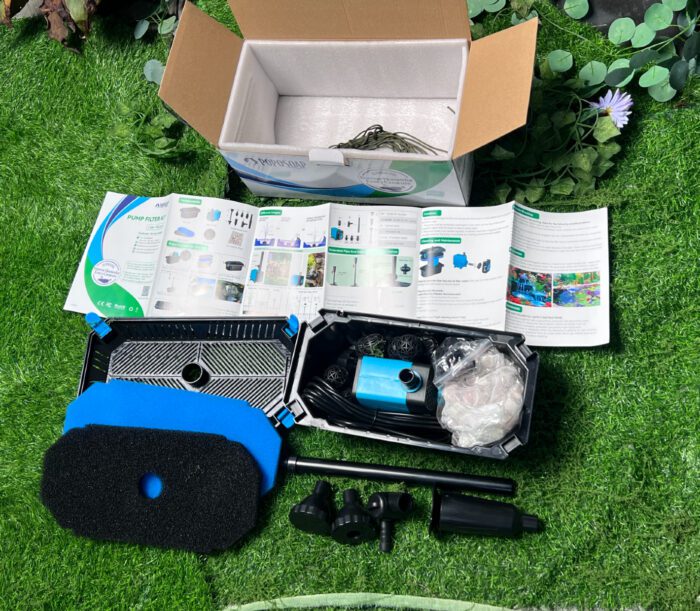
The POPOSOAP solar fountain arrives in a compact, practical package containing everything needed to get started.
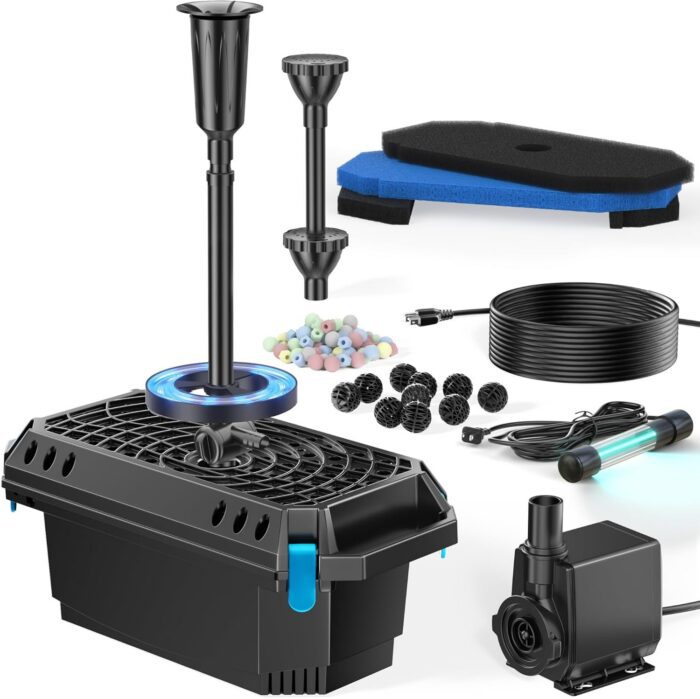
Inside the box are the pump unit with its attached cable, a solar panel with a stake or mounting system, four different nozzle heads, a 3-in-1 filtration system and a short instruction leaflet.
The components are lightweight but feel sufficiently robust for everyday outdoor use.
The plastic construction is economical rather than premium, with some visible seams, although there were no obvious defects or significant concerns with the seals.
The simple push-fit connectors also make assembly relatively straightforward.
Overall, the first impression is of a compact product designed primarily around convenience.
It is not intended to be a heavy-duty pond pump, but for smaller water features it provides a simple and accessible solution.
Quick and easy installation
One of the fountain’s biggest advantages is how little effort is required to install it.
In testing, the complete setup took around 10 to 15 minutes.
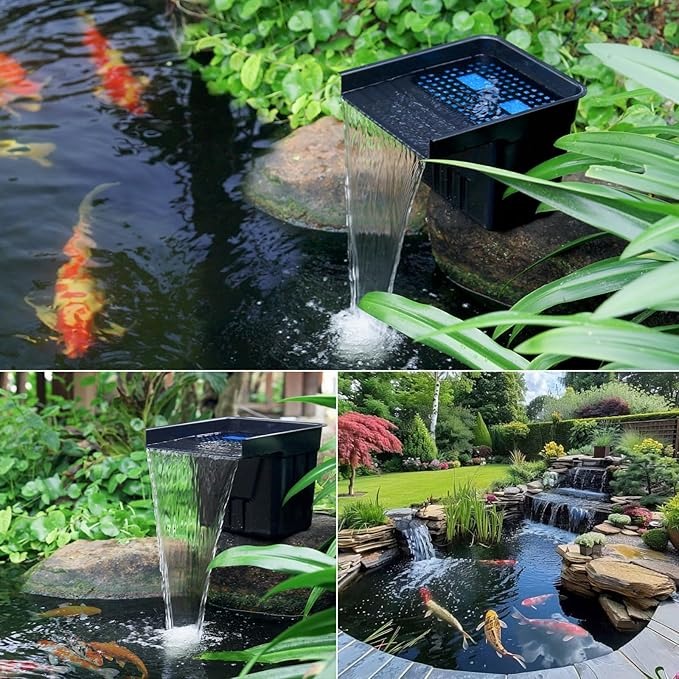
The process involves choosing a suitable location for the basin and solar panel, attaching the preferred nozzle, arranging the filter pads, bio balls and bio ceramic rings inside the filter box, and positioning the pump beneath the water.
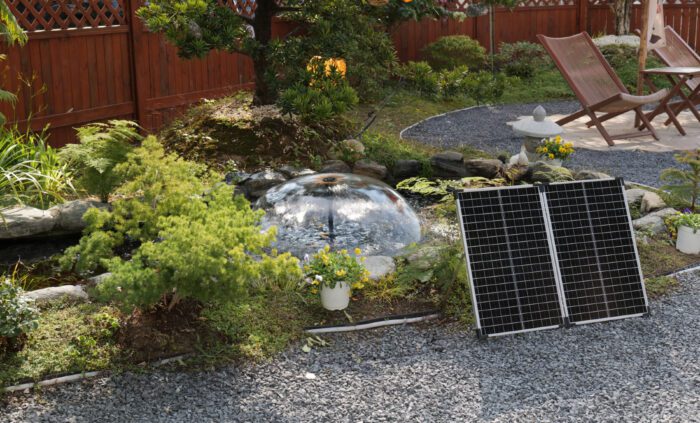
The solar panel can then be mounted where it receives as much direct sunlight as possible.
The position of the solar panel is particularly important.
Testing found that a panel placed in direct sunlight produced considerably better water flow than one positioned in partial shade, even when the latter was closer to the fountain.
The pump should be fully submerged but kept clear of leaves, silt and other debris. Where the bottom of a basin is uneven, placing it on a small flat stone or suitable perforated platform can help keep it stable.
Cable length varies depending on the model, but the approximately 1–2m cable supplied is generally sufficient for smaller gardens.
Larger distances may require the basin to be repositioned or an appropriate extension solution.
How does the fountain perform in different weather?
As a solar-powered product, the POPOSOAP fountain’s performance is closely linked to the amount of sunlight available.
Testing over several weeks of typical UK summer weather provided a useful picture of what homeowners can expect.
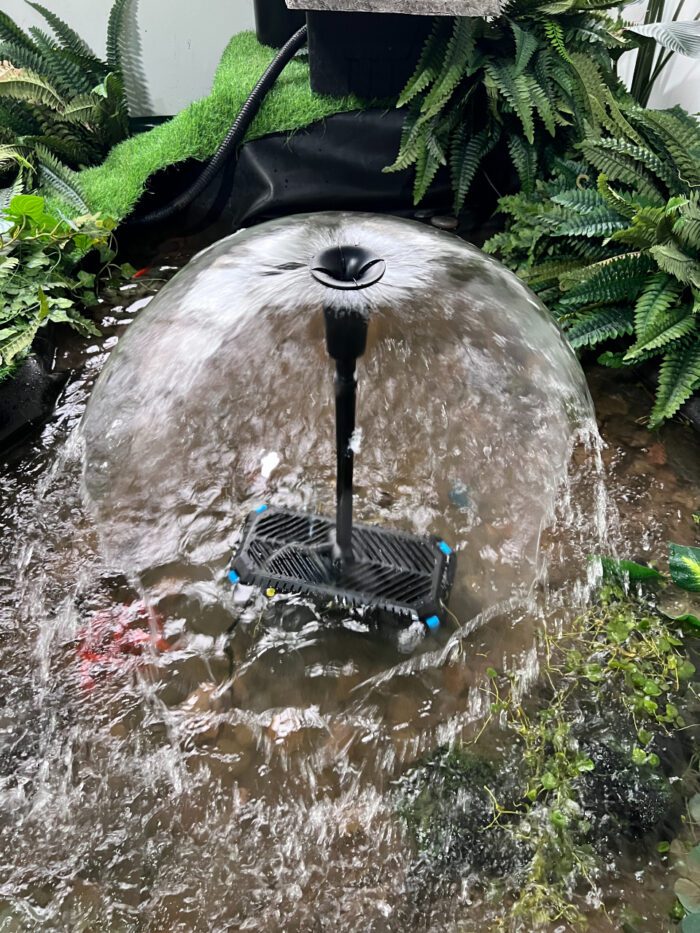
In bright sunshine, the fountain produced a stable vertical spray that reached approximately 120cm at its strongest.
For a small water feature, this created an attractive effect without overwhelming the basin.
The movement and sound of the water also proved effective at attracting small birds.
In partial sunlight, the flow became weaker, with the jet becoming thinner and shorter. However, there was still enough movement to provide the gentle sound and visual interest expected from a small fountain.
The biggest drop in performance occurred during overcast conditions or heavy shade. Extended periods without sufficient sunlight reduced the fountain to a weak trickle and, in particularly poor conditions, it stopped altogether.
The fountain did recover quickly once direct sunlight returned.
The model tested also included a small battery backup or capacitor system, which helped it continue operating briefly when clouds passed overhead.
This feature is useful for preventing constant starting and stopping, but it should not be regarded as a substantial battery capable of powering the fountain for hours without sunlight.
Quiet operation with manageable splashing
Noise is another area where the POPOSOAP fountain performs well.
The pump produces very little mechanical noise, leaving the sound of moving water as the dominant feature.
There is no distracting high-pitched electrical noise, making it well suited to patios, balconies and other areas where homeowners want a relaxing atmosphere.
Some splashing c
an occur when the fountain is operating at maximum flow, particularly in smaller or shallower basins. However, this is relatively easy to control.
Choosing a nozzle with a gentler spray pattern can reduce the amount of water landing outside the basin.
Small stones positioned around the pump inlet can also help dampen water returning to the basin, while a slightly deeper container can provide additional protection against splashing.
Straightforward maintenance
The fountain does not require complicated servicing.
Basic maintenance involves removing leaves and dirt from the pump strainer and occasionally wiping the solar panel to ensure it can absorb as much sunlight as possible.
Keeping the water feature and filtration system free from debris should also help maintain consistent performance.
The absence of permanent power cables and bulky electrical hardware makes the fountain particularly convenient for smaller outdoor spaces.
It provides the visual appeal and gentle sound of moving water without the installation work associated with a mains-powered feature.
The advantages and drawbacks
There are several reasons why the POPOSOAP solar fountain could appeal to homeowners looking for a simple garden water feature.
Advantages include:
- Quick and easy installation
- Suitable for non-technical users
- Attractive to birds and other garden wildlife
- Quiet operation
- Compact enough for small gardens, patios and balconies
- No mains electricity connection required
- Low running costs
- Brief battery backup helps prevent interruptions caused by passing clouds
There are also some limitations to consider.
Most notably, the fountain’s performance is heavily dependent on sunlight.
It is unlikely to be the right choice for a shady garden or a location that receives very little direct sunlight.
Its compact design also means it is better suited to birdbaths, small ponds and decorative basins than large ponds requiring substantial or continuous water circulation.
Is the POPOSOAP solar fountain right for the garden?
The fountain is likely to appeal most to homeowners with a small outdoor space that receives several hours of direct sunlight each day. Bird enthusiasts may also appreciate its ability to introduce moving water that can attract birds, while renters and anyone looking for a simple installation may benefit from its lack of mains wiring.
It is less suitable for north-facing courtyards, heavily shaded gardens or locations where buildings and trees significantly restrict direct sunlight.
Those expecting a fountain to run continuously overnight or throughout lengthy periods of cloudy weather may also need to consider a different type of water feature.
A simple way to add moving water outdoors
The POPOSOAP solar fountain offers a practical option for adding a small water feature without the complexity of mains-powered installation.
Its strongest qualities are its compact size, straightforward setup, quiet operation and appeal to garden wildlife.
For a home garden with reliable daily sunshine, it can turn a simple birdbath or small basin into a more engaging focal point.
However, homeowners should be realistic about the limitations of solar power: when sunlight is limited, so too is the fountain’s performance.
For smaller outdoor spaces where convenience and simplicity are priorities, the POPOSOAP solar fountain provides an accessible way to introduce the sights and sounds of moving water.