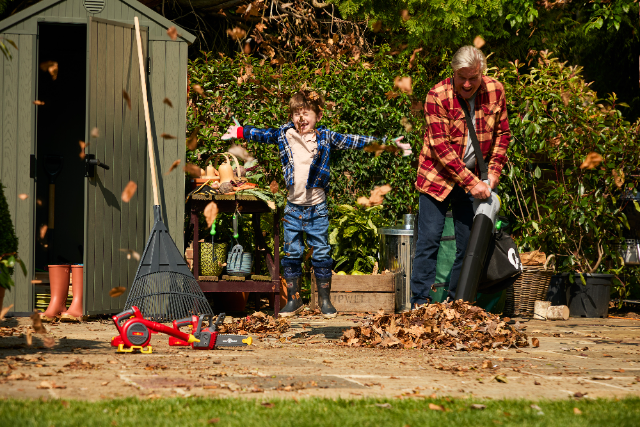
Photo: Dobbies
Best autumn gardening tips to prepare for winter
Autumn clean up
Tidy borders
Treat your lawn
Plant evergreens
Start autumn pruning
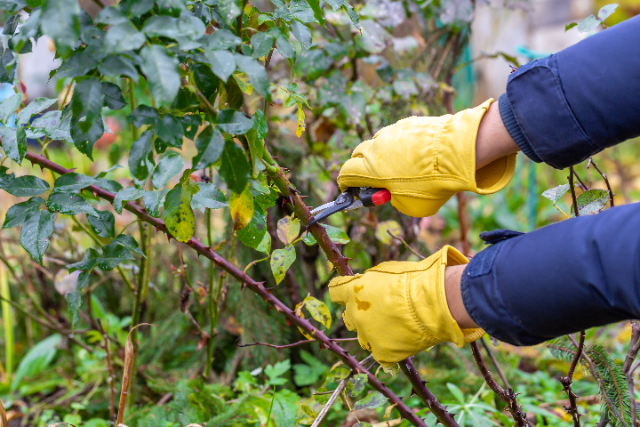
Get started on your autumn pruning – target shrubs that are ready to be pruned and any herbaceous plants that need cutting back. Pruning helps to maintain the shape of your plants and greenery whilst also encouraging growth. To do this, simply cut back any spent growth using shears or scissors.
It’s also a good time to check if any deadheading has been missed during the summer months. Rather than cutting directly under the flower head, the best way to do this is to cut to just above a bud or leaf node.
Clear out compost bins
Prevent pond debris
When should I start planting for a spring garden?
As summer slowly drifts off, now is the perfect time to start preparing for your spring blooms.
Nigel Lawton, Dobbies Garden Centres’ Plant Buyer explains why now is the perfect time to start planting.
“Planting bulbs now will enable you to enjoy the colours of spring earlier, they’ll work their magic over winter and burst into colour as early as February. Daffodils, tulips and crocuses are all great for adding life to beds, borders and containers while providing vital food for pollinators.
For maximum impact, Nigel recommends layered planting, also known as lasagne planting. He explains: “By planting different spring bulbs in tiers within the same pot, you’ll extend the life of your display and enjoy waves of flowers all season long.
“Place the largest, latest-flowering bulbs at the bottom, such as tulips, followed by narcissus and finish with crocuses near the top. With a little planning, your containers will deliver non-stop colour from late winter right through spring.”
What bulbs should I plant in September?
As mentioned, daffodils, crocuses and tulips, as well as hyacinths are all ideal for planting in spring. This is because they need time to root before winter kicks in, ensuring a bright and early display next spring.
We chatted to experts at Trexpro to get some inside knowledge.
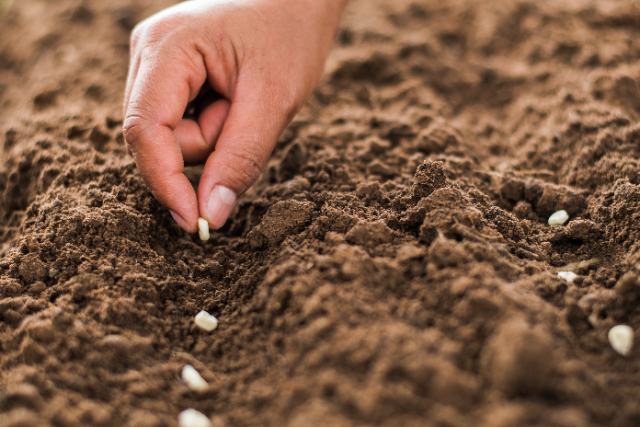
To plant the bulbs, dig a hole 2-3 times the bulb’s depth, before placing the bulb pointy side up and covering with soil. Make sure to water if the soil is dry when planting. How far apart you space the bulb depends on the variety chosen, so make sure to check the packet for guidance.
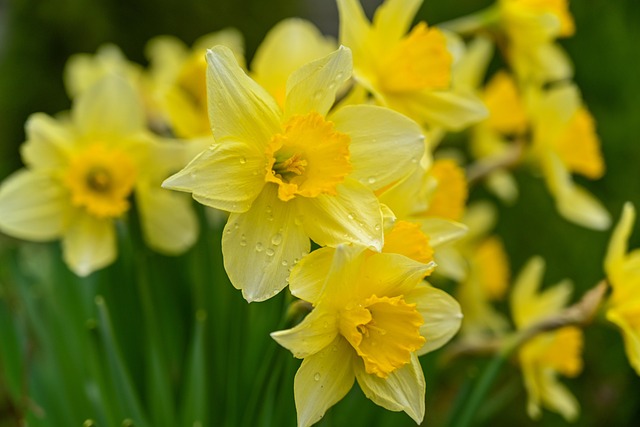
Daffodils
While daffodils signal the start of spring, they are best planted in September. This is because the soil is still warm from summer, and this encourages quick root development ahead of the colder weather.
This also gives them plenty of time to be well-anchored and therefore settle. Planting any later will risk weaker root growth and fewer flowers when spring arrives.
After planting, give them a good water to help the soil settle. From here, the rainfall during autumn and winter should be enough for maintenance, but if there is an unusual dry spell you should water occasionally. Other than that, daffodils can be left alone over winter.
Crocuses
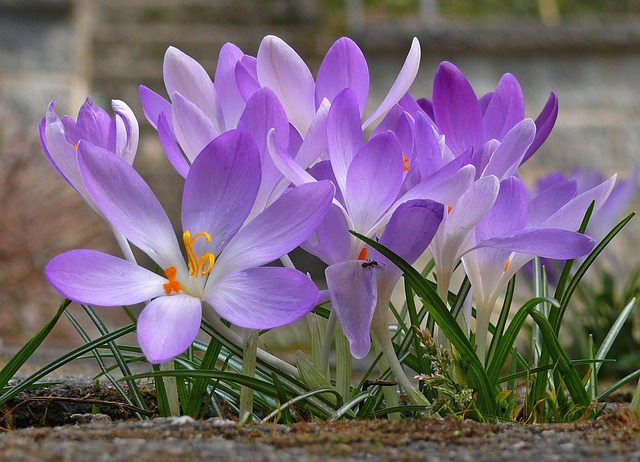
Crocuses also need time to develop strong roots befort the weather cools at the end of the year. Planting in September means they’re ready to give a burst of colour in time for spring. Well-drained soil is important as the roots can rot easily.
Again, crocuses are low maintenance and shouldn’t need any watering during autumn and winter unless it’s unusually dry. No special care is needed.
Hyacinths
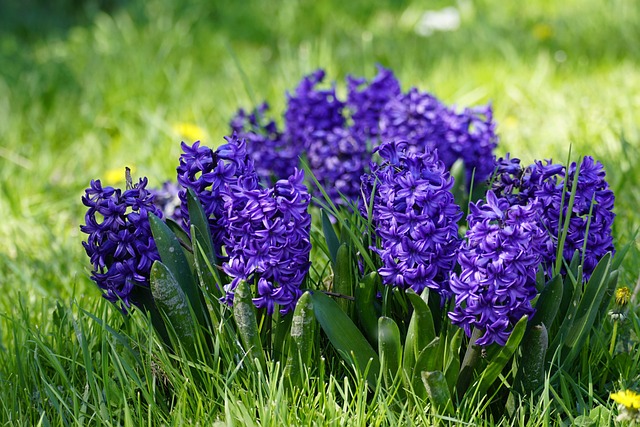
Just like with the other two plants, planting hyacinths in September allows them to establish roots before the cold sets in. A strong root system ensures a fuller, longer-lasting bloom and hyacinths benefit from a cold period before flowering in the spring.
Make sure to water them well straight after planting to help the soil to settle, and leave over autumn and winter. The usual amount of rainfall at this time of year should be enough to maintain them.