


Skincare starts with a rethinking of fabrics as our ‘second skin’
Want to take better care of your skin? Surcare shows how its dermatologically-approved laundry products are the step many of us may have been missing
Skincare is something that most of us visualise as beginning in the bathroom mirror.
Part of that familiar routine of cleansing and moisturising at the start and end of every day.
But the reality is quite different and Surcare household supplies (@surcareuk) has a fresh take entirely.
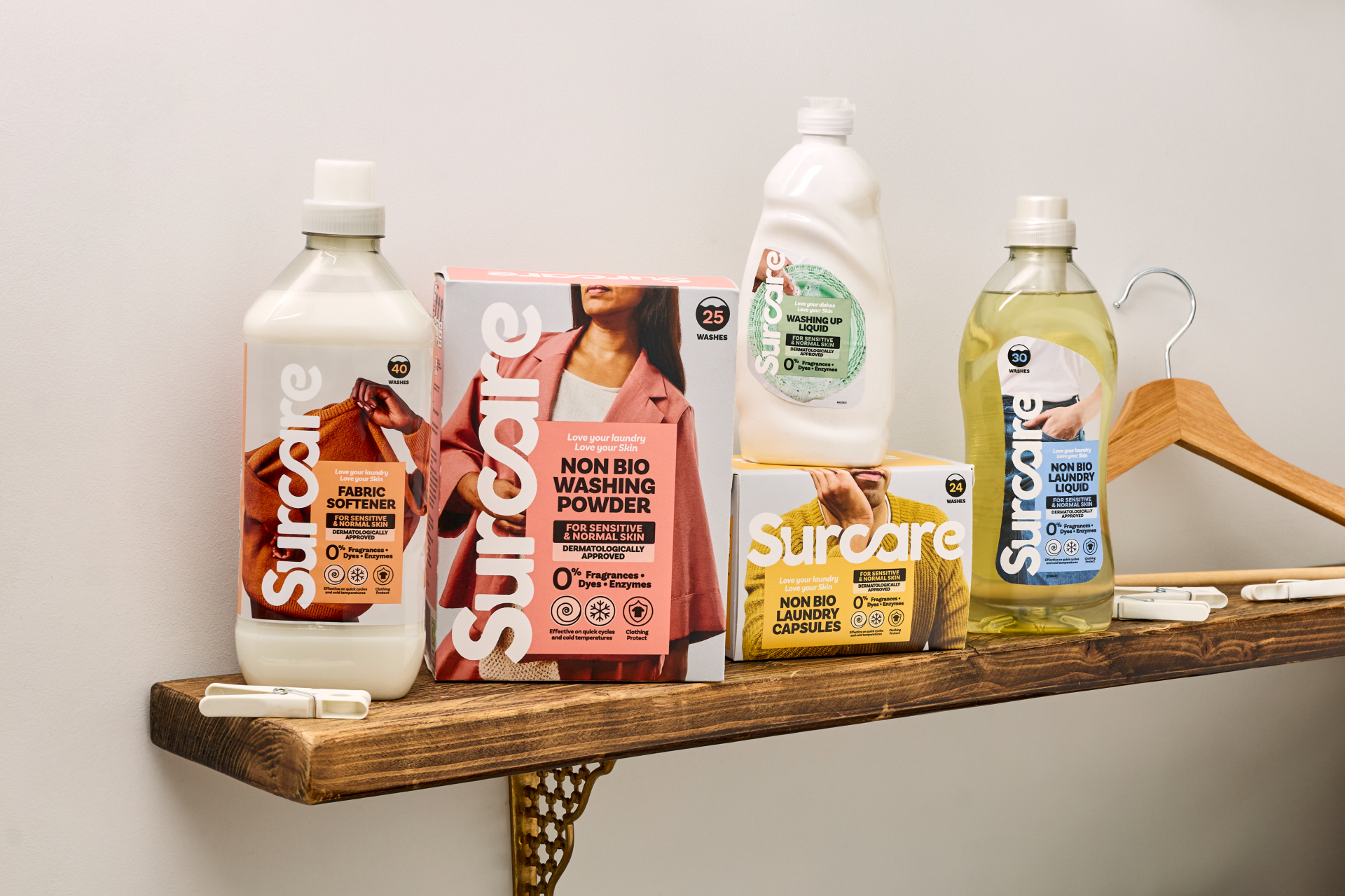
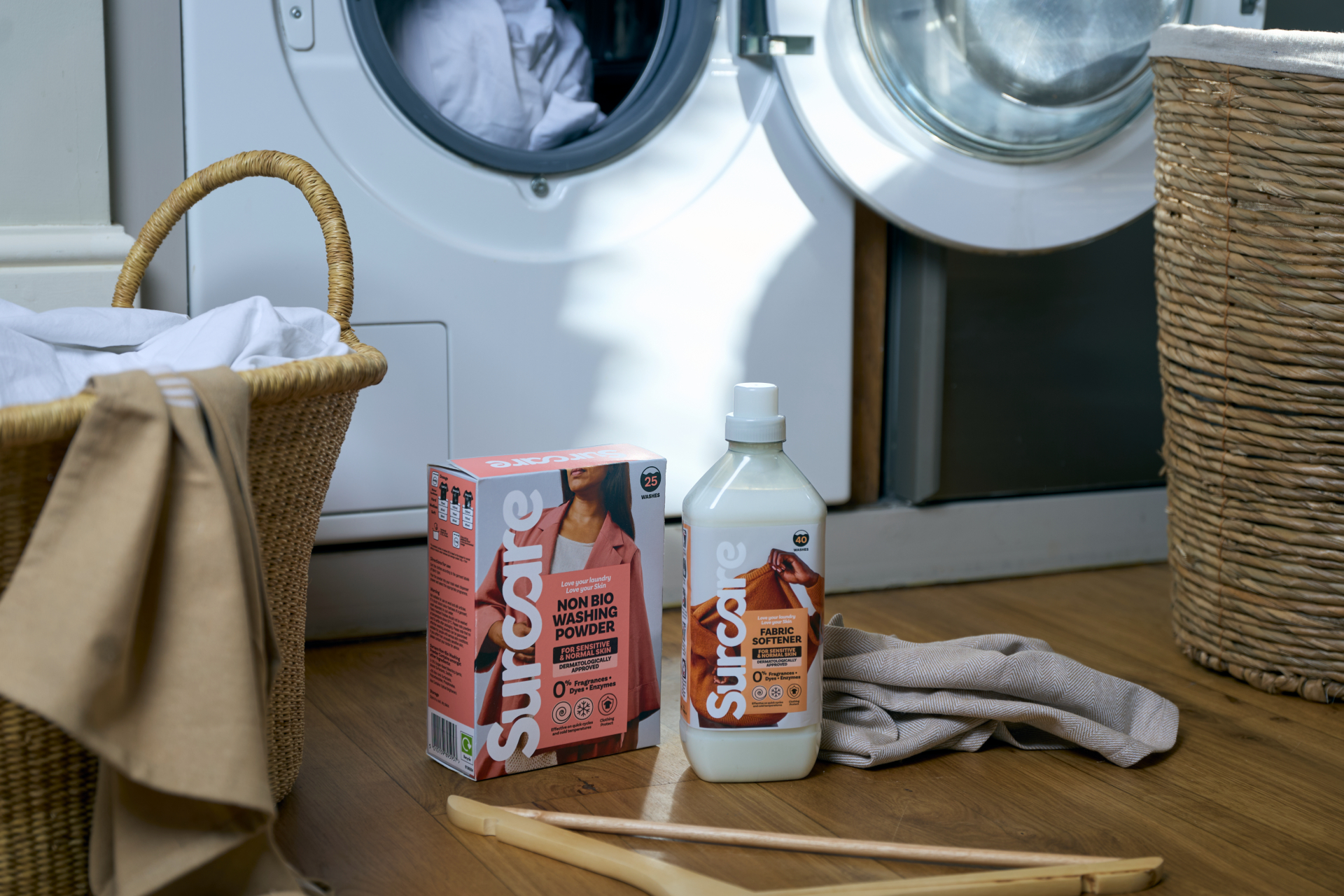
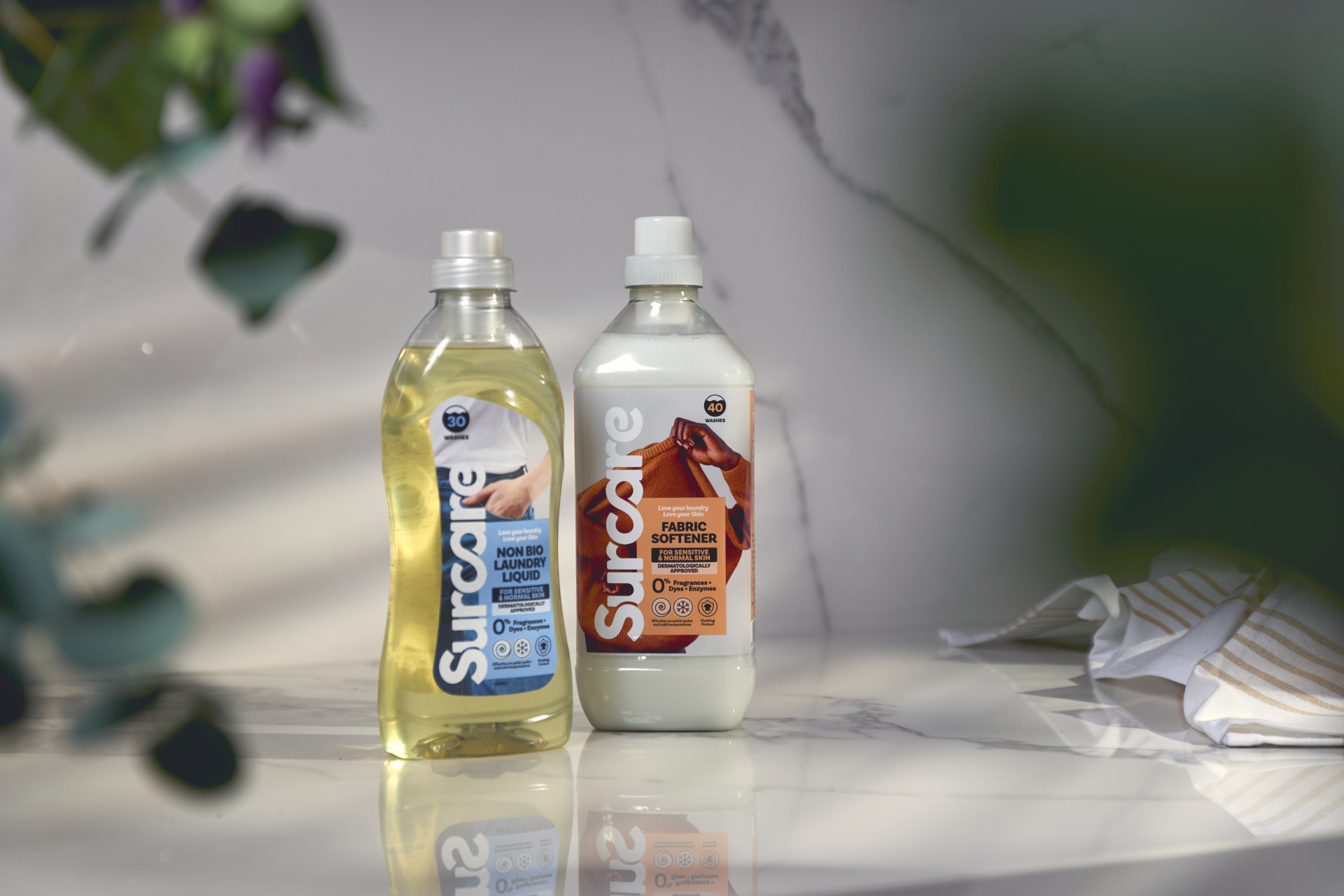
Its products are free from fragrances, dyes and enzymes and are dermatologically approved.
With this in mind, Surcare advises that it’s our fabrics which, as our ‘second skin’, determine how healthy and glowing we really are.
Skincare begins with our ‘second skin’
It’s not something we often think about, yet skin is constantly responding to its surroundings.
Heat, cold, friction and moisture all play a part.
When you consider how many hours we spend in close contact with fabrics – clothes, soft furnishings, bedding – the connection starts to make sense.
Sleep alone takes around a third of a day and when you factor in clothing, loungewear, gym kit and towels, you realise that fabrics are almost always touching your skin.
These materials, whatever they may be, sit against the body for long stretches, particularly in warm or enclosed areas, creating a relationship that is easy to overlook but is worth noticing.
Rethinking laundry as part of a skincare routine
This is where laundry starts to matter in a different way.
Most of us see it simply as a household chore, something to tick off the list.
But when fabrics are washed, they don’t just come out clean.
They can also hold on to tiny traces of whatever was used to wash them.
Ingredients commonly found in laundry products such as fragrance, dyes and enzymes can remain in fibres even after rinsing, becoming part of the skin’s everyday environment.
Alongside this, the way we think about skincare is evolving.
Social media has opened up conversations about ingredients, routines and skin health and many people feel more informed than ever before.
From viral routines to ingredient deep-dives, skincare has become part of everyday culture.
Less is often more and there is now a growing understanding that skin doesn’t always need layering with products. Instead, we should be paying attention to the everyday factors that quietly influence it.
This shift in thinking has driven the rise of what is often called ‘skinimalism’. Instead of complex, multi-step routines, more people are focusing on protecting the skin barrier and reducing unnecessary irritation.
Increasingly, this is extending beyond what we apply directly onto our skin and more into the environment in which our skin lives, including the fabrics we wear and sleep in every day.
Simple, consistent routines are key and Surcare suggests that laundry is the skincare step that many of us have been missing.
Many people choose their detergent out of habit, guided by scent, price or cleaning power rather than how it feels on freshly laundered fabric against their skin.
Calm, considered rituals can become the new normal
Tying in with a broader shift towards gentler living, many households are now moving away from heavily fragranced products and choosing options that feel calmer and more considered.
When it comes to skin, this means thinking beyond topical skincare and looking at the bigger picture.
Laundry becomes less about simply cleaning and more about caring for the environment that our skin experiences most often.
This is what Surcare’s approach is all about.
Created with skin in mind, its products are free from fragrances, dyes and enzymes and are dermatologically approved.
Its aim is to help reduce unnecessary irritants while still delivering effective cleaning.
It’s not about adding extra steps or complications but about supporting skin comfort through something we already do every day.
Small habits can also help support the connection between fabric and skin.
Changing bedding regularly helps prevent the build-up of everyday residues while rinsing swimwear after a swim helps stop chlorine or salt sitting in fibres.
Even simple seasonal habits such as airing fabrics and giving wardrobes a refresh as the seasons change can help a home feel lighter and more supportive.
Support skin with healthy habits
When you look at skincare in this broader way, it becomes less about adding and more about being mindful of what surrounds you.
The fabrics we live in and use every day play a quiet but consistent role in how our skin feels, shaping comfort over time in subtle ways.
Paying attention to what touches our skin most often and choosing gentler ways to care for those fabrics is a simple step towards supporting skin health as part of everyday living.
Skincare does not begin and end in the bathroom.
It lives in the routines we repeat, the homes we create and the small choices we make without always noticing.
Fabric, in many ways, is our second skin, and caring for it is another way of caring for ourselves.
Love your laundry. Love your skin
Katie Piper OBE agrees.
As Brand and Lifestyle Consultant for Surcare, Katie is championing skin-first laundry care.
“Surcare is doing something genuinely different,” says Katie.
“This isn’t about fronting a brand.
“I am working closely with the brand team to ensure the message is right and truly meaningful.
“People are increasingly aware of what they put on their skin, but laundry is often forgotten in that conversation, even though our skin is in constant contact with clothes, bedding and towels.
“As someone with lived experience of sensitive skin, and as a consumer myself, I’m excited to help Surcare highlight the role laundry plays in everyday skin care in a way that’s honest, credible and practical for real households.
“After all, clothes are our second skin.”

For more information on Surcare’s complete range of cleaning products designed for sensitive skin, visit surcare.co.uk