


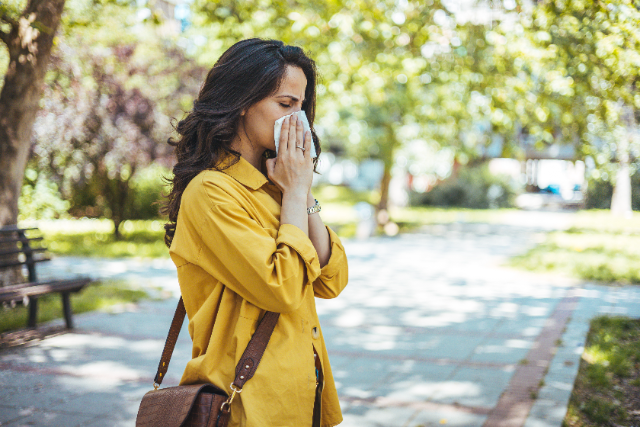
Why beds could be the worst place for hay fever sufferers
Doctor reveals the everyday habits that millions of Brits are doing that make hay fever symptoms worse.
One surprising mistake in particular could turn your bed into a hotspot for pollen exposure, but small changes to routines could significantly reduce symptoms, according to Dr Natasha Fernando, medical director at Medichecks.
Dr Fernando explains: “People often focus on treating hay fever with medication, but overlook how their daily habits are increasing their exposure to pollen, especially in the home and at night.”
How can your bed could make your hay fever worse?
While many people assume relief comes indoors, Dr Fernando warns that your bed can actually be one of the worst places for exposure.
Where pollen clings to our hair, skin and clothing throughout the day, it is then transferred onto pillows and bedding at night. This can in turn lead to prolonged exposure whilst you sleep.
Dr Fernando adds: “If you go to bed without showering, you’re effectively bringing pollen with you. This can worsen symptoms overnight and impact sleep quality.”
What else can make your hay fever worse within the home?
It’s not just our beds within our homes that can have an impact on our hay fever though, there are many other everyday habits that can intensify symptoms.
Showering in the morning instead of at night
Morning showers won’t remove pollen picked up during the day. Showering before bed, especially washing your hair, will prevent pollen from transferring onto your pillow. Therefore helping both yourself and your bed from being exposed.
Drying clothes outside
Fresh air drying may seem ideal at this time of year, but wet clothes are a magnet for pollen. This then is worn against your skin, making symptoms worse.
Dr Fernando explains: “Clothes dried outdoors during high pollen days can carry allergens straight into your home and onto your body.”
Find out more about how you can wash and dry your clothes to avoid aggravating allergies here.
Opening windows at the wrong time
Letting in fresh air can also let pollen in. Levels are typically at their highest in the early morning and evening, so keeping windows closed during these times will help reduce how much pollen enters your home.
Underestimating the impact on sleep
As hay fever sufferers will know, it isn’t just sneezing, congestion and irritation can also significantly disrupt sleep.
This will leave sufferers feeling fatigued and unfocused the next day, and is an overlooked consequence of hay fever – impacting everything from mood to productivity.
Skipping sunglasses outdoors
Eyes are a key entry point for pollen, and exposure can lead to itching, redness and watering.
Dr Fernando advises: “Wearing wraparound sunglasses can act as a barrier, helping to reduce pollen contact with the eyes.”
What else do doctors advise to ease hay fever symptoms?
Dr Fernando recommends a few simple, practical changes to help relieve the symptoms of hay fever.
These include:
- Showering before bed and washing hair on high pollen days
- Changing pillowcases regularly to reduce pollen build-up
- Avoiding drying clothes outside when pollen counts are high
- Keeping windows closed during peak pollen times
- Wearing sunglasses outside to protect eyes
- Monitoring pollen forecasts and planning outdoor activities accordingly
- Considering using a saline nasal rinse to help clear allergens
Dr Fernando explains: “Hay fever can have a real impact on quality of life, but small, practical changes can make a noticeable difference. It’s about reducing your overall exposure, especially in places that you might not expect, like your bedroom or the inside of your home.
READ MORE